Medical Weight Loss Clinic Locations: Find Your Path
Trying to lose weight can feel like a frustrating, lonely battle. You've tried every diet, counted every calorie, and spent hours at the gym, but the scale won't budge, or the weight keeps coming back. If that sounds familiar, you're not alone. Sometimes the issue isn't effort. It's that hormones, metabolism, sleep, insulin resistance, menopause, and other medical factors are working against you.
That's where medically supervised care can change the story. Instead of guessing, you get evaluation, treatment options, and follow-up from a real clinician who can look at the full picture. For some people, that means nutrition and behavior support. For others, it may include medication management, hormone replacement therapy, or treatment for related conditions like thyroid problems or diabetes.
Medical weight loss clinic locations matter more than many people realize. The right clinic isn't just the closest office. It's the place where you can access the kind of care you need, without unnecessary travel, insurance confusion, or a program that only addresses part of the problem. This guide compares practical options for Mississippi residents, with a close look at clinics that offer in-person support and, in some cases, integrated hormone care alongside weight management.
1. Pause Medical
You live in Mississippi, you want in-person medical weight loss care, and you also suspect something else is going on. The weight gain started around menopause, or after your energy dropped, sleep got worse, and your body stopped responding to the same habits that used to work. In that situation, clinic location is only part of the decision. You also need a clinic that can check whether hormones, insulin resistance, or another medical issue is part of the picture.
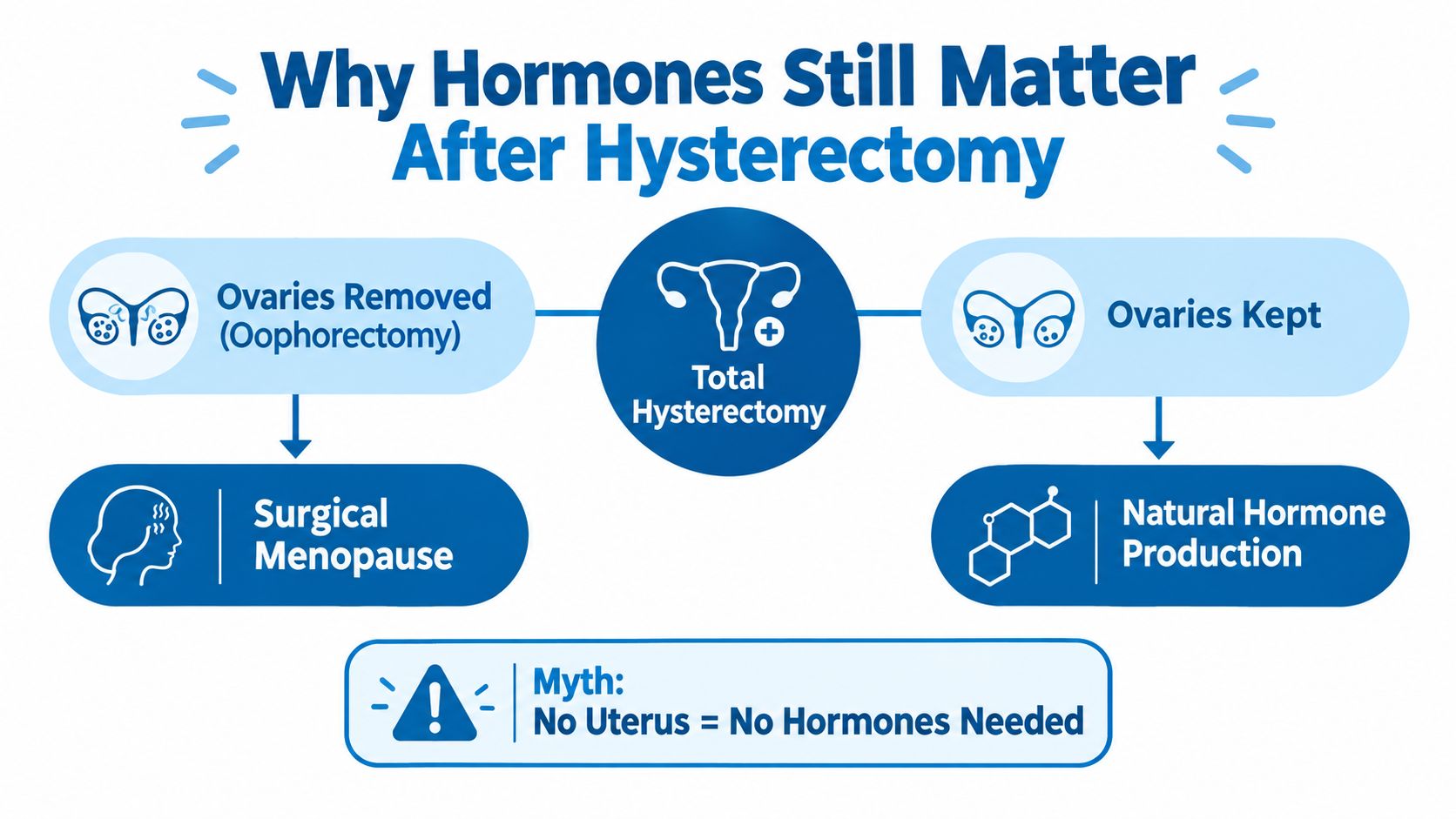
That is where Pause Medical stands apart for Mississippi residents. Instead of offering weight loss as a single service, Pause Medical combines medical weight loss with hormone replacement therapy, menopause care, testosterone therapy, and disease management across multiple Mississippi locations, including Oxford, Meridian, Tupelo, Flowood/Jackson, and Starkville. For many patients, that setup is more practical than traveling to an academic center or signing up with a national franchise that focuses on weight loss alone.
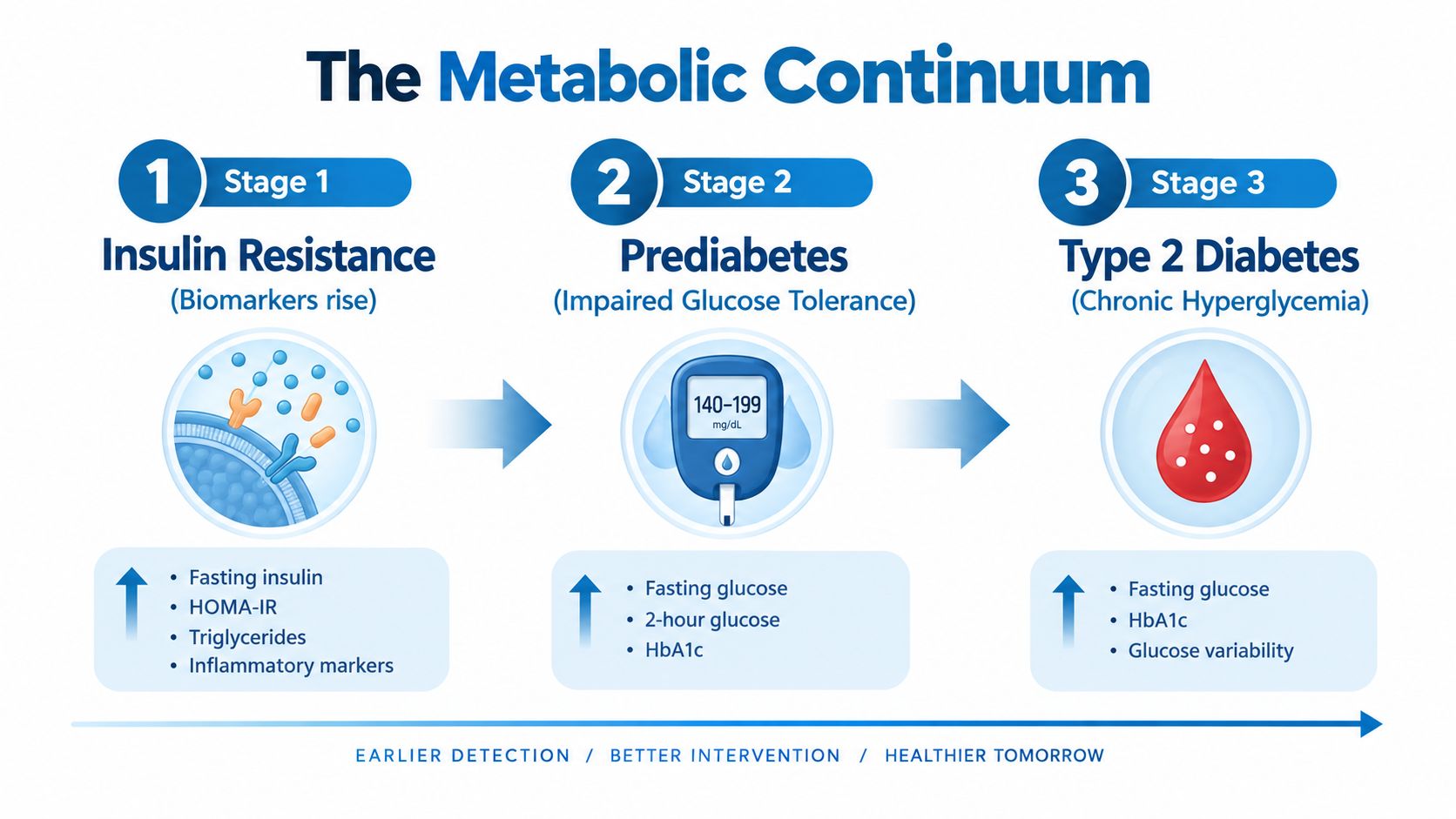
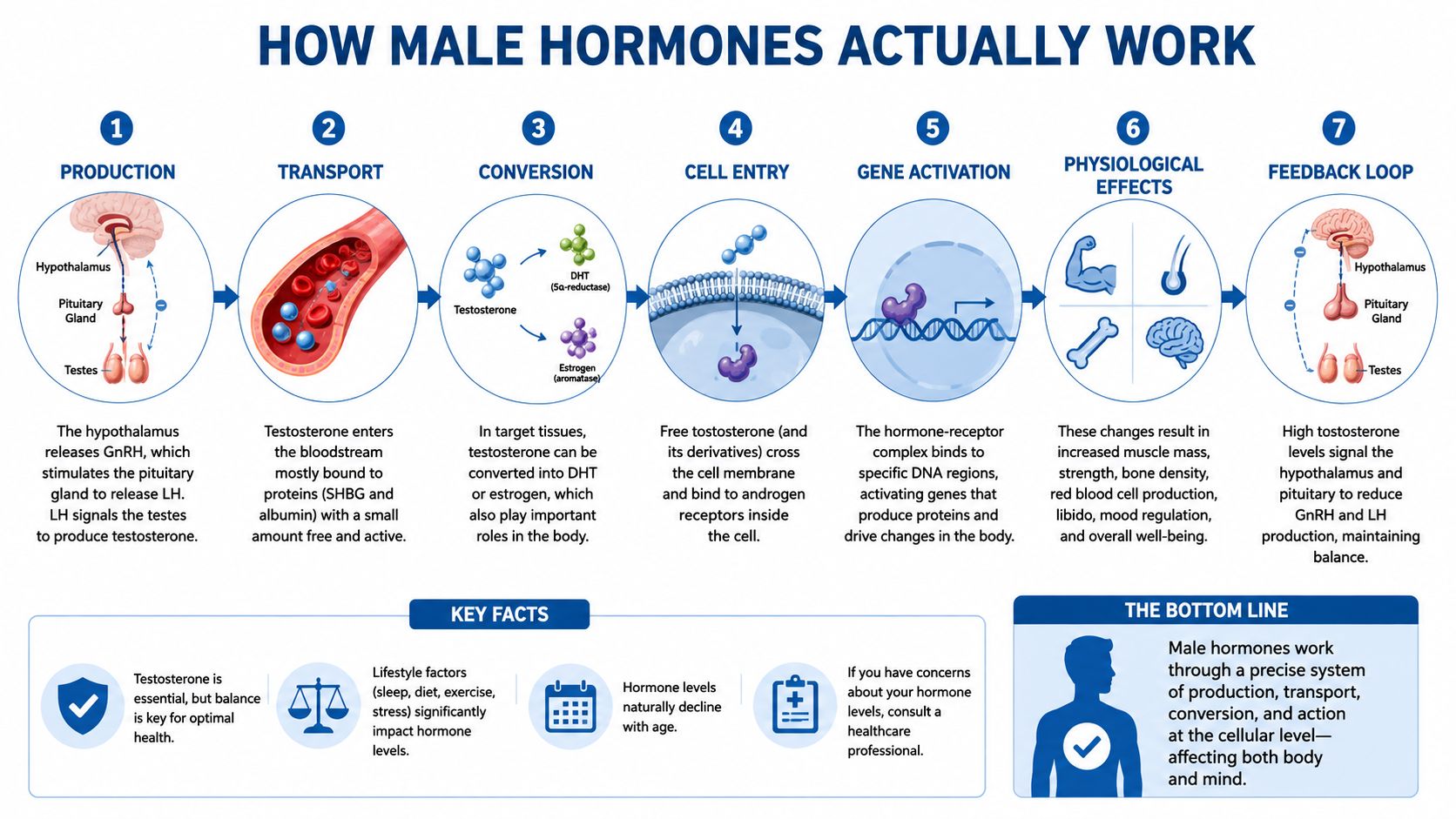
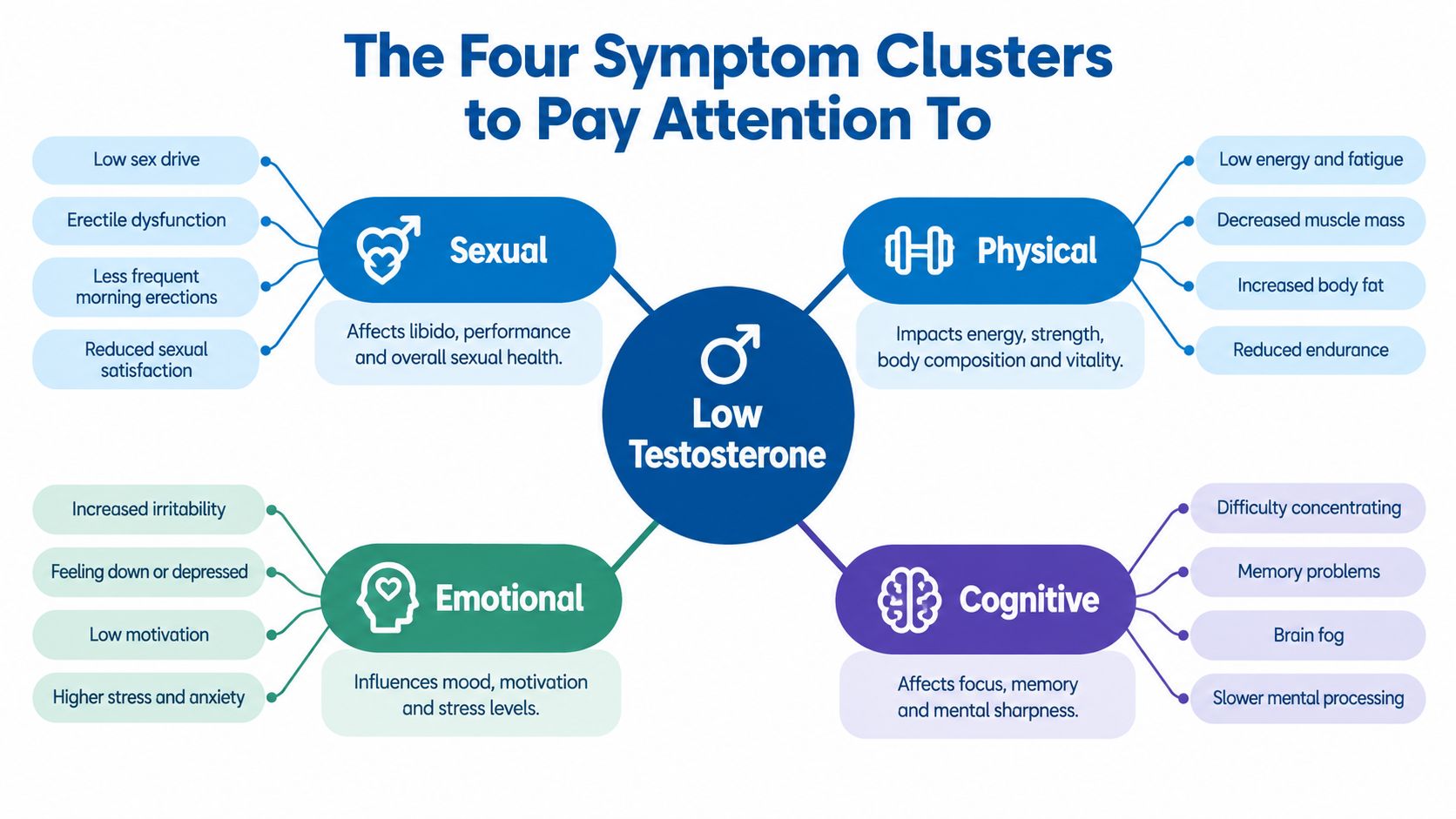
The difference is easier to understand with a simple comparison. If weight gain is the warning light on a car dashboard, diet advice alone addresses the symptom you can see. A clinic that also evaluates hormones and metabolic health is checking under the hood. That matters for patients dealing with hot flashes, low libido, chronic fatigue, brain fog, poor sleep, or other signs that hormone imbalance may be affecting weight gain.
Why it fits Mississippi residents well
Pause Medical's main strength is local access paired with connected care. Mississippi patients often have to choose between convenience and depth. A large regional program may offer strong physician oversight but require more travel, longer scheduling delays, or repeated visits to separate departments. A franchise clinic may be easier to find but may not evaluate menopause symptoms, testosterone deficiency, or broader metabolic concerns in the same setting.
Pause Medical is built for the overlap. Patients can discuss weight changes alongside hormone symptoms, review lab work, and get a treatment plan that reflects both. That may include HRT, testosterone therapy, menopause support, medication management, supplements, and medically supervised weight loss.
Obesity care is still hard to access in many parts of the country. An obesity care access review published in the National Library of Medicine describes major barriers to primary and obesity care, including limited access to high-quality evaluation for metabolic and hormonal issues.
Practical rule: If your weight gain came with hot flashes, sleep disruption, low energy, brain fog, or reduced libido, choose a clinic that can assess both hormones and metabolism, not just prescribe a diet plan.
Pause Medical also uses a self-pay model. Some patients will see that as a limitation. Others prefer it because it can reduce delays tied to insurance approvals and referral steps. If your priority is being seen locally and starting with a clear medical evaluation, that tradeoff may make sense.
What to know before booking
Pause Medical offers a Wellness Lab Panel for $199, which gives patients a starting point for blood work before treatment decisions are made. That can be helpful if you want objective information first, especially if you are unsure whether GLP-1 medication, hormone therapy, or another approach fits your situation. The clinic also emphasizes follow-up and treatment adjustments over time, which is important because medical weight loss is rarely one prescription and done.
If you are comparing options, this guide to the best medical weight loss programs helps explain how medically supervised care differs from quick-turn commercial plans.
A few takeaways matter most:
- Integrated services: Weight loss treatment, HRT, testosterone therapy, menopause care, supplements, and medication management are available in one clinical setting.
- Statewide in-person access: Mississippi patients can choose a nearby office instead of relying only on virtual care or traveling out of state.
- Useful for mixed symptoms: It may be a strong fit if weight gain overlaps with fatigue, sleep problems, low libido, or menopausal changes.
- Clear starting point: The lab panel gives patients baseline information before treatment is adjusted.
- Self-pay model: Ask about total costs up front so you can compare it fairly with insurance-based hospital programs.
For Mississippi residents, Pause Medical is the clearest example on this list of a clinic built around real-world access. You can get face-to-face care in state, and you can address weight concerns alongside hormone health instead of treating them as separate problems.
2. University of Mississippi Medical Center Adult Medical Weight Management

UMMC is the strongest academic medical center option inside Mississippi. Its Adult Medical Weight Management program is physician-led and non-surgical, with individualized plans that can include nutrition counseling, physical activity guidance, behavior support, and medication management when appropriate. You can review the program at UMMC Adult Medical Weight Management.
For patients who want care within a large health system, UMMC offers a familiar model. That can be reassuring if you also need coordinated specialty referrals or ongoing management of diabetes, thyroid disease, or other metabolic concerns.
Where UMMC helps most
Mississippi already has a distributed network of medical weight loss care. The state includes hubs such as Tupelo, Jackson/Flowood, and Hattiesburg, with examples including North Mississippi Health Services in Tupelo, the University of Mississippi Medical Center on Flowood Drive, and Hattiesburg Clinic at Liberty Junction on Highway 98 West ( Mississippi medical weight loss locations overview). For central Mississippi residents, UMMC is one of the clearest in-state choices.
Its biggest strength is depth. Academic centers tend to be a good fit when a patient's weight gain is tied to several conditions at once, or when they want physician-led oversight in a hospital-affiliated setting.
Patients who suspect hormone issues should remember that weight gain isn't always just about calories. This overview of hormone imbalance and weight gain signs and solutions can help you know what to ask during a first visit.
Best fit and tradeoffs
UMMC is a practical option if insurance coverage matters to you and you prefer care in a major health system. The tradeoff is that large hospital-based programs can feel more structured and less flexible than a private clinic model. New-patient demand may also affect how quickly you can get started.
Choose UMMC if you want specialist support, established referral pathways, and in-state academic medicine. If you want faster scheduling, self-pay simplicity, or HRT and weight loss under one roof, another option may fit better.
3. Ochsner Health Comprehensive Weight Loss

Ochsner is a regional option worth considering for Mississippi Gulf Coast residents who are open to travel. Its Comprehensive Weight Loss program combines non-surgical medical weight management with access to bariatric services, nutrition support, exercise guidance, and broader system resources.
This isn't the easiest option for everyone in Mississippi. But for patients near the coast, Ochsner may offer a useful blend of in-person care and specialty backup within a large Gulf South network.
Why some Mississippi patients choose Ochsner
One appeal is breadth. Patients can enter through non-surgical weight management and still remain in a system that also handles related chronic disease care. Ochsner's digital medicine services for conditions like hypertension and diabetes may complement weight management for patients with multiple health concerns.
GLP-1 medications often come up in these programs. They aren't for everyone, and eligibility matters. FDA-approved GLP-1 receptor agonists for weight loss, such as semaglutide, are approved for people with a BMI of 30 or higher, or a BMI of 27 or higher with at least one weight-related comorbidity such as hypertension or type 2 diabetes (GLP-1 eligibility explanation). If you're trying to understand what those medications do, this breakdown of how semaglutide works is helpful.
Best fit and tradeoffs
Ochsner makes the most sense for Mississippi residents who already use the system, live close enough to make travel realistic, or want access to both medical and surgical pathways in one network.
A few practical considerations:
- Regional reach: Helpful for Gulf Coast patients willing to drive.
- Integrated options: Non-surgical and surgical pathways live within one system.
- Subspecialty access: Good fit if diabetes, blood pressure, or other conditions complicate weight loss.
- Travel burden: Less practical for patients in north or central Mississippi.
- Insurance complexity: Costs and coverage can vary by plan and site.
If your priority is staying in Mississippi with local follow-up, Ochsner may be less convenient than a statewide in-person Mississippi clinic.
4. Vanderbilt Health Medical Weight Loss Program

For residents in north Mississippi, Vanderbilt can be a realistic academic option. The Vanderbilt Health Medical Weight Loss Program emphasizes physician-supervised treatment, nutrition therapy, behavior change, activity counseling, and anti-obesity medications when indicated.
Vanderbilt's draw is its reputation and specialty depth. Patients with more complex medical histories often feel comfortable entering care through a tertiary center with broad internal resources.
Why Vanderbilt may be worth the drive
Not every patient needs academic medicine. Some do. If you've had years of weight cycling, multiple chronic conditions, or previous treatment attempts that didn't work, a structured program with specialist backup can be valuable.
Vanderbilt is better suited to people in the northern part of the state who can reasonably travel for visits. It's less appealing if you want short drive times, quick scheduling, or local in-person follow-up across Mississippi.
Sustainable weight loss usually works best when a program addresses eating patterns, activity, medications, and medical drivers at the same time.
That's also why patient education matters. If you're comparing clinic models, this guide on how to lose weight safely is a good reminder that the best plan isn't the most aggressive one. It's the one you can safely continue with proper oversight.
Best fit and tradeoffs
Vanderbilt is a strong option if you want:
- Academic oversight: A hospital-based team with experience in complex cases.
- Long-term structure: Programs designed for ongoing management, not quick intervention.
- Specialty access: Easier referral into other services when needed.
The limitations are practical. Travel time can add friction. Large academic centers also often have demand pressure, which may affect how quickly new patients can start. For many Mississippians, convenience still matters enough to outweigh prestige.
5. Cleveland Clinic Medical Weight Management

Cleveland Clinic offers a nationally known medical weight management model. Its Medical Weight Management program combines diet, exercise, behavior therapy, and pharmacotherapy, with access to endoscopic and surgical care when appropriate.
For Mississippi residents, though, this is less about convenience and more about comparison. Cleveland Clinic shows what a highly structured academic system can provide, but it usually requires significant travel.
Where Cleveland Clinic stands out
This type of program can appeal to patients who want a formal multidisciplinary structure with frequent follow-up and access to the full continuum of obesity care. It's especially useful as a benchmark when you're comparing what smaller regional programs do, and don't, offer.
Hormones are another important comparison point. Many patients, especially women in midlife, don't realize how closely weight gain can overlap with menopause symptoms. This resource on menopause and weight gain solutions helps explain why a pure diet-and-exercise framework sometimes misses the underlying issue.
Best fit and tradeoffs
Cleveland Clinic may make sense if you already spend time in Ohio or Florida, need a major academic center, or want a highly structured system. For most Mississippi readers, the drawbacks are obvious:
- Travel required: It isn't a practical local option.
- Cost visibility varies: Self-pay details aren't consistently simple online.
- Visit intensity: Frequent follow-up can be a strength, but also a burden.
Still, it's useful to include on a comparison list because it highlights an important question. Do you need a top-tier national academic system, or do you need accessible, repeated, in-person care close to home? Those aren't always the same thing.
6. Mayo Clinic Health System Weight Management

Mayo Clinic Health System and Mayo Clinic campuses offer medically supervised weight management with a mix of nutrition counseling, behavioral programming, activity planning, medication support, and referral pathways to bariatric care. You can review the program through Mayo Clinic Health System Weight Management.
This is another example of a respected, evidence-based national program that's more useful as a comparison point than as a likely day-to-day choice for most Mississippi residents.
What Mayo brings to the comparison
Mayo's strength is education and integrated specialty medicine. Patients who value extensive support materials, structured lifestyle care, and access to broad expertise often appreciate that environment. Some services vary by site, and access can differ among campuses.
There's also a bigger market context behind why these programs matter. A report on the global medical weight loss clinics market stated that the market was valued at USD 1.05 billion in 2022 and projected to reach USD 1.58 billion, while the U.S. market was estimated at USD 1.17 billion in 2024 and projected to grow at a 4.42% CAGR from 2025 through 2030 (medical weight loss clinics market outlook). In plain language, demand for medically supervised care keeps expanding.
Best fit and tradeoffs
Mayo fits best for patients who are already connected to Mayo locations or who prioritize nationally known systems over local convenience. For Mississippi residents, the practical drawbacks are similar to other out-of-state academic centers.
A great clinic on paper isn't always the right clinic for your weekly life. Travel, scheduling, and follow-up matter just as much as reputation.
If you need repeated in-person visits, Mississippi-based options will usually be more realistic.
7. Medi-Weightloss

Medi-Weightloss is the clearest national franchise comparison on this list. The company's official website highlights a medically supervised model with nutrition plans, body composition tracking, structured follow-up, and medications when appropriate.
Its value is consistency and scale. If you like the idea of a repeatable franchise model with regular support, it's easy to see the appeal.
Why national franchises matter in this category
According to Grand View Research, the standalone segment of the U.S. medical weight loss clinics market held 60.33% of the market in 2024, and the report specifically notes that Medi-Weightloss operates 137 locations across the United States, while Medical Weight Loss Clinic has 16 locations in Michigan ( U.S. medical weight loss clinics market analysis). That helps explain why so many patients begin their search with standalone clinics rather than hospital-based programs.
There's a service trend behind that, too. Future Market Insights projects clinics will hold a 42.7% share of the medically supervised weight loss services market by 2026, with a sector valuation of USD 1.3 billion and an 8.0% CAGR through 2036, while noting that digital scheduling and telehealth integration are becoming more important to retention and patient experience ( medically supervised weight loss services market forecast).
Best fit and tradeoffs
Medi-Weightloss can work well for patients who want:
- A recognizable franchise model: The framework is familiar across locations.
- Frequent support: Regular check-ins are central to the experience.
- A wide network: Broad availability can make relocation or travel simpler.
The tradeoff is variability. Franchise systems can differ by local leadership and local experience. Pricing may also be less transparent up front than some patients would prefer. And for Mississippi residents who also need menopause support, testosterone therapy, or deeper hormone evaluation, a weight-loss-only framework may not be enough.
Comparison of Medical Weight Loss Clinics
A side by side table helps with a practical question Mississippi residents often ask: which option fits real life, not just the brochure? A clinic can look excellent on paper and still be hard to use if it means repeated long drives, academic waitlists, or separate visits for weight loss and hormone care.
The comparison below focuses on access, level of support, and how each program may fit the day to day realities of care.
| Provider | Visit model and care complexity | Time, travel, and cost considerations | What patients can generally expect | Care quality snapshot | Best fit |
|---|---|---|---|---|---|
| Pause Medical | Moderate. Clinician led, in person care with standard lab work and ongoing medication monitoring | Moderate. Self pay model, local Mississippi access, clinic visits and lab fees | Clear short term progress tracking for weight loss, plus evaluation of hormone related symptoms when relevant | ⭐⭐⭐⭐, strong for close HRT and weight loss follow up in one place | Mississippi adults who want in person care without leaving the state, especially if weight concerns overlap with menopause, low testosterone, or fatigue |
| University of Mississippi Medical Center (UMMC) | High. Physician supervised academic program with multiple specialties involved | High. Insurance may help, but scheduling and referral steps can take more time | Structured medical weight management with specialist input for patients who need hospital based care | ⭐⭐⭐⭐, strong academic oversight and referral depth | Mississippi residents who prefer an in state academic center and want insurance based care |
| Ochsner Health | Moderate to high. Medical and surgical pathways across a regional health system | High. Travel may be needed for Mississippi patients, and coverage can vary by plan | Weight loss care that may include medication, lifestyle counseling, and bariatric services depending on location | ⭐⭐⭐⭐, broad service range with system level support | Gulf South patients open to regional travel and interested in both medical and surgical options |
| Vanderbilt Health | High. Long term, team based care with access to tertiary specialists | High. Travel outside Mississippi is likely for many patients | Ongoing monitoring for weight management, especially when other medical issues complicate treatment | ⭐⭐⭐⭐, strong choice for complex cases needing tertiary care | Northern Mississippi residents willing to travel for specialty support and bariatric access |
| Cleveland Clinic | High. Multispecialty program that can involve frequent follow up and advanced referrals | High. Significant travel is likely, with insurance and self pay details varying by program | Weight management care across a full range of medical, endoscopic, and surgical options | ⭐⭐⭐⭐, nationally recognized program with strong multidisciplinary support | Patients willing to travel for a major national center with many specialty resources |
| Mayo Clinic Health System | High. Services vary by campus, with some virtual and referral based options | High. Access depends on site, and travel may still be required | Lifestyle treatment, medication management, and patient education within a large health system | ⭐⭐⭐⭐, highly regarded clinical reputation with location dependent availability | Patients who value specialty coordination and education, and who can work with site specific access |
| Medi-Weightloss | Low to moderate. Franchise model with structured recurring visits | Moderate. Local convenience can be better, but pricing and experience may differ by location | Frequent check ins and straightforward tracking, with results influenced by local clinic execution | ⭐⭐⭐, familiar model with location to location variation | Patients who want regular local support and a standardized clinic format |
For Mississippi readers, one pattern stands out. Academic centers can offer specialist depth, and national brands may bring name recognition, but both often ask for more travel, more coordination, or narrower service lines. Pause Medical stands apart if you want local, in person care that can address weight loss and hormone related symptoms together, which matters when the underlying issue is not neatly limited to one diagnosis.
How to Choose the Right Medical Weight Loss Clinic for You
A Mississippi patient in Jackson, Tupelo, Hattiesburg, or the Gulf Coast can run into the same problem fast. The decision is not only about which clinic sounds impressive. It is about whether care fits your week, your budget, and the symptoms that brought you in.
Weight gain often travels with other concerns. Fatigue, menopause symptoms, low testosterone, insulin resistance, thyroid questions, poor sleep, and medication side effects can all affect the scale. If a clinic treats weight as a stand-alone issue, you may end up piecing care together across several offices. That can slow treatment and make follow-up harder to maintain.
Clinic choice works a lot like choosing the right map for a trip. A large academic center may offer many specialists, but the route can involve referrals, longer waits, and more travel. A franchise clinic may be easier to recognize by name, but services can vary by location. For many Mississippi residents, the practical question is simpler. Can one clinic see you in person, keep follow-up realistic, and evaluate hormone-related symptoms and weight concerns in the same setting?
Four questions can make the comparison clearer.
First, how far are you willing to travel more than once? Weight loss treatment usually involves repeat visits, medication monitoring, and adjustments over time. A clinic that is technically available but difficult to reach can become hard to stick with.
Second, what do you want evaluated at the same visit? GLP-1 medicines, such as the ones often discussed for appetite control and blood sugar support, can help some patients. They are not the whole plan. Some patients also need hormone evaluation, especially during menopause, perimenopause, or andropause, when changes in sleep, energy, body composition, and appetite may overlap.
Third, how do you want the financial side to work? Hospital-based programs, referral centers, and self-pay clinics often handle pricing, insurance, and scheduling differently. The best fit depends on your coverage, your timeline, and how much complexity you are willing to manage.
Fourth, how much coordination do you want to do yourself?
That question matters more than many patients expect.
A referral-based center may be the right choice if you want broad specialty access and do not mind travel to an academic program such as UMMC, Ochsner, Vanderbilt, Cleveland Clinic, or Mayo. A statewide Mississippi option may fit better if your priority is regular in-person care closer to home. Pause Medical is especially relevant for residents who want one place to address weight loss and hormone-related symptoms together, instead of splitting those concerns across separate clinics.
Ask direct questions before you book. Who will evaluate you? What follow-up is done in person? How are medication decisions made? Can the clinic assess issues such as menopause symptoms, low testosterone, or fatigue if those may be affecting weight? A clinic location matters, but the day-to-day care model often matters more.
Choose the clinic you can realistically return to, understand, and trust.
Disclaimer: The information in this article is for educational purposes only and does not constitute medical advice. Always consult with a qualified healthcare provider before beginning any new treatment or weight loss program.
For businesses managing many service areas, this multi-location local SEO guide offers useful perspective on how location visibility shapes patient discovery online.