Natural Relief for Menopause: An Evidence-Based Guide
If you're in Mississippi and menopause has started to interrupt your day, you're probably not looking for a lecture. You want sleep. You want fewer hot flashes. You want your patience, focus, and energy back. Most of all, you want clear advice that doesn't force you to choose between all-natural promises and medication fear.
That confusion is common. One website tells you to buy three supplements. Another says soy helps. Another warns against soy. A friend swears by black cohosh. Someone else tells you hormone replacement therapy is the only thing that works. By the time many women reach a clinic, they're exhausted from sorting through contradictory claims.
Natural relief for menopause can absolutely play a meaningful role. Lifestyle changes, selected food choices, and mind-body therapies can help. Some supplements may help certain women. But "natural" doesn't automatically mean effective, and it doesn't always mean safe. The best care usually isn't natural versus medical. It's integrative , thoughtful, and personalized for the individual.
Understanding the Journey Through Menopause
A typical story goes like this. A woman in Oxford, Meridian, Tupelo, Flowood-Jackson, or Starkville notices that her sleep has changed. Then come the warm surges that leave her throwing off blankets at night. Her periods may still be coming, or they may be getting irregular. Her mood feels less predictable. Her clothes fit differently. She wonders if stress is the problem, if weight gain is the problem, or if she's somehow just "not handling things well."
She's usually handling it just fine. Her hormones are changing, and those changes can affect temperature regulation, sleep quality, body composition, and emotional steadiness.

Why the early stage feels so confusing
Perimenopause often arrives before many women expect it. Symptoms may come and go, which makes them easy to dismiss. One month feels manageable. The next feels like your body changed overnight.
That uncertainty drives a lot of online searching. It also explains why many women start with food changes, better sleep habits, exercise, and supplements before they ever consider medical treatment. That's a reasonable place to begin, especially if your symptoms are mild or you're trying to understand what your body responds to.
Menopause care works best when you stop chasing random tips and start using a plan.
Some women also start by looking more broadly at hormone-related changes, including managing weight, bloating, and periods, because these symptoms often overlap during the transition.
A better frame than natural versus medical
Menopause isn't a test of toughness. It also isn't a condition where every symptom should be treated with a supplement first. The most useful approach is to start with low-risk foundations, evaluate what is and isn't improving, and then decide whether medical support is needed.
If you're still sorting out whether you're in perimenopause or menopause, a practical primer on perimenopause vs menopause symptoms and HRT can help you place your symptoms in context. That distinction matters because treatment decisions often depend on your symptom pattern, cycle history, risk factors, and goals.
Lifestyle Foundations for Managing Symptoms
The first line of natural relief for menopause is rarely found in a bottle. It's found in repeatable daily habits that support thermoregulation, sleep, mood, and metabolic health.

Start with movement, not perfection
Exercise doesn't need to be extreme to matter. Regular physical activity directly reduces hot flash frequency by 20–50% in women who exercise consistently , according to guidance summarizing this outcome. That's one of the more practical numbers in menopause care because it translates into something you can act on right away.
A good starting structure looks like this:
- Walking most days: Brisk walking is often realistic even when energy is low.
- Strength work each week: Resistance training supports body composition and daily function.
- Gentle movement on rough days: Stretching, mobility work, or an easy walk still count.
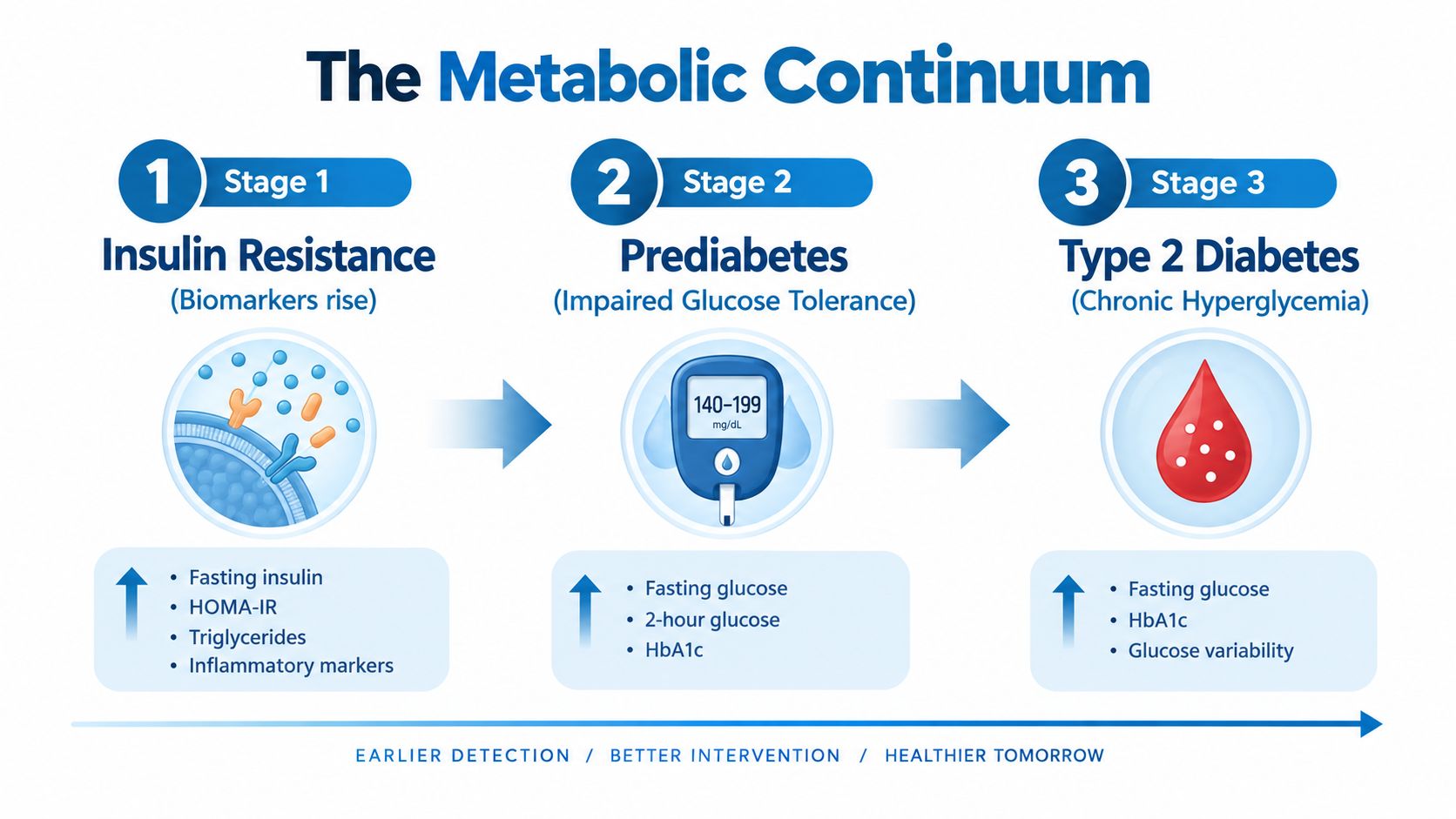
For women who are also noticing stubborn weight gain, this matters beyond hot flashes. Menopause often overlaps with shifts in insulin sensitivity, appetite signals, and body fat distribution. That makes movement a symptom tool and a metabolic tool at the same time.
Use food strategically
Menopause nutrition doesn't need to be trendy. It needs to be steady. Meals built around plants, protein, and fiber tend to support energy and weight management better than the cycle of skipping meals, snacking late, and trying to "be good" the next day.
A useful framework includes:
- Protein at regular meals: This helps with fullness and muscle maintenance.
- Fiber-rich foods: These support digestion and metabolic health.
- Soy foods when appropriate: Whole-food soy may help some women with vasomotor symptoms, which is different from assuming every supplement on the shelf is helpful.
- Trigger awareness: Some women notice more flushing with alcohol, spicy foods, or excess caffeine.
If you're looking for more clinician-guided lifestyle support, this overview of how to balance hormones naturally is a sensible next read.
After nutrition and exercise, stress regulation becomes the next lever.
Protect sleep like a treatment
Many women treat poor sleep as a side effect they just have to tolerate. That's a mistake. Bad sleep amplifies hot flashes, cravings, irritability, and fatigue.
Practical rule: If your nights are fragmented, don't build your whole plan around willpower the next day.
Try a consistent wind-down routine, a cooler bedroom, and regular wake times. If nights are being interrupted by symptoms, that information is clinically useful. It helps determine whether lifestyle measures are enough or whether a broader treatment plan is needed, including medical weight loss support for women whose symptoms and metabolic changes are feeding each other.
Evaluating Supplements for Menopause Relief
When it comes to supplements, menopause advice often goes awry. Supplements are marketed as gentle, natural, and hormone-free, yet many women never get clear guidance on which products have evidence, which ones are mixed, and which ones merely sound persuasive.
What has the best herbal evidence
Black cohosh (Actaea racemosa) is the only herbal treatment that has consistently demonstrated a statistically significant benefit for reducing menopausal hot flushes in research studies, with the German health authorities formally approving a daily dosage of 40 mg for a six-month period , as described in this review of natural remedies for menopause.
That doesn't mean black cohosh is right for everyone. It means it stands apart from many other herbs that are heavily promoted despite weak or mixed data. It also doesn't erase the need to review medications, liver history, product quality, and whether hot flashes are really the main symptom you're trying to treat.
Soy is different from most supplement marketing
Soy is often lumped into the same conversation as "menopause supplements," but it deserves a more careful distinction. Whole soy foods have some evidence for vasomotor symptom relief. That's not the same as saying every soy capsule is effective or necessary.
Some women are also curious about skin, joints, and body composition during menopause. If that's one of your concerns, this article on understanding menopause collagen options gives a useful overview of a category that's popular but often discussed without enough nuance.
Evidence for common natural menopause remedies
| Remedy | Target Symptom(s) | Level of Evidence | Safety Considerations |
|---|---|---|---|
| Black cohosh | Hot flashes, night sweats | Best herbal evidence among common botanicals | Use caution with product quality and medication review |
| Soy foods / soy isoflavones | Hot flashes, sometimes vaginal dryness | Moderate evidence, but not a blanket answer for every woman | Consider personal history, medication interactions, and whether you're using food or supplements |
| Red clover | Hot flashes | Mixed or limited benefit | Product quality and dosing vary |
| Evening primrose oil | Menopause symptoms broadly marketed | Limited support | "Natural" doesn't guarantee safety |
| Mixed menopause blends | Multiple symptoms | Hard to evaluate because ingredients vary | Multi-ingredient formulas make side effects and effectiveness harder to assess |
A lot of women assume a longer ingredient list means a stronger product. Usually, it just makes the product harder to evaluate.
The safest supplement is often the one you can clearly identify, dose consistently, and review with a clinician who knows your medications and medical history.
That matters because the supplement industry isn't built around the same standards patients expect from prescription treatment. If you want a clinician-oriented overview of supplements, focus on resources that separate symptom goals, product quality, and safety screening.
The Proven Power of Mind-Body Therapies
Menopause symptoms don't only live in the ovaries. They also involve the brain, the autonomic nervous system, sleep circuits, and stress response. That's why mind-body care can be legitimate medicine, not just "self-care."
Hypnosis has the strongest support
Clinical evidence indicates that at-home hypnosis, utilizing a daily 20-minute audio protocol inducing relaxation and cooling, produces a clinically significant reduction in hot flash frequency and severity , according to this review of mind-body interventions for vasomotor symptoms.
That finding matters because it gives women a non-drug option with a defined structure. It isn't vague meditation advice. It is a repeatable protocol that appears to help by calming the stress response and lowering the tendency toward symptom escalation.

Where these therapies fit in real life
Mind-body strategies are especially useful for women whose symptoms worsen under stress, whose nights become a cycle of overheating and anxiety, or whose bodies feel stuck in a constant "on" state. That doesn't mean every technique works equally well for every symptom. It means the nervous system is part of the picture.
Options often included in an integrative plan are:
- At-home hypnosis protocols: Structured, symptom-focused practice.
- Mindfulness or breathing work: Helpful for symptom distress and reactivity.
- Sleep-focused behavioral therapy: Especially useful when insomnia becomes its own problem.
If your stress system is running hot alongside menopause symptoms, reading about how to reduce cortisol levels can help you connect the dots between stress physiology and symptom intensity.
When to Partner with a Medical Expert
Natural measures make sense as a starting point. They shouldn't become a trap. If symptoms are disrupting work, relationships, exercise, sleep, or sexual health, it's time for a proper medical evaluation.
Red flags that should move you beyond self-treatment
Natural relief for menopause has limits. Those limits show up quickly when symptoms are severe, when supplements create side effects, or when several issues are stacking on top of each other, such as hot flashes, fatigue, weight gain, low libido, and poor sleep.
Look for help if any of these apply:
- Your symptoms are running your schedule: You plan meetings, errands, or sleep around flushing and exhaustion.
- You've tried reasonable lifestyle changes without enough relief: Good habits matter, but they can't always overcome significant hormone deficiency.
- You take medications or have chronic conditions: Supplement interactions and symptom overlap need real review.
- You aren't sure what you're treating: Thyroid problems, mood disorders, sleep disorders, and metabolic issues can overlap with menopause.
Why medical oversight matters
Major health authorities warn that scientific evidence for most herbal remedies is lacking, and many natural products have unguaranteed quality, purity, and ingredients that can cause serious side effects or interact with medications , as discussed in this summary on natural relief for menopause.
That's the part many blogs skip. "Natural" is a marketing term before it's a medical one. A board-certified clinician looks at the full picture, including symptom pattern, cancer history, cardiovascular risk, liver history, thyroid status, medications, weight changes, and treatment goals.
If a remedy changes hormones, affects the nervous system, or interacts with medications, it deserves the same seriousness as any other treatment decision.
For many women, that discussion includes hormone replacement therapy , including bioidentical hormones , especially when vasomotor symptoms, sleep disruption, mood changes, vaginal symptoms, or quality-of-life decline are significant. In the right patient, medically supervised HRT can be the safest and most effective option because it addresses the hormone deficiency driving the problem rather than asking lifestyle measures to do all the work.
If you're unsure where to start, this guide on what doctor treats hormone imbalance helps clarify who can evaluate symptoms thoroughly. The right plan may include natural strategies, medication management, HRT, or a combined approach. For women also struggling with metabolic changes, medical weight loss and GLP-1 weight loss treatment may be part of the same conversation.
Your Menopause Relief Questions Answered
Can natural remedies completely replace HRT
Sometimes, but not reliably. Women with mild symptoms may do well with lifestyle changes, soy foods, and mind-body therapies. Women with more disruptive symptoms often need a broader plan. If your sleep, work, or daily function is suffering, don't assume you have to keep experimenting on your own.
Is soy helpful for hot flashes
It can be for some women. Dietary intervention with 40–50g of soy isoflavones daily, equivalent to 1 cup soy milk or ½ block tofu, reduces hot flash frequency in post-menopausal women by approximately 37% , based on this published review of soy isoflavones and menopause. At the same time, the Menopause Society's position statement notes that no dietary supplement has been identified as more effective than a placebo for hot flashes, which is exactly why context matters.
How do I know if a menopause supplement is safe
Don't judge safety by branding, influencer recommendations, or the word "natural." Choose products with simple ingredient lists, avoid stacking multiple blends at once, and review them with a clinician if you take prescription medications or have thyroid, liver, metabolic, or hormone-sensitive conditions.
Some women also browse broader wellness products while trying to sort through symptom support. A curated collection like menopause perimenopause support can show you how wide the marketplace has become, but it shouldn't replace individualized medical review.
What if weight gain is one of my biggest menopause symptoms
Then your plan shouldn't focus on hot flashes alone. Menopause-related weight gain can be tied to sleep loss, appetite changes, lower muscle mass, reduced activity, and hormone shifts. In that situation, combining symptom treatment with medical weight loss, metabolic screening, and medication management often works better than chasing one supplement after another.
What is the first step to creating a personalized plan
Start with a medical consultation that reviews your symptoms, cycle history, medications, goals, and risk factors. That's the point where treatment becomes organized instead of reactive.
Medical disclaimer: This article is for educational purposes only and isn't a substitute for personal medical advice, diagnosis, or treatment. Menopause symptoms can overlap with thyroid disease, metabolic syndrome, diabetes, sleep disorders, depression, and other conditions. Always discuss supplements, hormone replacement therapy, testosterone therapy, GLP-1 weight loss medications, and medication changes with a qualified clinician licensed to care for you in Mississippi.
If you're ready for a clearer plan, Pause Medical offers Mississippi patients board-certified, in-person care for menopause, hormone replacement therapy, bioidentical hormones, medical weight loss, GLP-1 weight loss, testosterone therapy, and medication management. The goal is simple. Identify what's driving your symptoms, build a personalized treatment plan, and help you feel better safely. Schedule a consultation to discuss your symptoms, your options, and the mix of lifestyle changes and medical care that makes sense for you.