Low Progesterone Symptoms: A Guide to Restoring Balance
Some people find themselves dreading the second half of every month without fully knowing why. They sleep lightly, wake up tense, feel snappy with people they love, and start wondering whether stress, age, or poor self-control is to blame. Then their period starts, and the fog lifts just enough to make the pattern easy to miss.
That pattern matters. Low progesterone symptoms often show up after ovulation and ease when menstruation begins. For many patients, that timing is the clue that turns a vague complaint into something that can be evaluated and treated.
Feeling Off and Unsure Why You Are Here
Progesterone is often described as a reproductive hormone, but that label is too small. In day-to-day life, it acts more like part of the body's internal buffering system. It helps steady mood, supports sleep, and helps the body handle the normal stress of the menstrual cycle. When progesterone drops too low, many people don't feel “hormonal” in an obvious way. They just feel unlike themselves.
That can look like anxiety that seems to come out of nowhere, poor sleep in the days before a period, heavier bleeding than usual, or a sense that your body is working against you. Some people notice skin changes too. If breakouts are part of the picture, Neutralyze's guide to hormonal acne gives a helpful overview of how hormone shifts can show up on the skin.
Why this can feel so confusing
Low progesterone symptoms don't always announce themselves with one dramatic sign. They often arrive as a cluster:
- Mood changes that worsen in the luteal phase
- Restless sleep or middle-of-the-night waking
- Cycle changes such as spotting before a period
- Physical discomfort like bloating, breast tenderness, or fatigue
Many people dismiss these symptoms because each one, on its own, sounds common. Put together, especially when they repeat in the same window of the cycle, they form a clearer picture of hormonal imbalance. If that broader topic sounds familiar, this overview of symptoms of hormonal imbalance can help connect the dots.
Low progesterone isn't “all in your head.” When symptoms show up in a repeating cycle, your body may be giving you a very organized message.
The good news is that low progesterone is something clinicians can investigate. You don't have to guess whether this is stress, perimenopause, thyroid trouble, or a hormone pattern that deserves targeted care.
Recognizing Low Progesterone Symptoms by Life Stage
Symptoms don't look exactly the same at every age. A person in their reproductive years may notice short cycles and spotting. Someone in perimenopause may be more focused on sleep disruption, mood shifts, and the sense that their metabolism has changed.
To make that easier to sort through, start with the broad pattern below.

During the reproductive years
For menstruating adults, low progesterone symptoms often track closely with the luteal phase, which is the second half of the cycle after ovulation. This is when progesterone should rise enough to stabilize the uterine lining and support the nervous system. When that rise is weak, patients commonly report premenstrual spotting, shorter cycles, heavier bleeding, and sharper PMS symptoms.
A short luteal phase can be a major clue. Low progesterone can also show up clinically as luteal phase defect, with a luteal phase duration of less than 10 days, along with spotting and shortened cycles, according to this review on luteal progesterone and menstrual changes.
During perimenopause
Perimenopause is where many patients get lost. They know their hormones are changing, but they don't know which symptoms belong to estrogen, which might reflect progesterone decline, and which need testing instead of guesswork.
The overlap holds particular significance. Sleep problems, mood shifts, and irregular bleeding may all happen together. If you're trying to sort out what belongs to this transition, this guide on perimenopause vs menopause symptoms and HRT is a useful next read.
Here is one of the clearest symptom snapshots available: nearly half of all women globally experience low progesterone , and clinical data indicates that 52.5% experience anxiety symptoms, 35% report depression, 51.6% report sleep problems like frequent nighttime awakenings, and about 40% report cognitive issues including brain fog, as outlined in Klarity Health's review of progesterone deficiency signs and natural support.
Practical rule: If anxiety, poor sleep, irritability, or brain fog reliably appear after ovulation and fade when your period starts, that timing is clinically useful.
A short video can help make these symptom patterns easier to picture in real life.
After menopause
After menopause, the monthly cycle is gone, so the symptom pattern is less about timing and more about the downstream effects of long-term low hormone support. Mood shifts can still happen. Sleep can still be affected. Some patients also worry about bone strength, tissue changes, and overall resilience.
A simple way to think about life-stage differences is this:
| Life stage | Common way symptoms show up |
|---|---|
| Reproductive years | Spotting, short cycles, PMS-like mood changes, fertility concerns |
| Perimenopause | Irregular cycles, sleep disruption, mood swings, changing energy |
| Postmenopause | Ongoing sleep and mood concerns, bone and tissue health questions |
The exact mix differs from person to person, but the body often leaves a pattern if you know where to look.
The Hidden Causes Behind Progesterone Decline
A common assumption is that low progesterone means the body “needs more progesterone.” Sometimes that's part of the answer. Often, it isn't the whole answer.
A better analogy is a factory line. Progesterone production depends on raw material, timing, and communication between the brain, ovaries, adrenal system, and thyroid. If one station breaks down, the final product drops.

Stress changes the hormone priority list
One of the most useful concepts for patients is the stress connection. Cortisol and progesterone share the precursor pregnenolone , and chronic stress can divert resources toward cortisol production instead of progesterone synthesis. That helps explain why stress management isn't just a wellness extra. In some cases, it's part of treatment, as discussed in Ella Dx's explanation of progesterone deficiency and root causes.
This is also why some patients feel stuck. They try supplements or hormone products, but their body is still living in a biochemical alarm state. If cortisol regulation is part of your story, this article on how to reduce cortisol levels can add practical context.
Ovulation problems are often upstream
Progesterone rises after ovulation. So if ovulation isn't happening reliably, progesterone won't rise the way it should. That means the core issue may be anovulation , not a simple isolated deficiency.
Untreated thyroid dysfunction can interfere with ovulation. Gut inflammation and other systemic stressors can also disrupt the hormonal chain that leads to a healthy luteal phase. In plain language, the body may not be completing the handoff that creates a normal progesterone peak.
If ovulation doesn't happen, progesterone can't do its usual job later in the cycle. That's why treatment focused only on “adding hormone” sometimes falls short.
Aging changes the pattern too
Perimenopause adds another layer. Ovulation becomes less predictable, so progesterone becomes less predictable too. That can create a month-to-month swing where one cycle feels manageable and the next feels chaotic.
A few root-cause themes come up repeatedly in practice:
- Chronic stress that keeps the body prioritizing cortisol
- Ovulatory disruption from thyroid issues or broader metabolic strain
- Perimenopausal transition with less reliable ovulation
- Inflammatory burden that affects how the whole system functions
Patients usually feel relieved when they hear this. It means symptoms may have a reason. It also means the best plan often restores the pathway rather than chasing each symptom one at a time.
How to Get Definitive Answers Through Testing
Testing for low progesterone is straightforward in theory, but timing is everything. A random blood draw can be misleading because progesterone naturally rises after ovulation and then falls before menstruation. If you test on the wrong day, you may get an answer that looks normal or low without reflecting what's really happening.
The key test and when it matters
The most useful lab approach is a mid-luteal progesterone blood test , timed for the part of the cycle when progesterone should be high enough to confirm ovulation and support the uterine lining.
Progesterone levels below 5 ng/mL in the mid-luteal phase are highly suggestive of inadequate ovulation and confirm low progesterone. A gray zone between 5 and 10 ng/mL requires further clinical evaluation , according to this clinical discussion of mid-luteal progesterone thresholds.
That number matters because it helps turn a symptom story into a medical assessment.
What to expect during evaluation
A good workup usually includes more than one lab value. Your clinician may also review:
- Cycle timing so the progesterone test is drawn at the right moment
- Bleeding patterns such as spotting before a period or unusually short cycles
- Ovulation clues from symptoms or cycle tracking
- Other hormones when thyroid, estrogen, or broader endocrine issues may be involved
If you're ready for a formal evaluation, this page on where to get your hormones tested explains what a medically supervised process can look like.
Questions patients often ask
Can one test confirm everything?
Not always. Hormones move through the cycle, so the right test on the wrong day can still confuse the picture.
What if my cycles are irregular?
Your clinician may use your bleeding pattern, ovulation timing, or repeated testing to interpret results more accurately.
Should I rely on symptoms alone?
Symptoms are important, but lab timing gives context. Together, they create a much clearer answer than either one alone.
The goal of testing isn't to collect numbers. It's to match symptoms, timing, and physiology so treatment fits the real problem.
Creating Your Personalized Treatment Plan
Once low progesterone is identified, treatment should match both the symptoms and the reason those symptoms started. That sounds obvious, but many people have only been offered one-size-fits-all advice. A better plan asks two questions at the same time: how do we relieve symptoms now, and what is keeping the hormonal pathway from working well?

Medical treatment can help, but precision matters
For some patients, hormone replacement therapy or bioidentical hormones are appropriate parts of care. Progesterone therapy may help support sleep, cycle stability, and mood symptoms when used under medical supervision. The exact approach depends on whether someone is cycling, perimenopausal, postmenopausal, trying to conceive, or dealing with another hormone issue at the same time.
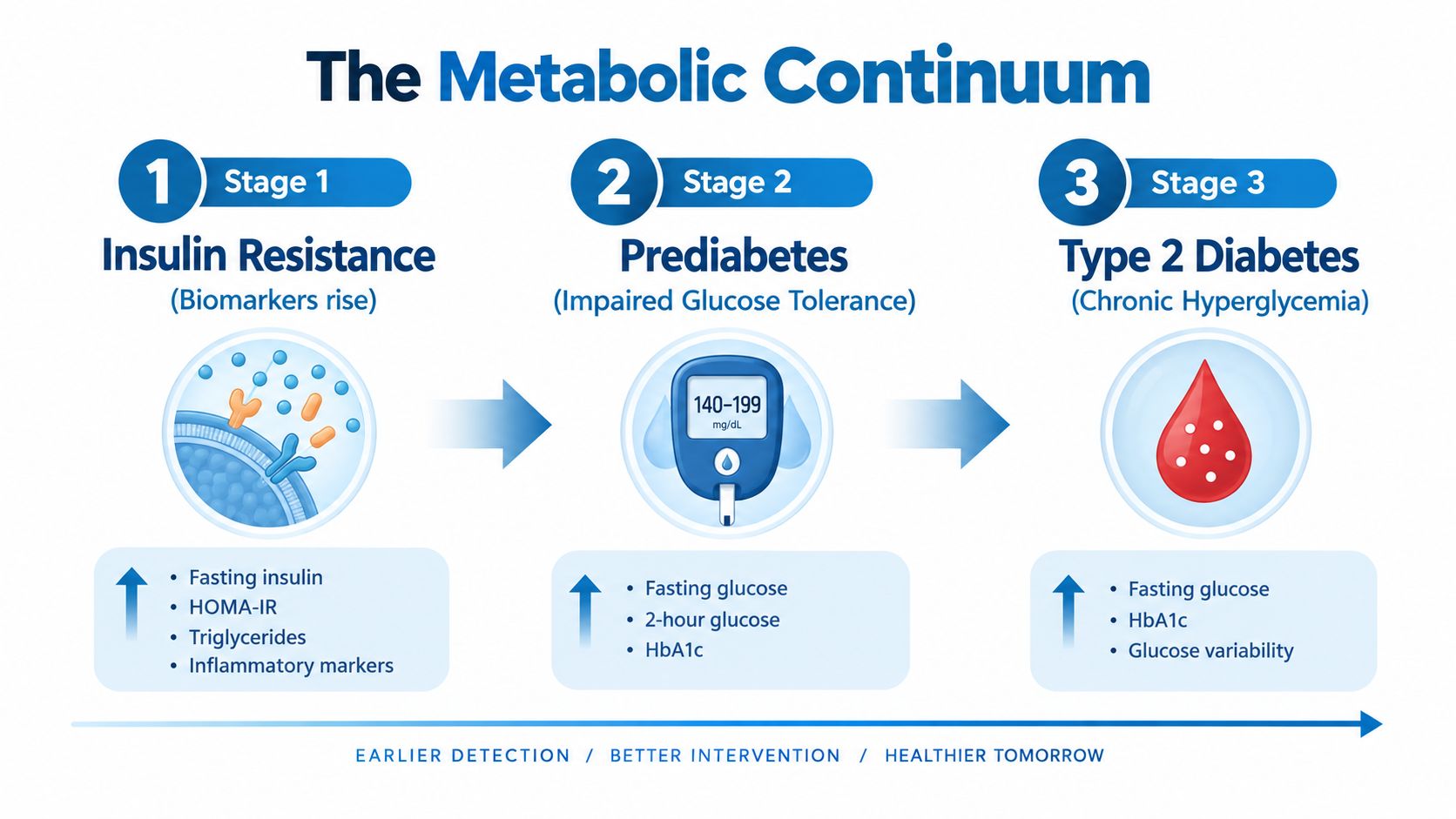
This is especially important when symptoms overlap with medical weight loss , thyroid concerns, or fatigue that has a metabolic component. Declining progesterone mirrors aging-related conditions including osteoporosis, cardiovascular disease, and increased inflammation. Low progesterone also contributes to insulin resistance , which can complicate weight management goals and make “low energy” feel much bigger than simple tiredness, as described in this discussion of progesterone decline and metabolic health.
That means treatment isn't just about periods or fertility. In the right patient, it can be part of a larger plan addressing metabolic health, sleep, inflammation, and long-term function.
Root-cause treatment often improves results
A personalized plan may include direct hormone support, but it should also look upstream.
Some examples:
- If chronic stress is part of the picture , stress reduction isn't optional. Nervous system load affects hormone production.
- If thyroid dysfunction is present , correcting that may improve ovulation and the progesterone pattern that follows.
- If insulin resistance or weight gain are involved , broader disease management and medication management may matter just as much as hormone support.
- If perimenopause is driving the change , an individualized HRT strategy may be more effective than trying to fix each symptom separately.
Structured planning is highly beneficial. Even outside hormone care, clinicians often use organized frameworks to build and update care plans. For readers curious about how treatment plans are typically mapped out, this resource on how clinicians improve patient care with treatment templates gives a useful look at the logic behind personalized planning.
Supportive habits still matter
Lifestyle care isn't a substitute for medical treatment when symptoms are significant, but it does strengthen the plan. Helpful basics often include:
- Sleep protection with a regular schedule and fewer late-night stimulants
- Stress management through realistic, repeatable practices
- Nutrient-dense meals that support metabolic stability
- Movement that supports insulin sensitivity without pushing the body into more stress
The best treatment plan usually feels less like “take this hormone” and more like “restore the system that helps your body make and use hormones well.”
Your Path to Wellness with Pause Medical in Mississippi
Low progesterone can affect much more than a menstrual cycle. It can interfere with sleep, focus, mood, energy, and daily confidence. It can also drive bleeding changes that deserve medical attention. Low progesterone is a primary driver of menstrual irregularities and a significant risk factor for pregnancy loss. Without sufficient progesterone, the uterine lining cannot develop properly, resulting in abnormal uterine bleeding, irregular or missed periods, and heavy menstrual flow , as summarized in Medical News Today's review of low progesterone symptoms.
For adults in Mississippi, it's worth scheduling a medical visit if symptoms keep repeating, if your periods have become short or unpredictable, or if anxiety, depression, sleep disruption, or fatigue seem tied to the second half of your cycle. If you're in perimenopause, don't assume you just have to tolerate feeling off.

What getting care should feel like
Patients usually want three things. They want a clear explanation, a thoughtful plan, and follow-up that adjusts as their body changes.
At a clinic focused on board-certified medical oversight, hormone replacement therapy, bioidentical hormones , testosterone therapy , disease management, and GLP-1 weight loss support, the process should feel simple:
- Schedule a consultation and bring your symptoms, cycle changes, and questions.
- Meet with a provider for a detailed review of hormone patterns, metabolic health, and possible root causes.
- Receive a personalized plan that may include testing, medication management, lifestyle recommendations, and follow-up.
For Mississippi residents comparing options, why patients choose this model of care offers a closer look at the patient-centered approach.
A few common questions
Do I need to be trying to conceive to get help?
No. Low progesterone symptoms matter even when fertility isn't your goal.
Can this overlap with weight gain and low energy?
Yes. Hormones, metabolism, and stress physiology often intersect.
Is care available only for menopause?
No. Adults of different ages may need help with hormone imbalance, medical weight loss, thyroid-related symptoms, or broader preventive wellness.
This article is for educational purposes only and isn't a diagnosis or personal medical advice. Hormone treatment, HRT, BHRT, medical weight loss medications, and other prescription therapies should be guided by a licensed clinician who can review your history, symptoms, and testing.
If you're in Mississippi and you're tired of guessing why you feel off, Pause Medical offers board-certified, in-person care for hormone imbalance, bioidentical hormone replacement therapy, medical weight loss, GLP-1 weight loss support, testosterone therapy, and medication management. With a personalized, root-cause approach and convenient scheduling, the team helps patients move from confusing symptoms to a clear plan for better sleep, steadier mood, improved metabolic health, and long-term wellness.