How to Define Long Term Health Goals for Lasting Vitality
Approach-oriented behaviors are the foundation of effective long term health goals: adults should aim for 150 minutes of moderate activity each week , or 75 minutes of vigorous activity , with added benefits up to 300 minutes of moderate activity. The most sustainable plan combines consistent actions, measurable health markers, and medical oversight rather than relying on a vague promise to “get healthier.”
You may be starting from a familiar place. January brought a new plan, a strict eating schedule, or a goal to lose weight, but work, family responsibilities, poor sleep, hot flashes, fatigue, or an old diagnosis made the routine difficult to maintain. By spring, you may be blaming yourself even though the core issue was that the goal never accounted for your biology, environment, or access to support.
For Mississippi adults managing menopause, andropause, weight gain, diabetes, thyroid concerns, or other chronic conditions, long term health goals need to be more than inspirational statements. They should connect daily behavior with outcomes such as improved energy, strength, metabolic health, disease prevention, and a better quality of life. A personalized plan may include nutrition and movement, laboratory monitoring, hormone replacement therapy, medical weight loss, or medication management when clinically appropriate.
Why Most Health Resolutions Fade by February
A person can begin January with genuine motivation. They buy vegetables, download a fitness app, promise to avoid favorite foods, and announce a goal to lose weight. Then a stressful week arrives, sleep worsens, and the plan offers no answer for what to do when motivation disappears.
That pattern doesn't mean the person lacks discipline. Broad intentions such as “eat better,” “exercise more,” or “lose weight” describe an outcome without identifying the behavior that creates it. They also ignore barriers such as shift work, caregiving, joint pain, depression, changing hormones, limited food access, and chronic disease.

The problem isn't weak willpower
A large one-year follow-up experiment found that 55% of respondents considered themselves successful at sustaining New Year's resolutions , while approach-oriented goals performed better than avoidance-oriented goals, 58.9% compared with 47.1% . Retention also fell from 77% at one week to 55% at one month, 43% at three months, 40% at six months, and 19% at two years according to the reported evaluation.
An avoidance goal says, “I won't eat sweets.” An approach goal says, “I'll prepare a balanced afternoon snack so I'm less likely to arrive at dinner overly hungry.” The second statement gives you an action, a cue, and a practical way to respond to real life.
Practical rule: Build the behavior you want to repeat, not just the behavior you hope to eliminate.
For someone seeking weight loss accountability and practical support, the first useful question isn't “Why did I fail?” It's “What part of the plan was too vague, too difficult, or unsupported?” That shift replaces shame with problem-solving.
Start with health, not punishment
Physical activity is one of the clearest measurable long term health goals. The World Health Organization's physical-activity guidance recommends weekly moderate or vigorous movement, muscle-strengthening activity on 2 or more days each week , and recognizes that smaller bouts of movement count.
The purpose isn't to earn food or punish your body. Regular movement supports cardiovascular health, strength, function, mood, and the prevention of conditions that develop gradually. A durable plan might begin with walking after selected meals, brief strength sessions, or movement that fits your joints and schedule.
Defining Measurable Objectives That Work
A useful long term health goal has two layers. The first is the direction, such as improving metabolic health or maintaining independence. The second is the behavior and checkpoint that let you act on that direction this week.
Turn a wish into an action
Use this sequence:
- Name the health priority. Choose one main concern, such as low energy, weight-related risk, blood pressure, sleep, strength, or hot flashes.
- Choose an approach behavior. Replace “lose weight” with an action such as recording meals, walking on planned days, preparing protein-rich meals, or completing strength exercises.
- Add a measurable checkpoint. Track completion, symptoms, home readings, laboratory values, or another measure your clinician considers appropriate.
- Set a review date. Review progress at least monthly, then adjust the plan instead of waiting for frustration to build.
- Keep the next step small enough to repeat. An ambitious plan that collapses under stress isn't more effective than a modest plan you can maintain.

“Eat healthier” is difficult to evaluate because it lacks a clear definition. “Eat 5 servings of vegetables daily” is specific and trackable, although the right target still depends on a person's health needs and eating pattern.
Track more than the scale
Weight can be relevant, but it shouldn't be the only measure of progress. Depending on your goals, a clinician may follow blood pressure, fasting glucose, triglycerides, HDL cholesterol, waist circumference, sleep quality, energy, strength, or symptom patterns.
Goal-setting alone also has limits. A systematic review found very low-certainty evidence that goal-setting improved physical-activity adherence over 3–6 months , with no clear long-term effect beyond that period in the reviewed evidence. Pairing a goal with self-monitoring, feedback, and appropriate clinical care creates a stronger system.
For additional guidance on how to achieve your fitness goals, look for methods that emphasize realistic progression rather than perfection. You can also use body-composition analysis as one possible tool for understanding changes beyond body weight, when a qualified provider recommends it.
Aligning Goals with Hormone Health and Weight Loss
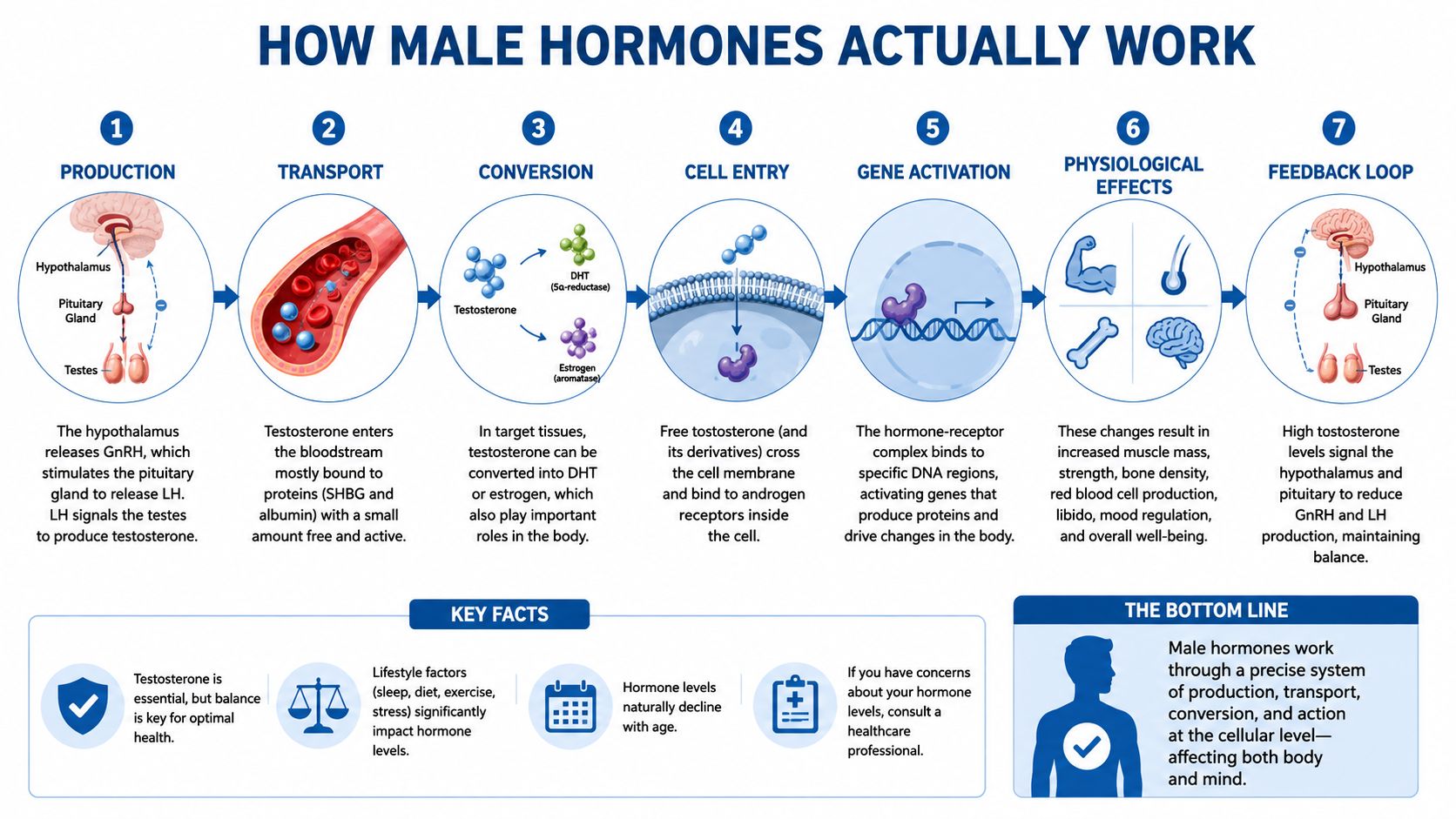
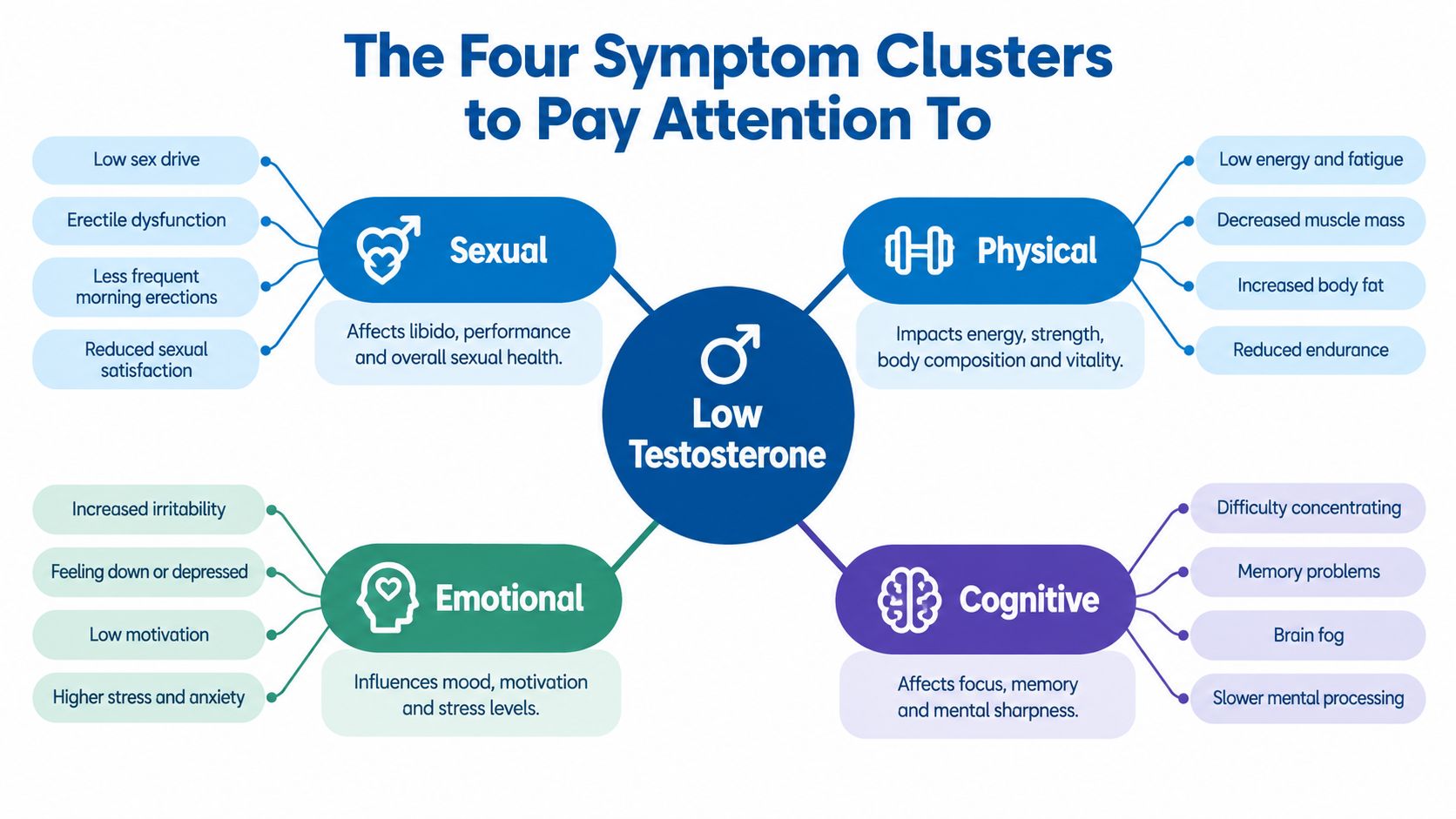
A plan that works for one adult may feel ineffective for another. Menopause can affect body composition, sleep, temperature regulation, mood, and sexual health. Andropause-related symptoms may include reduced libido, low energy, mood changes, and shifts in body composition. Thyroid disorders, diabetes, medications, stress, and poor sleep can also change weight and energy.
These possibilities do not make hormones an explanation for every symptom, and hormone therapy is not appropriate for everyone. They do show why a long term health goal should begin with an evaluation instead of an assumption. For Mississippi residents seeking personalized care, the useful question is how symptoms, metabolism, daily routines, and medical history fit together.
Make the medical question specific
Rather than bringing only “Why can't I lose weight?” to an appointment, prepare questions that help your provider examine the full pattern:
- Which symptoms appeared together, and when did they begin?
- What medications, supplements, sleep changes, or life events occurred around that time?
- Which measurements should we monitor?
- Should the priority be weight, strength, energy, symptom relief, disease risk, or a combination?
- Which treatment benefits and risks apply to my medical history?
Systemic menopausal hormone therapy is considered most beneficial for women younger than 60 years or within 10 years of menopause onset when treating vasomotor symptoms. For a patient with an intact uterus, estrogen requires a progestogen to reduce endometrial hyperplasia and uterine cancer risk. Contraindications include prior breast cancer, venous thromboembolism, stroke, coronary artery disease, active liver disease, uncontrolled hypertension, and unexplained vaginal bleeding as summarized by the American Academy of Family Physicians.
Hormone replacement therapy does not replace nutrition, movement, or sleep. It may fit one part of an individualized plan when symptoms and medical history support its use. “Bioidentical hormones” also needs clarification because the term can describe regulated products or compounded preparations. Ask which medication is being considered, how it will be monitored, what benefits are expected, and which safety concerns apply.
Treat metabolism as a clinical priority
Metabolic syndrome is commonly diagnosed when at least 3 of 5 criteria are present: abdominal obesity, fasting glucose of at least 100 mg/dL , blood pressure of at least 130/85 mm Hg , triglycerides of at least 150 mg/dL , and low HDL cholesterol. One widely used waist cut-point set is 40 inches for men and 35 inches for women , according to the Merck Manual overview of metabolic syndrome.
These measures turn a broad concern about “hormone balance” into a clearer discussion of cardiometabolic risk. Medical weight loss may include nutrition coaching, activity planning, medication management, and GLP-1 treatment when indicated. The plan should match your health history and include follow-up.
Clinical obesity trials reported about 15% mean body-weight loss with semaglutide in STEP 1 and about 21% mean loss with tirzepatide in SURMOUNT-1 in this clinical-trial summary. Trial averages cannot predict one person's result. These medications require screening, dosing decisions, side-effect monitoring, and a plan for ongoing care.
For practical sustainable weight loss advice, build around nourishment, activity, monitoring, and clinical context. If symptoms suggest hormones may be affecting weight, review the signs and solutions for hormone-related weight gain with a qualified provider. The scale is one signal, not the whole health story.
Creating a Realistic Timeline and Milestones
Long term health goals become easier to manage when you compare different definitions of success. Weight loss may matter because it supports mobility or metabolic health. Vitality may matter more if the immediate problem is fatigue, poor sleep, low libido, or difficulty completing ordinary tasks.
A lifespan goal asks, “How long might I live?” A healthspan goal asks, “How well can I function and feel during those years?” The second question often produces clearer checkpoints, such as walking comfortably, preserving strength, improving blood pressure, managing glucose, sleeping more consistently, or reducing disruptive hot flashes.

Use three planning horizons
This month , choose one or two behaviors and establish a baseline. You might record sleep and energy, schedule movement, organize medications, or prepare meals at home.
The next few months , review patterns with your provider and decide whether the plan needs adjustment. A health goal should remain flexible when pain, caregiving, travel, illness, or treatment side effects change what you can do.
The longer horizon should describe the life you want to support, not a rigid promise about a particular body size. The World Health Organization reports that the world remains off track to reduce premature noncommunicable-disease mortality by one-third by 2030 , while fewer than one-third of countries report adequate resources for person-centered integrated care and long-term care for older adults in its healthy-ageing report.
A simple planning structure can help people who struggle with organization or attention. Resources describing a 3 2 2 schedule for ADHD may offer ideas for alternating priorities, although your health plan should be adapted to your medical needs.
| Priority | Near-term checkpoint | Longer-term meaning |
|---|---|---|
| Weight management | Track agreed behaviors and clinical measures | Support mobility and metabolic health |
| Strength | Practice progressive resistance safely | Preserve function and independence |
| Symptoms | Record sleep, energy, libido, or hot flashes | Improve daily quality of life |
| Disease management | Follow medication and monitoring plans | Reduce preventable complications |
Tracking Progress and Adjusting Your Plan
A health plan becomes useful when it creates information you can act on. A paper calendar, phone reminder, food log, fitness tracker, home blood-pressure record, or symptom diary can reveal whether the plan fits your daily life. The goal is a clear record, not perfect documentation.
Match each measure to the objective. For better energy, record sleep quality, daytime fatigue, activity, and treatment changes. For metabolic health, your provider may review glucose, blood pressure, lipids, waist measurement, and medication response. For menopause symptom relief, note hot flashes, sleep disruption, mood, vaginal symptoms, and treatment timing.
Review patterns, not isolated days
One difficult day does not erase progress. Review repeated patterns:
- Behavior pattern: Did the action occur often enough to evaluate?
- Body pattern: Did symptoms, energy, hunger, sleep, or physical function change?
- Measurement pattern: Did clinical markers move in the direction your provider expected?
- Barrier pattern: Did work, stress, cost, pain, or side effects interfere?
- Support pattern: Would coaching, medication adjustment, testing, or another treatment approach help?
Weight-related goals need careful review because a target can be too demanding even when the effort is consistent. Research suggests that only about 18% of weight-loss goals were achieved overall in an activity-tracking-app analysis. Easier targets involving 1–2% of starting weight had better results than difficult targets involving 40–60% of starting weight in the analysis described here. The findings support staged targets, but they do not determine what any individual should lose.
Let review guide the next decision
If the plan is working, continue it and build gradually. If progress has stalled, reconsider the target, define the behavior more clearly, and check whether an untreated condition or treatment issue needs attention. A slower response does not mean you have failed. It may mean the system needs a better adjustment.
For Mississippi residents managing hormone, metabolic, or weight-related concerns, a wellness lab panel may be appropriate, depending on symptoms and clinical history. Testing should answer a medical question and connect with provider oversight, rather than become a collection of disconnected numbers.
When to Consult a Healthcare Provider
Seek professional guidance when fatigue persists, weight changes without an obvious explanation, hot flashes disrupt sleep, libido changes significantly, mood symptoms continue, or you have concerns about thyroid disease, diabetes, blood pressure, cholesterol, or metabolic syndrome. You also deserve an evaluation when a careful lifestyle plan produces no meaningful improvement or when medication side effects make the plan difficult to follow.
Prepare for a productive appointment
Bring a concise record of symptoms, their timing, current medications and supplements, relevant diagnoses, family history, sleep patterns, and the goals that matter most to you. A provider can then connect your concerns instead of treating each symptom as an isolated problem.
Ask what should be evaluated, which outcomes will be monitored, how soon the plan should be reviewed, and what warning signs require earlier contact. Men considering testosterone therapy and women considering hormone replacement therapy should receive individualized counseling rather than relying on online symptom checklists.
For Mississippi residents, board-certified or appropriately qualified clinic providers can help determine what type of doctor treats hormone imbalance, whether testing is appropriate, and whether options such as HRT, testosterone therapy, GLP-1 weight loss medication, or medication management fit your situation. Pause Medical serves patients near Oxford, Meridian, Tupelo, Flowood-Jackson, and Starkville with in-person evaluation and personalized care options.
Medical information can't replace an examination, diagnosis, or treatment plan. Hormone therapy, weight-loss medication, and disease-management decisions should be made with a qualified clinician who reviews your medical history, risks, current medicines, and follow-up needs.
Pause Medical offers hormone replacement therapy, medically supervised weight loss, and disease management support built around individualized goals, symptoms, and clinical monitoring. If you're in Mississippi and want help turning long term health goals into a practical plan, visit Pause Medical to schedule a consultation.