How to Increase Low Libido: A Practical Guide to Boost Your Sex Drive
If your interest in intimacy has been fading, you’re far from alone. For many hardworking Mississippians, a declining sex drive isn't a personal failure—it's a medical issue. The best way to get it back starts with figuring out what’s causing the decline in the first place. It could be anything from stress and lifestyle habits to a deeper hormonal imbalance like low testosterone. Often, a mix of healthy changes and, when necessary, medical support is the most effective path forward.
Why Your Sex Drive Might Be Declining
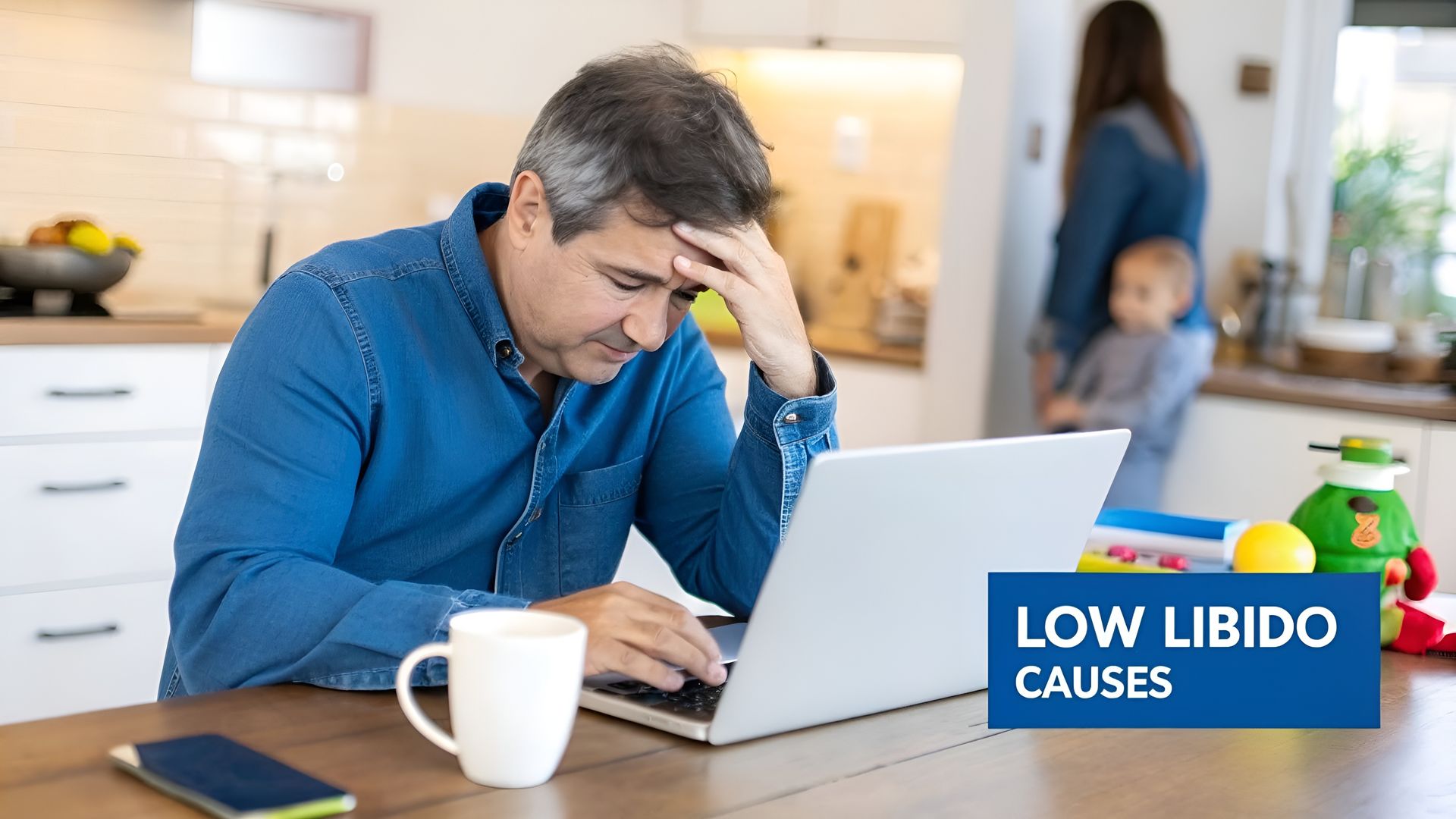
It’s incredibly frustrating—and often isolating—when you feel your desire has vanished. For many Mississippians, this is a direct result of the daily grind. The demands of work, family duties, and financial stress can set off a chain reaction of physical and hormonal changes.
This isn’t just a feeling; it’s physiology. Chronic stress floods your body with cortisol, a hormone that directly competes with and suppresses the hormones that fuel your sex drive, like testosterone. When your body is stuck in "fight or flight" mode, intimacy is one of the first things to get pushed aside.
The Physical Triggers Behind Low Libido
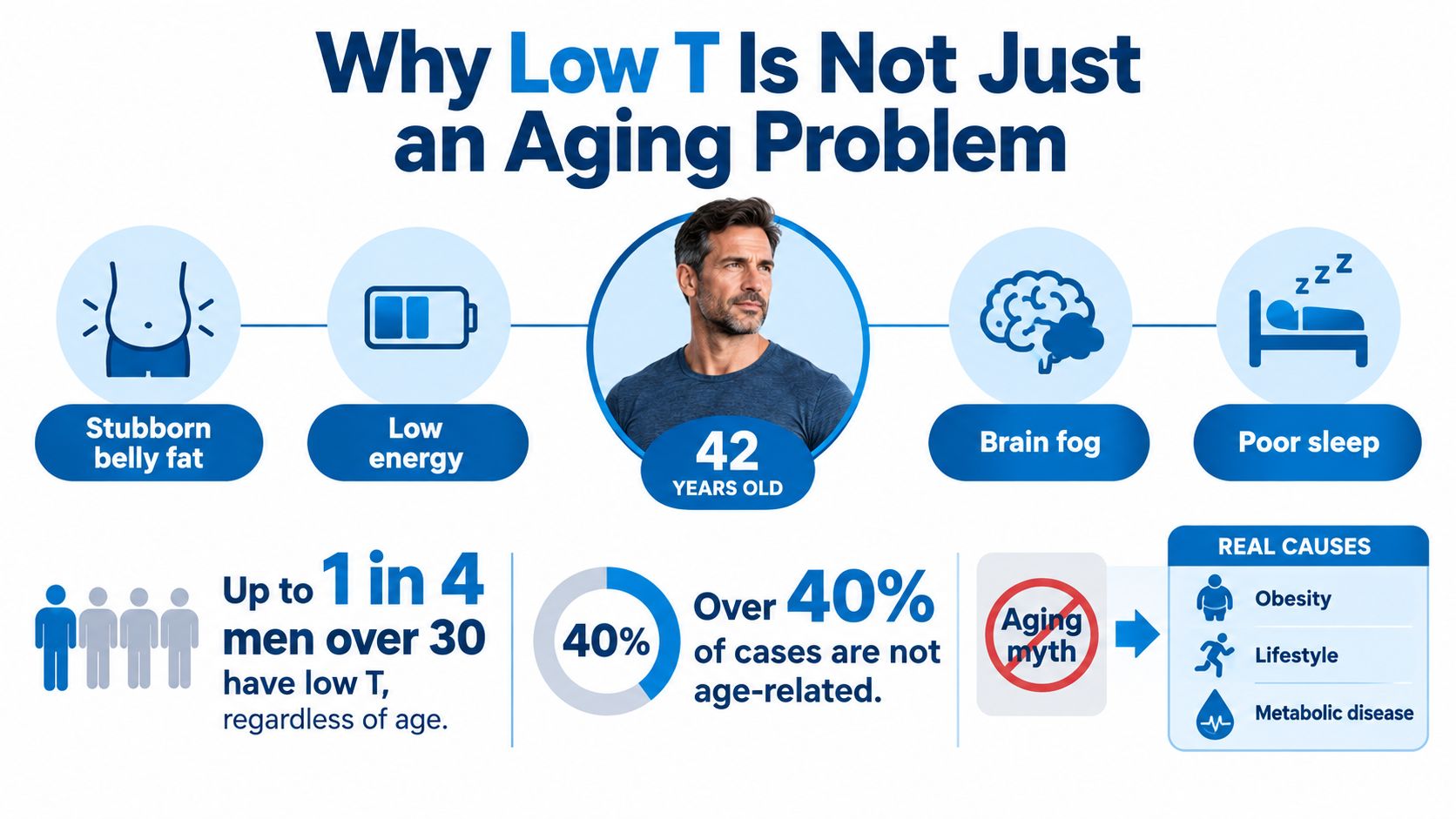
Beyond the mental weight of a busy life, several physical factors are often at play. A hormonal imbalance, especially low testosterone, is one of the most common culprits we see in our Mississippi clinics. While many think of it as a men's issue, low testosterone can absolutely crush desire and energy levels in women, too.
Chronic health conditions common in our state can also interfere. A few examples include:
- Type 2 Diabetes: Mississippi has one of the highest rates of diabetes in the nation. This condition can impact blood flow and nerve function, both of which are critical for arousal.
- High Blood Pressure: The condition itself can reduce desire, and unfortunately, some of the medications used to treat it can have the same side effect.
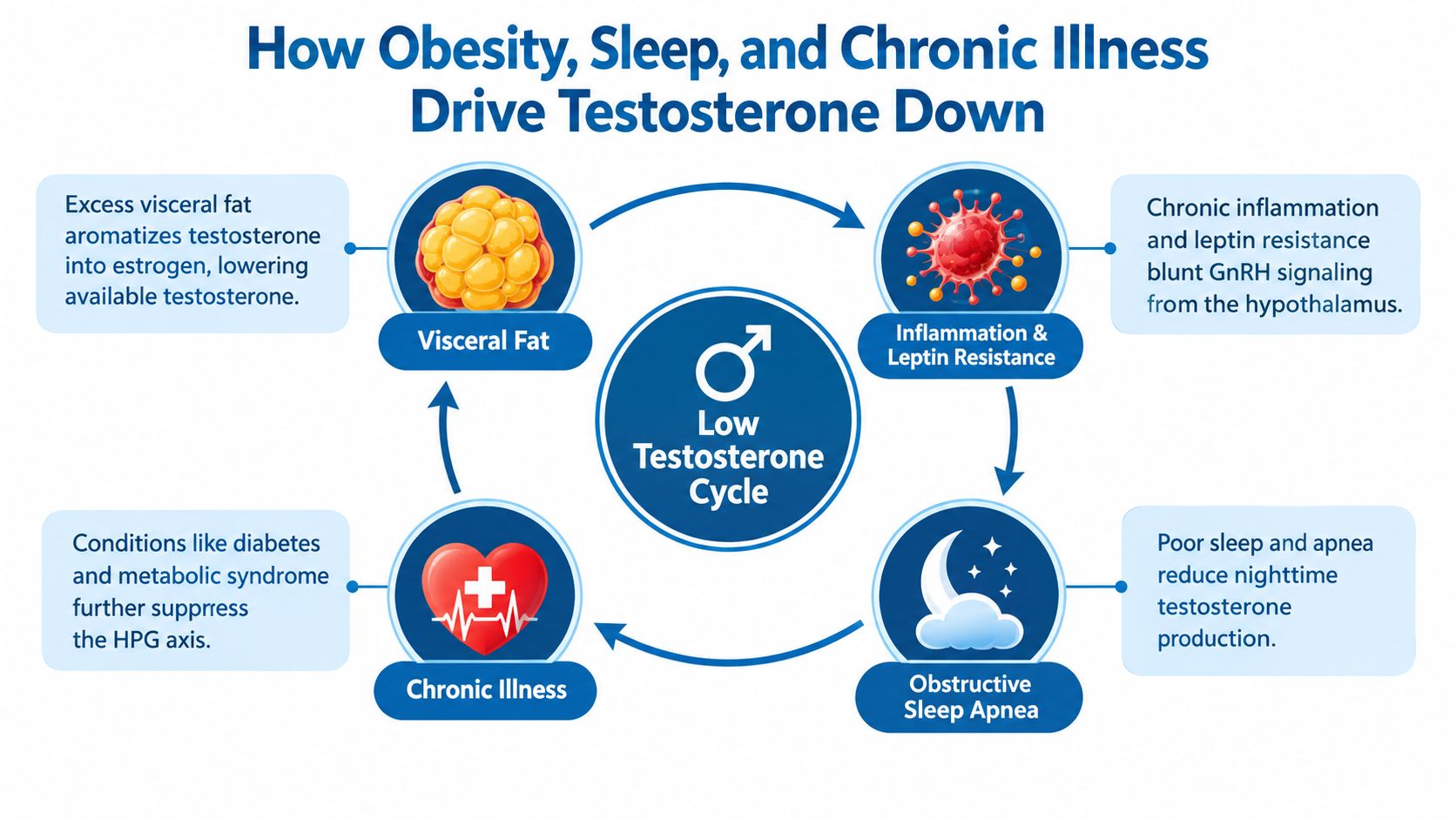
- Obesity: Carrying excess body fat can throw your entire hormonal system out of whack, often leading to lower testosterone levels.
It’s remarkable how much of a difference even a small amount of weight loss can make. Losing just 5-10% of your body weight can often lead to better hormone production and a natural boost in libido. If you've been struggling with this, the medically supervised weight loss programs at Pause Medical can give you the structure and support you need to finally hit your goals.
It's a Growing Concern Nationwide
This is an issue that's becoming more and more common. The global market for treating Hypoactive Sexual Desire Disorder (HSDD)—the clinical term for a persistent low libido—was valued at USD 139.7 million in 2022 and is expected to grow substantially. This trend is largely driven by the pressures of modern life, where hectic schedules and anxiety contribute to the hormonal shifts that kill desire.
The most important thing to remember is that a declining sex drive is not just "in your head." It is a complex interplay of your emotional state, physical health, and hormonal chemistry. Addressing it requires a compassionate, evidence-based approach.
Getting to the root cause is the first real step toward reclaiming your vitality. You might find our guide on the signs of hormone imbalance in women helpful, as it offers deeper insights into this common problem.
If you think hormonal changes or other health issues are impacting your libido, you don't have to figure this out alone. The experienced providers at Pause Medical are here to help. With convenient clinic locations across Mississippi, including Oxford, Meridian, and Tupelo, getting answers is simple. Book a confidential consultation today at pausemedical.org to begin your journey toward feeling like yourself again.
Practical Lifestyle Changes to Naturally Boost Libido
Before we even get into medical solutions, it’s important to realize just how much control you have over your libido through your daily habits. Simple, consistent tweaks to your lifestyle can make a massive difference in your hormones, your energy, and ultimately, your desire.
Think of it as building a solid foundation. When your overall well-being is strong, a healthy sex drive often follows naturally.
It All Starts with What You Eat
The link between your diet and your desire is incredibly direct. Your body needs the right fuel—specific nutrients—to produce essential hormones like testosterone. A diet that’s heavy on processed foods, sugar, and unhealthy fats can throw a wrench in that whole process, leaving you feeling sluggish and completely uninterested.
Instead, let’s focus on whole foods that give your body what it actually needs.
- Load up on Zinc: This mineral is a powerhouse for testosterone production. Oysters get all the credit, but you can also get plenty from beef, pumpkin seeds, and lentils.
- Embrace Healthy Fats: Don't fear fat! Foods like avocados, nuts, and olive oil provide the essential building blocks your body needs to synthesize hormones.
- Prioritize Lean Protein: Chicken, fish, and beans are fantastic for supporting muscle mass and keeping your energy levels steady, both of which are closely tied to a healthy libido.
Get a Handle on Your Stress
Let's be real—life is stressful. But chronic stress is a known libido killer. It cranks up your cortisol (the "stress hormone"), which basically works against your sex drive. When your cortisol levels are constantly high, testosterone often plummets.
You don’t need an hour of meditation every day to fight back. Small, simple moments of calm can significantly lower your cortisol. Try a short walk on your lunch break or just five minutes of deep breathing at your desk. It’s about hitting the reset button on your nervous system to create a better hormonal environment for desire.
The key here is consistency, not intensity. Small, sustainable habits that chip away at your stress are far more powerful than drastic, short-lived attempts. You're trying to lift the hormonal burden of stress so your natural drive can come back online.
If stress and low energy just won't quit, it might be a sign of something more. Our team at Pause Medical can help you connect the dots between your lifestyle and how you’re feeling. You can book a confidential appointment at pausemedical.org to get a clearer picture of your health.
The Undeniable Link Between Weight, Exercise, and Libido
Getting moving is one of the most effective ways to naturally boost a low libido. It gets your blood pumping, lifts your mood, and helps keep your hormones in check. But perhaps the biggest win comes from its effect on your body weight.
Excess body fat, especially around the middle, can actually convert testosterone into estrogen, directly tanking the very hormone that fuels your sex drive. Research is clear on this: losing just 5-10% of your body weight can trigger a significant increase in testosterone, energy, and sexual function. For someone who weighs 200 pounds, that’s just 10-20 pounds—a totally achievable goal.
This isn’t about becoming a gym rat overnight. It's about finding movement that works for you.
- Strength Training: Lifting weights or even just doing bodyweight exercises helps build muscle. More muscle means a higher metabolism and better support for healthy testosterone levels.
- Cardio: A brisk walk, a bike ride, or swimming is fantastic for your heart and circulation—both of which are critical for physical arousal.
Starting a fitness journey can feel overwhelming, we get it. If you're looking for guidance and a solid plan, the medically supervised weight loss programs at Pause Medical are designed for real-world success for Mississippi residents. We’ll give you the tools and support to reach a healthier weight, which can be the spark that reignites your energy and desire.
To learn more about how physical activity directly impacts your hormonal balance, check out our article on the connection between exercise and hormone health.
When Lifestyle Changes Aren't Enough
You've been putting in the work. You’re eating right, trying to keep stress in check, and staying active, but your sex drive is still stuck in neutral. It’s frustrating. While lifestyle adjustments are a fantastic starting point, they can’t fix everything.
If you’ve spent a few months on self-care without seeing any real change, it’s probably time to stop guessing and get some concrete answers. A low libido that’s starting to weigh on your mood, your confidence, or your relationship is a genuine medical issue—not something you just have to accept.
These lifestyle factors are the foundation, as you can see below.
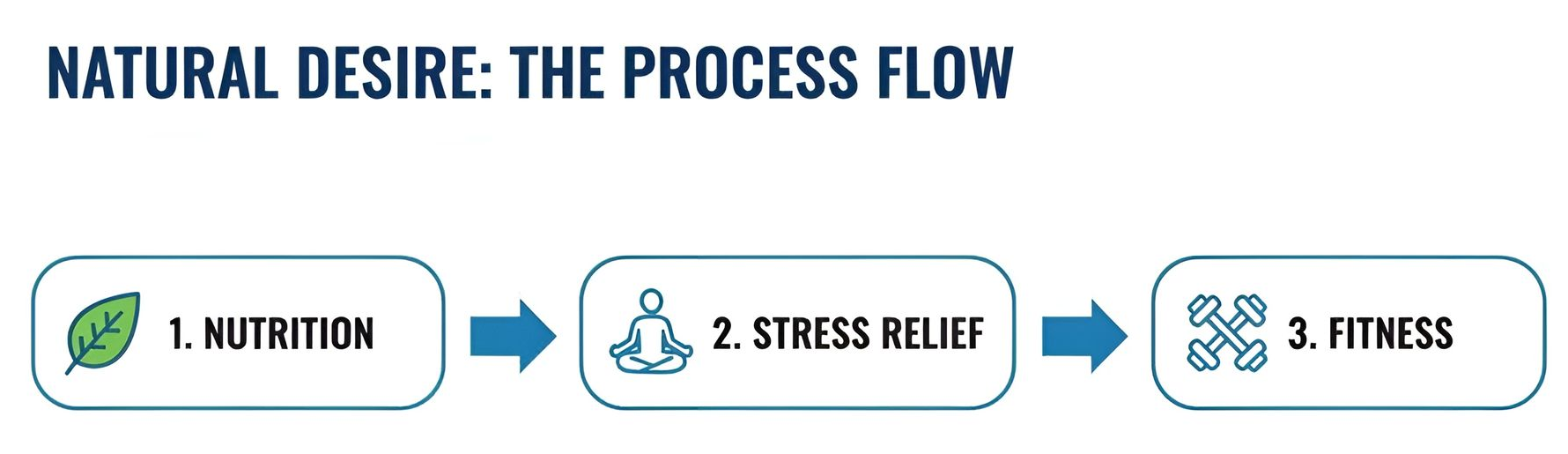
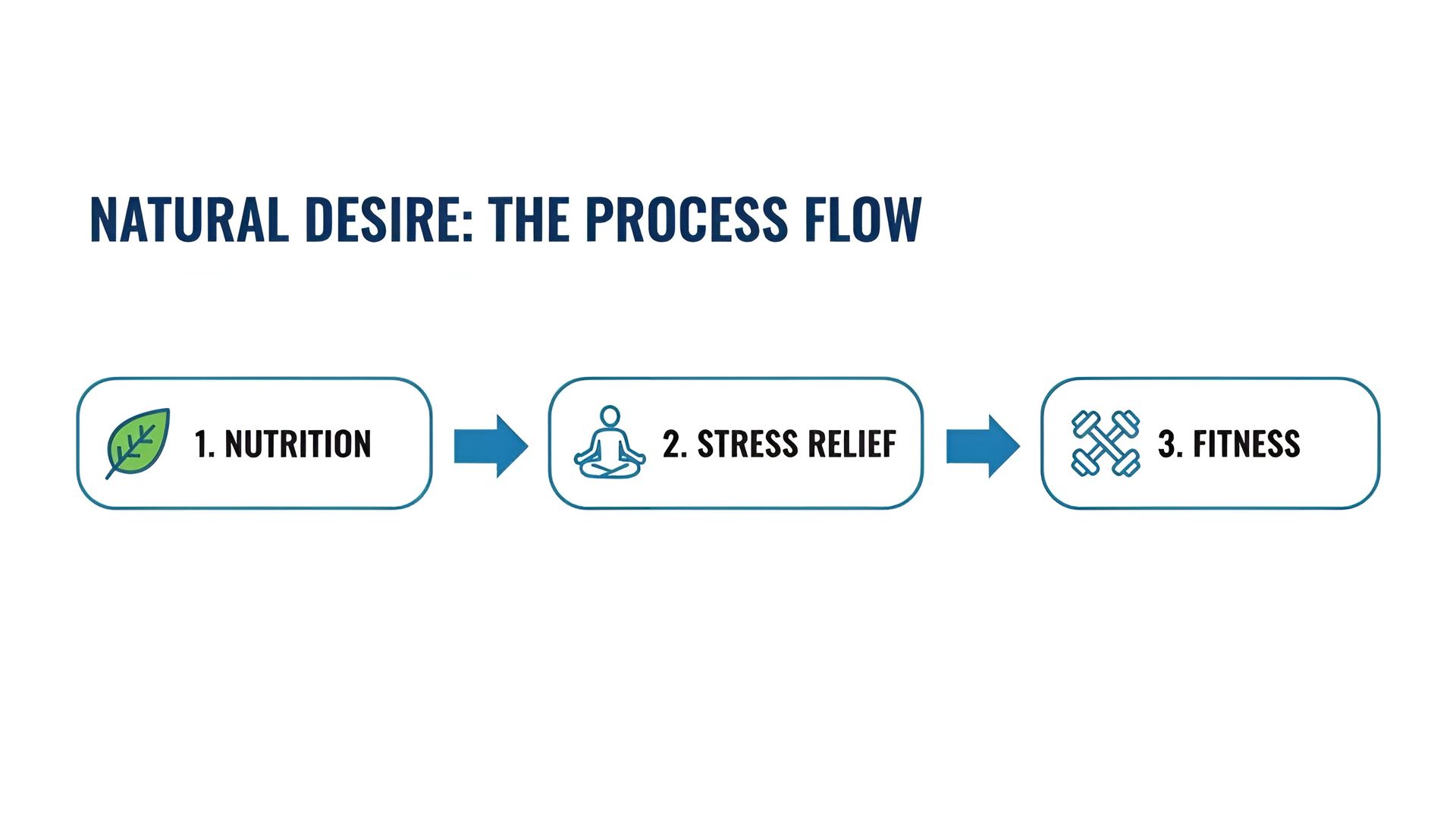
When this foundation is solid but you still feel off, it’s a strong signal that something deeper, like a hormonal imbalance, might be going on.
Not sure if it's time to book an appointment? This quick checklist can help you decide if your symptoms point toward needing a professional evaluation.
Should You See a Doctor for Low Libido A Self Assessment
Use this checklist to determine if your symptoms warrant a professional medical evaluation.
| Symptom or Situation | Consider a Consultation If... | How Pause Medical Can Help |
|---|---|---|
| Persistent Low Desire | You've tried lifestyle changes for 2-3 months with no improvement. | We can run a comprehensive blood panel to check for underlying hormonal imbalances like low testosterone. |
| Fatigue & Low Energy | You feel tired all the time, even after a full night's sleep. | We identify the root cause of fatigue, which is often linked to the same hormones that drive libido. |
| Emotional Changes | You're experiencing increased irritability, mood swings, or anxiety. | Our evaluation includes a review of all factors, including the psychological impact of hormonal shifts. |
| Taking Certain Medications | You're on prescriptions for blood pressure, depression, or pain. | We can review your current medications to see if they are contributing and discuss alternatives if possible. |
| Impact on Your Relationship | Your low libido is causing stress or conflict with your partner. | Getting a clear diagnosis and treatment plan can provide reassurance and a path forward for both of you. |
| Sudden, Unexplained Change | Your sex drive dropped significantly without an obvious cause. | This often points to a physiological trigger, making a medical evaluation the fastest way to get answers. |
If you checked off a few of these boxes, it’s a good sign that professional guidance could make a real difference.
What to Expect From a Medical Evaluation
I know that talking about your sex drive with a doctor can feel awkward. Our providers at Pause Medical get it. We’ve created a comfortable, judgment-free zone where you can have an honest conversation. With clinics all over Mississippi, from Oxford down to Meridian, getting expert care is easier than you think.
Your first visit is really just a talk. We'll go over your symptoms, health history, and what you’ve already tried. Our goal is to see the whole picture. From there, we typically move on to a couple of key steps:
- Comprehensive Blood Work: This is the most direct way to find out what’s happening with your hormones. We’ll look at total and free testosterone, among other markers, to see if an imbalance is the real issue behind your low libido.
- A Full Medication Review: So many common prescriptions—for everything from high blood pressure to anxiety—can tank your sex drive as a side effect. We’ll carefully review every medication you're taking to spot any potential culprits.
The Overlooked Impact of Chronic Stress
It’s easy to write off stress as just a part of modern life, but the physical toll is very real. For many Mississippians, burnout is a constant battle.
A recent meta-analysis brought this into sharp focus, revealing that loss of libido is the number one sexual dysfunction among healthcare workers, impacting a massive 51.26% of them. That's even more prevalent than erectile dysfunction. It's a stark reminder of how chronic stress, emotional exhaustion, and poor sleep can directly sabotage your hormonal health—a pattern we see in demanding professions everywhere. You can read the study's eye-opening findings on the impact of burnout on sexual health.
When your body is stuck in a state of high alert, it’s wired for survival, not desire. A professional evaluation can pinpoint whether this chronic stress has tipped you into a clinical hormonal deficiency that requires medical treatment.
If you’re already wondering if low testosterone could be part of your story, take a minute to fill out our free online testosterone quiz. It can give you some valuable insights to bring to your appointment.
How Testosterone Replacement Therapy Can Help

When you've done everything right with your lifestyle but your desire is still nowhere to be found, the problem might be physiological. For many Mississippians, the real culprit behind a stubborn low libido isn't a lack of effort—it's clinically low testosterone.
This hormone is the very engine for your sex drive, your energy levels, and even your overall mood. When those levels drop, it can feel like you're fighting an uphill battle every single day.
That’s where Testosterone Replacement Therapy (TRT) comes in. TRT is a medically supervised treatment designed to bring your hormone levels back into a healthy, optimal range, directly tackling the root of the problem. This isn't about guesswork; it's a precise medical approach to help you feel like yourself again.
What Exactly Is Testosterone and Why Does It Matter So Much?
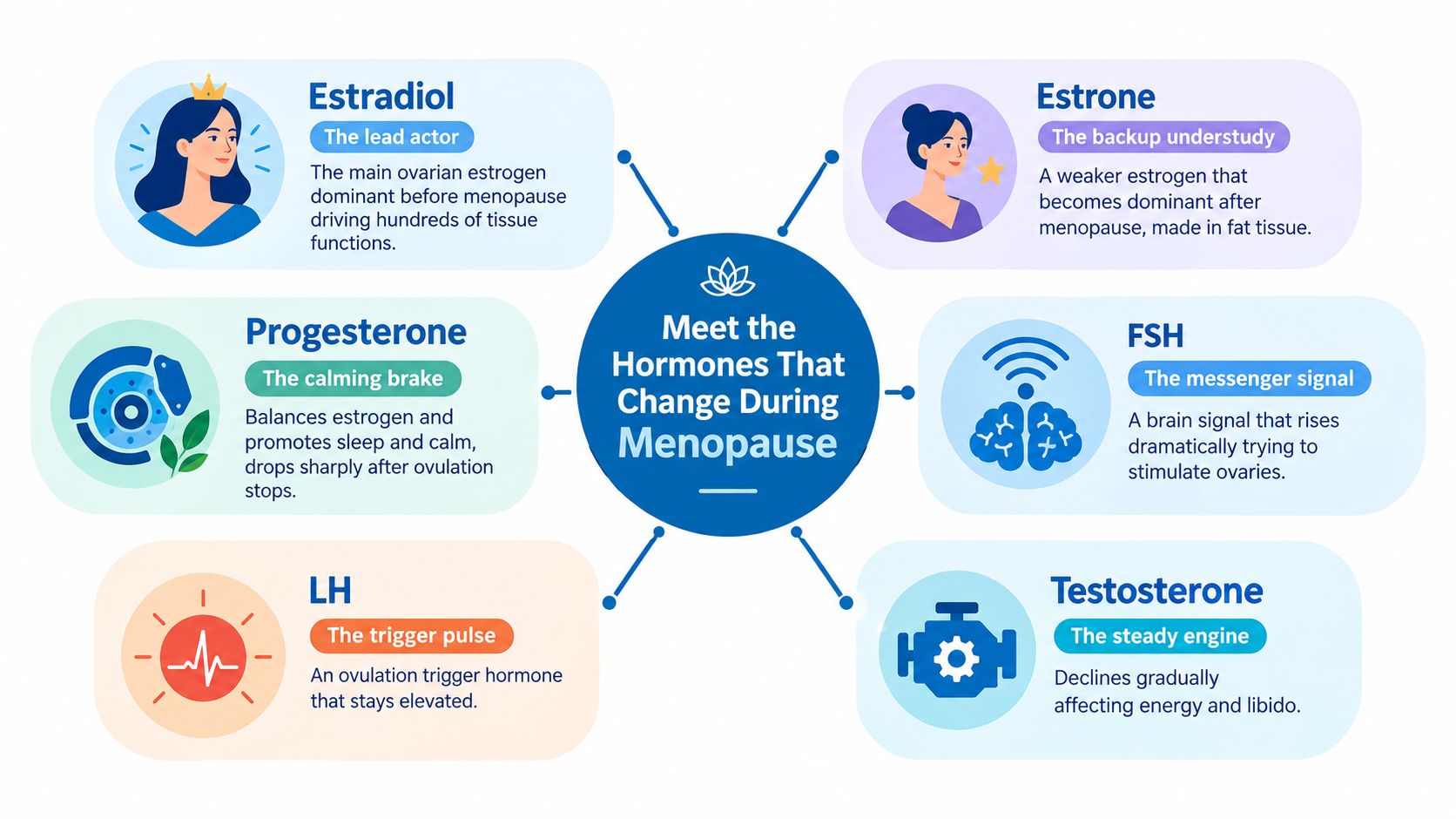
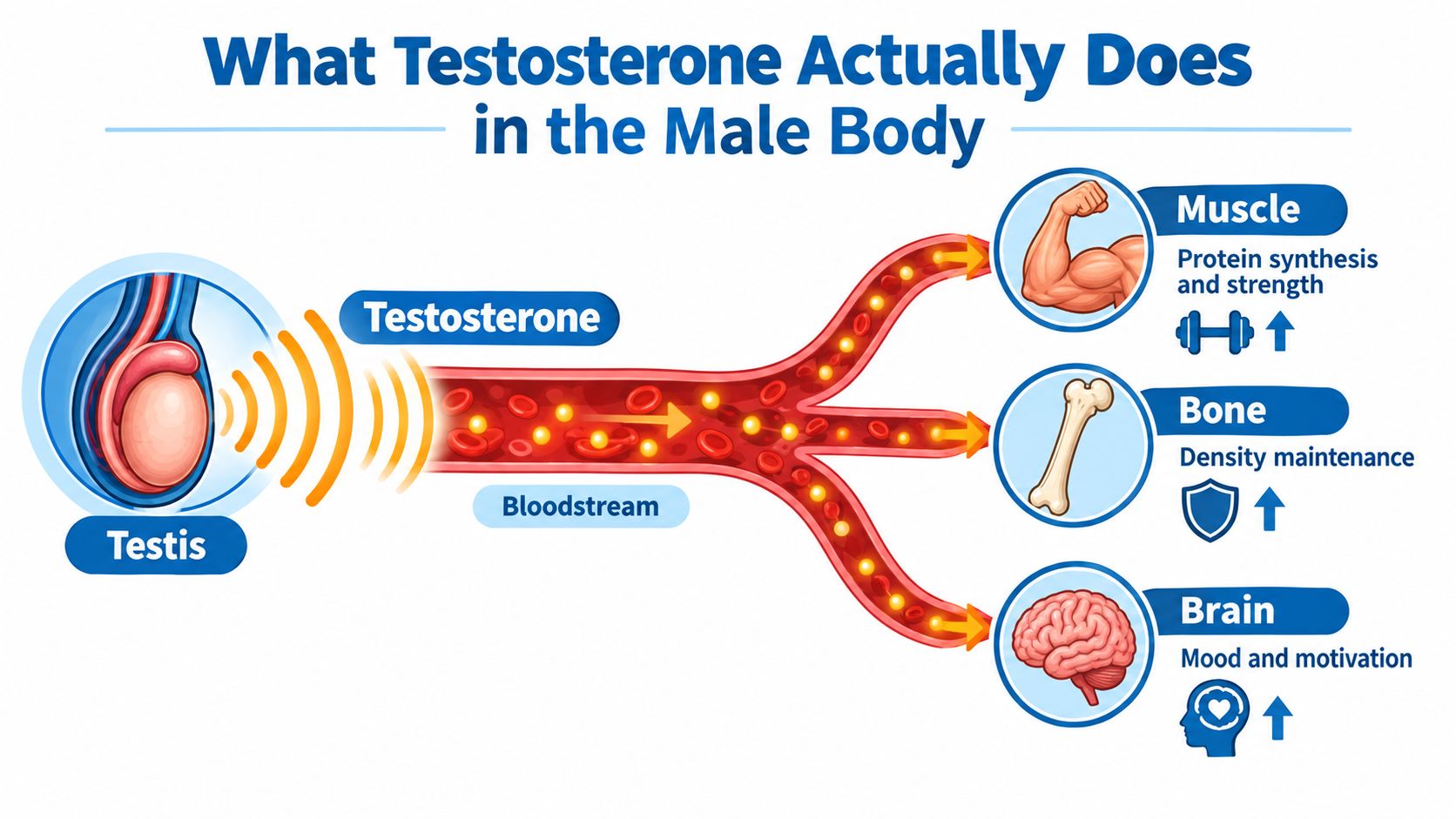
Think of testosterone as one of your body's most critical chemical messengers. While it's often associated with men, it's absolutely vital for both male and female health. It influences everything from muscle mass and bone density to mental clarity and—you guessed it—sexual desire.
A gradual decline in testosterone is a natural part of aging. The problem is when that drop becomes more significant, leading to a condition called hypogonadism, or low testosterone. This can be triggered by a number of things, including chronic stress, carrying excess weight, or other underlying health issues.
The impact is often profound and frustrating. You might notice:
- A persistent, nagging lack of interest in sex.
- Deep fatigue that even a full night's sleep can't seem to touch.
- Increased irritability or a consistently low mood.
- Trouble building or even maintaining muscle, despite hitting the gym.
When these symptoms start piling up, it’s a strong sign that a hormonal imbalance is the real issue. Getting to the bottom of it is a critical step in figuring out how to increase low libido for good.
TRT works by supplementing your body's natural production, bringing your testosterone levels back up to where they should be. The goal isn't to create artificially high levels, but to restore the natural balance your body needs to thrive.
Restoring that balance can have a powerful ripple effect, often bringing back desire, boosting energy, and leveling out your mood.
The Pause Medical Approach to TRT in Mississippi
Starting TRT is a major healthcare decision, and it demands expert medical guidance. At Pause Medical, our entire process is built around safety, precision, and your unique needs. We’re committed to giving you clear information and a personalized plan from day one.
Your journey begins with a confidential consultation at one of our Mississippi locations, whether you’re near Oxford, Tupelo, Flowood-Jackson, Starkville, or Meridian. We’ll sit down, listen to your concerns, and get a clear picture of your health goals.
From there, the next crucial step is a comprehensive blood panel. This isn't just a basic screening. It’s a deep dive into your specific hormone levels, including both total and free testosterone. This data provides the objective proof we need to confirm a deficiency and build a treatment plan that’s tailored specifically for you.
Once we have your results, we design your personalized TRT protocol. If you'd like to dive deeper into the specifics, our comprehensive Testosterone Replacement Therapy guide is a great resource with more detailed information on what to expect.
Our mission is to make this process as clear and straightforward as possible. We handle the medical complexities so you can focus on getting back to feeling your best.
Combining TRT with Your Other Health Goals
At Pause Medical, we look at the whole picture. We know that low testosterone is often intertwined with other health factors, especially excess weight. Body fat (adipose tissue) produces an enzyme called aromatase, which actively converts testosterone into estrogen.
This creates a vicious cycle: excess weight can lower testosterone, and low testosterone makes it much harder to lose weight.
That's why we've found that a combined strategy is often the most powerful one. Integrating TRT with our medically supervised weight loss programs can produce incredible, synergistic results. As TRT restores your energy and makes it easier to build lean muscle, our weight loss support helps you shed the pounds that may be suppressing your hormones in the first place.
This dual approach doesn't just help increase low libido—it boosts your overall metabolic health, your energy, and your vitality for the long haul.
If you’re tired of feeling like a shadow of yourself and think low testosterone might be to blame, don't keep guessing. Schedule your confidential consultation online at pausemedical.org and take the first real step toward answers and a solution that works.
Supplements vs. Medical Grade Therapies: What Really Works?
Walk into any pharmacy or search online, and you're hit with a wall of supplements all promising to crank up your libido. The labels look professional, the claims are bold, and it feels like a simple solution is just a bottle away.
But here’s the thing we've seen time and again in our Mississippi clinics: we’re talking about an unregulated market. It’s nearly impossible to know what’s truly effective, what’s just clever marketing, and what might even be a waste of money—or worse, risky.
Many of these over-the-counter products are packed with ingredients like fenugreek, ginseng, or maca root. And while some of these have been used traditionally and might offer a little support for some people, they just don't have the heavy-duty scientific proof to back them up for fixing a real medical issue. The bottom line is, a supplement from a store shelf can't correct a clinical hormone deficiency. It just can't.
That distinction is everything. Relying on guesswork with supplements often becomes a frustrating and expensive dead end, especially when the real problem is a hormonal imbalance that needs a precise, medical game plan.
The Wild West of Libido Boosters
The sexual health supplement market is absolutely booming—it's projected to hit USD 7.02 billion by 2030. This explosion is driven by people just like you, searching for answers to low desire that’s often tangled up with stress, diet, and dropping hormone levels. While it shows how common this struggle is, it also puts a spotlight on the dangers of a market with very little oversight. If you're curious, you can read more about these market trends to see just how massive this industry is.
Here's what you need to keep in mind when looking at that supplement aisle:
- No Real Regulation: The FDA doesn't vet dietary supplements for safety or effectiveness before they hit the market. That means the quality, purity, and even the dosage can be all over the place.
- Sketchy Ingredients: Some so-called "natural" boosters have been caught containing hidden prescription drug ingredients. That's not just deceptive; it can be downright dangerous.
- Not Enough Firepower: For most people with clinically low testosterone, these supplements simply don't have the potency to get your levels back into a healthy, optimal range.
Now, that doesn't mean all supplements are bad. If you are curious about which ones might offer real, evidence-based benefits for your overall health, feel free to explore some of our medical-grade supplement options we trust and often recommend to support our patients' goals.
The Precision of Medical Grade Therapy
On the complete other end of the spectrum, you have medically supervised Testosterone Replacement Therapy (TRT). This isn't a one-size-fits-all shot in the dark. It's a precise, evidence-based medical treatment, grounded in solid science and personalized to your unique body chemistry.
At Pause Medical, our entire process is built on clarity and safety. It all kicks off with a comprehensive blood panel to get an exact picture of your hormone levels. This data-driven approach takes all the guesswork out of the equation and tells us for sure if a hormonal imbalance is what's causing your low libido.
Once a diagnosis of low testosterone is confirmed, TRT works by restoring your hormone levels to an optimal, healthy range with precise, medically determined dosing. The data is clear: this method has a 70-90% efficacy rate in bringing back libido. Over-the-counter supplements can't even come close to that.
There's a reason this is the gold standard. It gets right to the physiological root of the problem, offering a reliable path back to feeling energized, focused, and frankly, like yourself again. If you've been trying everything else without seeing results, it might be time to stop guessing and get a clear medical diagnosis.
Making the Right Call for Your Health
Ultimately, this all comes down to making an informed decision. While lifestyle improvements and certain high-quality supplements can absolutely support your overall wellness, they are not a substitute for medical treatment when a real deficiency is present.
At Pause Medical, we believe in a complete, 360-degree approach. For many of our patients here in Mississippi—from Tupelo down to Flowood-Jackson—the most powerful strategy is often combining TRT with one of our medically supervised weight loss programs. This combination attacks the problem from both angles: TRT fixes the hormonal imbalance, while weight loss improves your metabolic health and sheds the excess body fat that can actively suppress testosterone.
If you're ready to leave the uncertainty of the supplement aisle behind and get a definitive answer, we're here to help. You can easily book a confidential appointment online at pausemedical.org to meet with one of our providers at a clinic near you.
Common Questions About Restoring Your Libido
Deciding to do something about a low sex drive can feel like a big step, and it's natural to have questions. You're definitely not alone in this. We've gathered some of the most common questions our providers at Pause Medical hear every day from people all over Mississippi to give you the clear, straightforward answers you're looking for.
How Long Until Testosterone Therapy Starts Working?
This is usually the first thing people want to know, and for good reason. While every person's body is unique, most of our patients start to feel a noticeable shift in their libido within just 3 to 6 weeks after beginning Testosterone Replacement Therapy (TRT).
At first, the changes might be subtle—a flicker of interest you haven't felt in a while. But over the next few months, as your hormone levels find their optimal balance, the full effects really kick in. That's when you'll likely experience more energy, a brighter mood, and sharper focus. Our medical team in Mississippi will be with you every step of the way, fine-tuning your treatment to make sure it's working perfectly for you.
Can Losing Weight Fix My Low Sex Drive on Its Own?
For some people, it absolutely can. Excess body fat can directly suppress testosterone, so getting to a healthier weight often gives your libido a significant, natural boost. This is why our medically supervised weight loss programs have been so successful for many of our Mississippi patients.
But it's not always that simple. If a more complex hormonal imbalance or another health issue is the real culprit, weight loss might just be one part of the solution. A full evaluation at one of our clinics—whether in Tupelo, Flowood-Jackson, or another convenient location—is the only way to know for sure if a combined strategy including TRT is what you really need.
We look at the whole picture. It's not just about one symptom. We create a plan based on your complete health profile, from weight and lifestyle habits to your precise hormone levels, to address everything that's contributing to how you feel.
If you’re ready to get real answers, we're here to help. With clinics across the state, from Oxford to Meridian, getting started is easy. Book your confidential consultation online at pausemedical.org and take control.
Isn't Testosterone Therapy Just for Men?
Not at all. This is one of the biggest myths out there, and it prevents a lot of women from getting the help they deserve. While TRT is most often talked about for men, low testosterone can absolutely crush a woman's sex drive, energy, and mood.
At Pause Medical, our hormone therapy solutions are personalized for both men and women. We base every treatment plan on a detailed review of your symptoms and a comprehensive lab workup. This lets us dial in the safest, most effective dose to help you feel like yourself again. It's important to note that we specialize in testosterone optimization and do not offer estrogen therapy.
What’s the First Step to Getting Help at Pause Medical?
We know that taking the first step can feel intimidating, so we’ve made our process as simple and private as possible. You don't need a referral from another doctor, and there are no long waiting lists for an appointment.
Just go to our website at pausemedical.org to schedule your initial consultation. You can pick the time and clinic location that’s most convenient for you, whether it's in Oxford, Meridian, Tupelo, Flowood-Jackson, or Starkville.
When you come in, you'll sit down with an experienced provider for a private, no-judgment conversation. We're here to listen, answer your questions, and start building a plan to get your energy and desire back on track.
At Pause Medical, we believe feeling vibrant and healthy isn't a luxury—it's a necessity. If low libido is holding you back in your life and relationships, our team is ready to offer the compassionate, expert care you've been looking for. Book your appointment online today at pausemedical.org and start your journey back to vitality.