Testosterone Replacement Therapy: What to Expect in 2026
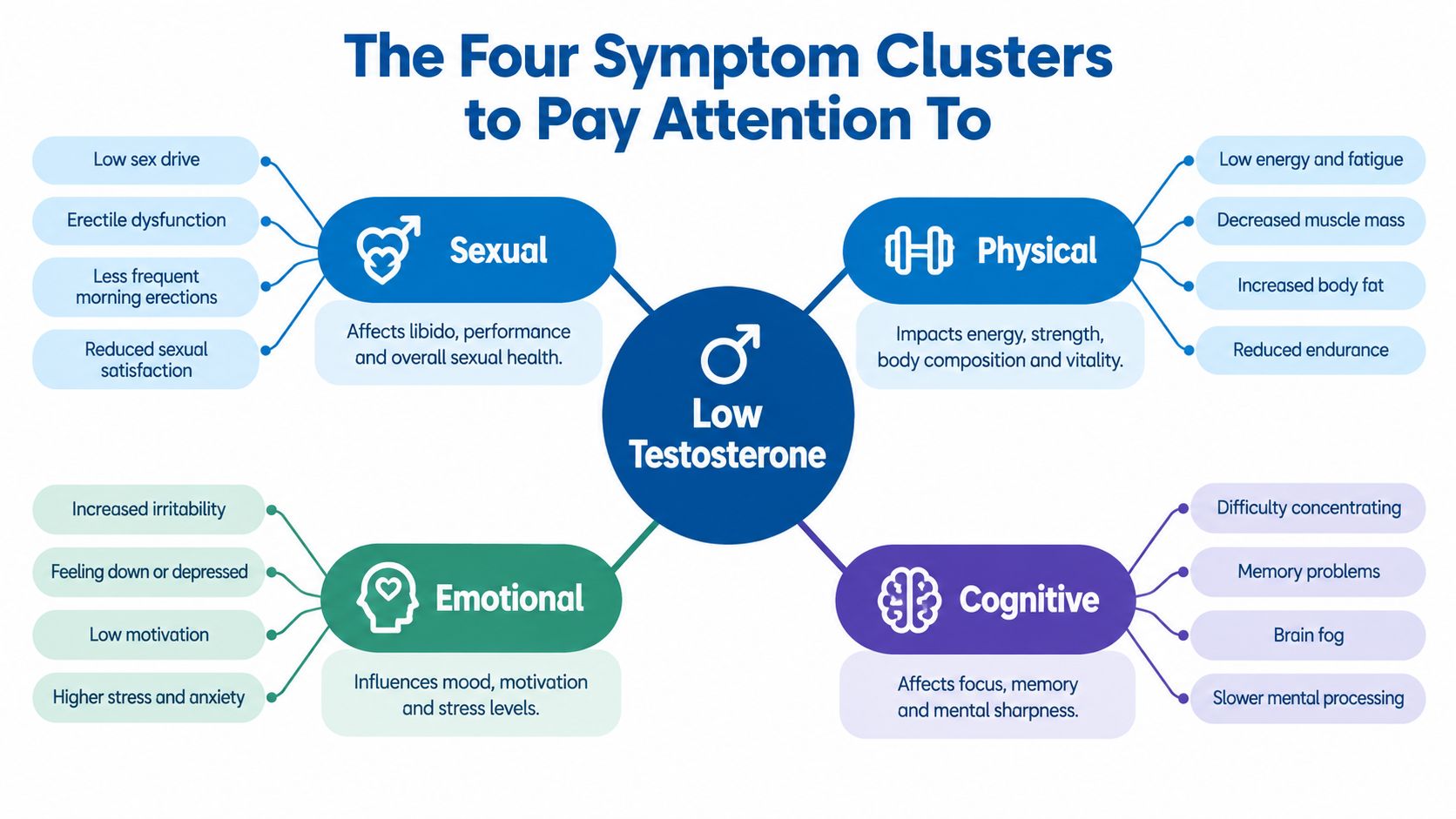
You may be reading this because you don't quite feel like yourself anymore. Your energy is lower than it used to be. Workouts don't give the same return. Sex drive has faded. You're sleeping, but not waking up restored. Some men describe it as feeling flat, foggy, or disconnected from the version of themselves they remember.
That experience is real, and it deserves a careful medical evaluation.
Those looking for information on testosterone replacement therapy what to expect often hope for a simple answer. The honest one is better than a hype-filled one. TRT can help the right patient, but it isn't a shortcut, a cosmetic upgrade, or a one-time fix. It's a structured medical treatment that works best when the diagnosis is accurate and the follow-up is consistent.
Is Testosterone Replacement Therapy Right for You
A man comes into clinic after months of feeling off. He is getting through work, but only barely. His workouts feel harder to recover from. Sex drive is lower. He wonders whether this is stress, poor sleep, getting older, or low testosterone.
That question is common, and the answer should be earned, not guessed.
Testosterone replacement therapy , or TRT, is a prescription treatment for men with diagnosed hypogonadism . In plain terms, that means symptoms of low testosterone plus lab results that confirm the diagnosis. TRT is not just a way to feel younger, train harder, or chase a quick energy boost. It is also not FDA-approved just for age-related testosterone decline. Testosterone levels can drift down with age, but age alone does not diagnose a hormone disorder.
The distinction is critical because symptoms overlap. Low energy, lower libido, brain fog, mood changes, and reduced exercise recovery can also show up with poor sleep, sleep apnea, depression, high stress, thyroid problems, weight gain, certain medications, or heavy alcohol use. Testosterone is one piece of the engine. If another part is failing, replacing testosterone may not fix the underlying problem.
Why so many men ask about TRT now
Interest in TRT has grown, and public awareness is part of the reason. The internet has also made hormone treatment sound simpler than it is. Some clinics market it like a convenience product. A careful clinician treats it like long-term medical care that needs the right diagnosis, the right plan, and regular follow-up.
Many men compare TRT with supplements before they ever book an appointment. Looking at products marketed as boosters for athletes and bodybuilders can help clarify the difference. Those products are not the same as prescription TRT for confirmed hypogonadism, and they should not be expected to do the same job.
TRT should fit a diagnosis, a goal, and a monitoring plan.
A good first question is not “How fast can I start?” It is “What is causing these symptoms?”
Questions worth asking yourself first
Before you pursue treatment, pause and consider a few basics:
- Have my symptoms been consistent over time? A rough month can mimic a hormone problem. A pattern that persists is more informative.
- Could another health issue be contributing? Sleep quality, mental health, body weight, medications, and underlying medical conditions all matter.
- Do I want symptom relief only, or do I want a clear diagnosis first? Good care starts with clarity.
- Do I have fertility goals? TRT can reduce sperm production, so that conversation should happen early.
If you want a patient-friendly place to start, this guide to whether hormone therapy is right for you explains what responsible evaluation and decision-making should look like.
For many patients in Mississippi, the right fit is not just about the medication. It is about having a clinic that can assess symptoms carefully, explain options in person, and stay involved as questions come up. That kind of support can make the process feel less confusing and a lot more manageable.
Your First Step The Comprehensive TRT Evaluation
The first appointment shouldn't feel like a sales pitch. It should feel like a medical workup.
A responsible TRT evaluation starts with your symptoms, your history, and the context around them. Fatigue by itself doesn't diagnose hypogonadism. Neither does one lab value viewed in isolation. Your clinician should want the full picture before discussing treatment.

What happens during a thorough evaluation
Most strong evaluations include several pieces:
-
Symptom review
Your clinician asks about libido, erections, energy, concentration, sleep, mood, exercise recovery, and body composition changes. -
Medical history
This includes prior illness, current medications, fertility goals, sleep apnea risk, and family history that may affect treatment safety. -
Physical assessment
A physical exam can reveal clues that matter, including body composition changes and other health issues that may mimic hormone symptoms. -
Lab work
Good testing usually goes beyond one testosterone number. Clinicians often review total testosterone, free testosterone, estrogen-related markers, LH, FSH, and general health markers to understand whether the problem is testicular, pituitary, medication-related, or part of a broader health pattern.
Why diagnosis has to be precise
TRT is meant for men with diagnosed hypogonadism , not merely for feeling older or less energetic. As Mayo Clinic explains in its testosterone therapy overview, the diagnosis requires both low testosterone levels and specific symptoms , and TRT is not approved just for age-related decline.
That distinction matters because symptoms overlap. A man with poor sleep and chronic stress may feel almost identical to a man with true hypogonadism. If you skip the workup, you may end up treating the wrong problem.
Clinical mindset: The best first visit often rules things out before it confirms anything.
What a patient should expect from the process
A high-quality clinic should explain the “why” behind every step. You should know why blood work is being ordered, what your symptoms suggest, and how the treatment decision will be made. You shouldn't leave with the impression that everyone who asks for TRT automatically gets it.
If you want a clear patient roadmap before booking, this guide on how to start hormone replacement therapy can help you prepare for that first conversation and know what questions to bring.
Understanding Your Personalized TRT Treatment Options
Once hypogonadism is confirmed, the next question is practical. How is testosterone given?
The best option isn't the one someone on the internet prefers. It's the one that fits your body, your schedule, your comfort level, and your ability to follow the plan consistently. A treatment method that looks perfect on paper can become a poor choice if it doesn't work in real life.
The main delivery methods
The most common forms patients ask about are injections , gels , and pellets . Each has trade-offs.
| Method | Administration Frequency | Pros | Cons |
|---|---|---|---|
| Injections | Regular scheduled dosing set by your clinician | Flexible dosing, easier to adjust, often preferred when fine-tuning a plan | Some patients dislike needles, and some notice ups and downs if the schedule isn't well matched to them |
| Gels | Applied on a regular daily schedule | Needle-free, simple routine for some patients | Requires consistent daily use, and skin-to-skin transfer can be a concern |
| Pellets | Placed during an in-office procedure and last for an extended period | Convenient for patients who don't want frequent dosing | Less flexible once inserted, requires a procedure |
How to think about injections
Injections give clinicians strong dose control. If symptoms improve but side effects appear, or if levels need adjustment, it's easier to refine the regimen. That's why many providers like them for patients who are early in treatment and still finding the right balance.
For the patient, the key question is routine. Are you comfortable with self-injection or office-based administration? If yes, injections can be practical and adaptable.
How to think about gels
Gels appeal to men who want to avoid needles. They can fit easily into a morning routine, and some patients prefer the steady habit of daily application.
The main caution is exposure to others. If testosterone gel transfers through skin contact, it can unintentionally affect a partner or child. That's why application instructions matter. This option works best for men who are reliable with daily habits and careful with handling.
Convenience only helps if the method is used correctly every time.
How to think about pellets
Pellets are attractive for men who don't want frequent dosing. Once placed, they require less day-to-day attention than injections or gels.
The trade-off is flexibility. If the dose isn't ideal for you, changing course is less simple than adjusting an injection plan. Pellets can suit patients who value convenience and already know they prefer a longer-acting option.
The right choice is personal
A good treatment conversation usually includes:
- Your schedule: Daily gel use and periodic injections ask for different habits.
- Your tolerance for procedures: Some patients dislike needles. Others would rather inject than apply medication every day.
- Your need for flexibility: Early treatment often involves adjustments, and some methods allow that more easily than others.
- Your household considerations: Gels require special attention if close skin contact with others is likely.
For a broader patient education overview, this 2026 patient guide to hormone replacement therapy guidelines can help you compare treatment planning considerations in plain language.
The Timeline What to Expect Month by Month on TRT
Most men want to know when they'll feel different. That question matters, because unrealistic expectations are one of the fastest ways to get discouraged.
The first thing to understand is that biochemical stabilization comes before full symptom improvement . Testosterone levels generally take about 4 to 8 weeks to stabilize , and those early shifts can affect how energy, mood, and libido feel while the dose is being titrated, according to this overview of what to expect when starting TRT.

Early weeks
During the first several weeks, some men notice subtle changes first rather than dramatic ones. You may feel slightly more interested in sex, a bit clearer mentally, or more emotionally steady. Others feel very little right away, and that can still be normal.
A useful expectation is patience. Hormones don't reset your body overnight.
Later in this section, this short video gives a practical overview of how the process unfolds for many patients:
What tends to improve first
A review published on PubMed Central found that after starting TRT, sexual desire may improve in about 3 weeks , depressive symptoms may improve by 3 to 6 weeks , and changes in lean mass and muscle strength typically emerge around 12 to 16 weeks . Full benefits can take 3 to 12 months , depending on the outcome being measured, as described in this evidence review on the time course of testosterone effects.
That timeline helps explain why some men feel disappointed too early. If you're expecting major body composition changes in the first month, you're likely judging the treatment before your body has had enough time to respond.
A simple way to track progress
Instead of asking, “Do I feel amazing yet?” ask narrower questions:
- Has libido changed at all?
- Am I less mentally flat than before?
- Is recovery after exercise starting to improve?
- Do I feel more stable from week to week?
The most reliable progress is often gradual enough that you notice it in hindsight.
If you want a more detailed patient timeline for hormone response, this article on how long hormone therapy takes can help frame what's normal and when to follow up if progress feels off track.
Navigating Side Effects and Long-Term Monitoring
Safe TRT depends on follow-up. Not just the prescription.
That's where many patients get confused. They think the main challenge is getting diagnosed and starting treatment. In reality, the ongoing monitoring is what keeps treatment effective and lowers avoidable risk.

The side effects patients should know about
TRT can cause side effects, and a good clinician should discuss them before treatment starts. Authoritative clinical sources note possible issues such as acne, fluid retention, breast enlargement, worsening sleep apnea, increased red blood cell production, and lower sperm count.
Fertility deserves direct attention. TRT can decrease sperm count and sometimes cause testicular shrinkage , which means the conversation is very different for a man who still wants children than for one who doesn't.
What monitoring actually looks like
Monitoring isn't random. It follows a schedule. Cleveland Clinic notes that hematocrit should be checked at baseline, at 3 months, at 6 months, and then annually , and therapy should be paused if hematocrit exceeds 54% , according to its TRT treatment overview.
That's one of the clearest examples of why supervision matters. Increased red blood cell production is not something you can feel accurately in day-to-day life. Lab monitoring catches it before it becomes a bigger problem.
Why this matters more than many men realize
Patients often focus on benefits and treat side effects as rare exceptions. A better way to think about it is this:
- Monitoring protects the benefit: If dosing needs adjustment, you want to catch that early.
- Monitoring protects future goals: Fertility plans can change. It's better to discuss them upfront than regret assumptions later.
- Monitoring protects overall health: If sleep apnea, fluid retention, or blood count changes emerge, they need action, not guesswork.
Good TRT care includes the willingness to pause, adjust, or rethink the plan when safety markers change.
Lifestyle also matters. Sleep quality, resistance training, food choices, alcohol use, and body weight all influence how you feel on therapy. TRT works inside a larger health picture. It doesn't erase the need to address that picture.
If you've heard mixed messages about other symptoms during therapy, this evidence-based guide on whether testosterone can cause joint pain is a useful example of how to sort common concerns with a medical lens instead of social media advice.
The Pause Medical Approach to TRT in Mississippi
Patients in Mississippi often want two things at once. They want expert oversight, and they want a process that feels understandable from the first visit forward.
That combination matters with TRT because the treatment is rarely just about one lab value. A man may come in concerned about fatigue and low libido, but the complete clinical picture can also involve sleep issues, weight changes, stress, medication effects, or fertility considerations. Strong hormone care has to connect those dots.

What in-person support changes
An in-person clinic model gives patients a place to ask practical questions that often get skipped online. What if your mood shifts before your body changes? What if your libido improves first but your energy doesn't? What if fertility is still part of your plan? Those details shape care.
For Mississippi patients, local follow-up can make treatment feel much less abstract. It's easier to stay engaged when you know where you'll go for labs, rechecks, medication adjustments, and honest conversations about whether the plan is working.
Why accountability improves the patient experience
TRT success usually depends on consistency. That means taking medication as prescribed, showing up for follow-ups, reporting side effects accurately, and paying attention to sleep, exercise, and recovery.
Some patients also like digital tools that help with habit tracking between appointments. If you're exploring that side of support, BodyBuddy's review of AI coaching tools offers a useful look at how accountability tools can support health routines without replacing medical care.
For patients across Mississippi, especially near Oxford, Meridian, Tupelo, and Flowood-Jackson, the ideal setup is straightforward. You get evaluated in person, your plan is individualized, and your follow-up is structured enough that you never have to guess what comes next.
Frequently Asked Questions About TRT
Is TRT a lifelong commitment
Often, TRT is treated as a long-term therapy when a man has true hypogonadism and continues to benefit from treatment. Some men stop, but that decision should be made with a clinician because symptoms can return and the transition needs planning.
Is TRT the same as taking bioidentical hormones
TRT uses testosterone prescribed as a medical treatment. Patients may hear the term “bioidentical,” but the more important question is whether the testosterone is medically appropriate, properly dosed, and carefully monitored. The terminology matters less than the quality of diagnosis and supervision.
Will TRT help with weight loss
TRT is not a primary weight-loss medication. Some men feel better, train more consistently, and notice body composition changes over time, but it shouldn't be framed as a stand-alone fat-loss solution. If weight is a major concern, your clinician should also look at nutrition, sleep, physical activity, metabolic health, and whether a supervised medical weight loss plan is appropriate.
Can I start TRT if I want children later
That requires a careful conversation before treatment begins. TRT can reduce sperm count and may affect fertility, so men who want to preserve fertility should bring that up immediately rather than after therapy has already started.
What side effect should patients take most seriously
The answer varies by the individual, but most patients benefit from paying close attention to changes involving sleep, swelling, acne, breast tenderness, and anything that suggests their dose may need adjustment. Fertility concerns and blood count monitoring also deserve close attention, even when you feel well.
Does insurance usually cover TRT
Coverage varies by plan, diagnosis requirements, and medication type. Some clinics also use a direct-pay model, which can make pricing and follow-up more straightforward for patients who prefer transparent out-of-pocket care.
How do I know if my clinic is doing TRT the right way
Look for a process that includes a detailed history, careful diagnosis, treatment matched to your goals, and structured follow-up rather than one quick prescription visit. If the clinic barely discusses fertility, side effects, or lab monitoring, that's a warning sign.
If you're in Mississippi and want a clear, medically supervised path forward, Pause Medical offers in-person hormone evaluation, personalized treatment planning, and ongoing monitoring designed to help patients understand their options and move forward safely. Schedule a consultation if you want expert guidance on whether TRT fits your symptoms, labs, and long-term goals.