Gut Health and Weight Loss: Expert Guidance
You're eating better. You've cut back on late-night snacks. You've started walking, lifting, or both. Maybe you even gave up foods you enjoy because you were told to “just be more disciplined.” And still, the scale barely moves, your belly feels inflamed, and your energy doesn't match the effort you're putting in.
I hear this from patients all the time. Many feel like their body has stopped cooperating, especially during menopause, perimenopause, or andropause, when weight seems easier to gain and harder to lose. If that sounds familiar, the problem may not be a lack of willpower. It may be that your body is dealing with a hidden variable your diet app can't see.
That hidden variable is often the gut microbiome , the community of bacteria and other microorganisms living in your digestive tract. Your gut does much more than digest food. It helps regulate inflammation, appetite, blood sugar signaling, and hormone activity. When those systems get out of sync, weight loss gets harder.
The Frustrating Truth About Weight Loss Resistance
A patient once described her experience this way: “I'm doing all the right things, but my body acts like it didn't get the memo.” That sentence captures what weight loss resistance feels like for many adults in Mississippi. They're not ignoring their health. They're trying, often for months.
Sometimes the pattern looks like this. You lose a little weight early, then stall. Or you clean up your meals but still crave sugar, feel bloated, and wake up tired. In other cases, the struggle starts after a major hormone shift, such as menopause, low testosterone, high stress, or worsening insulin resistance.
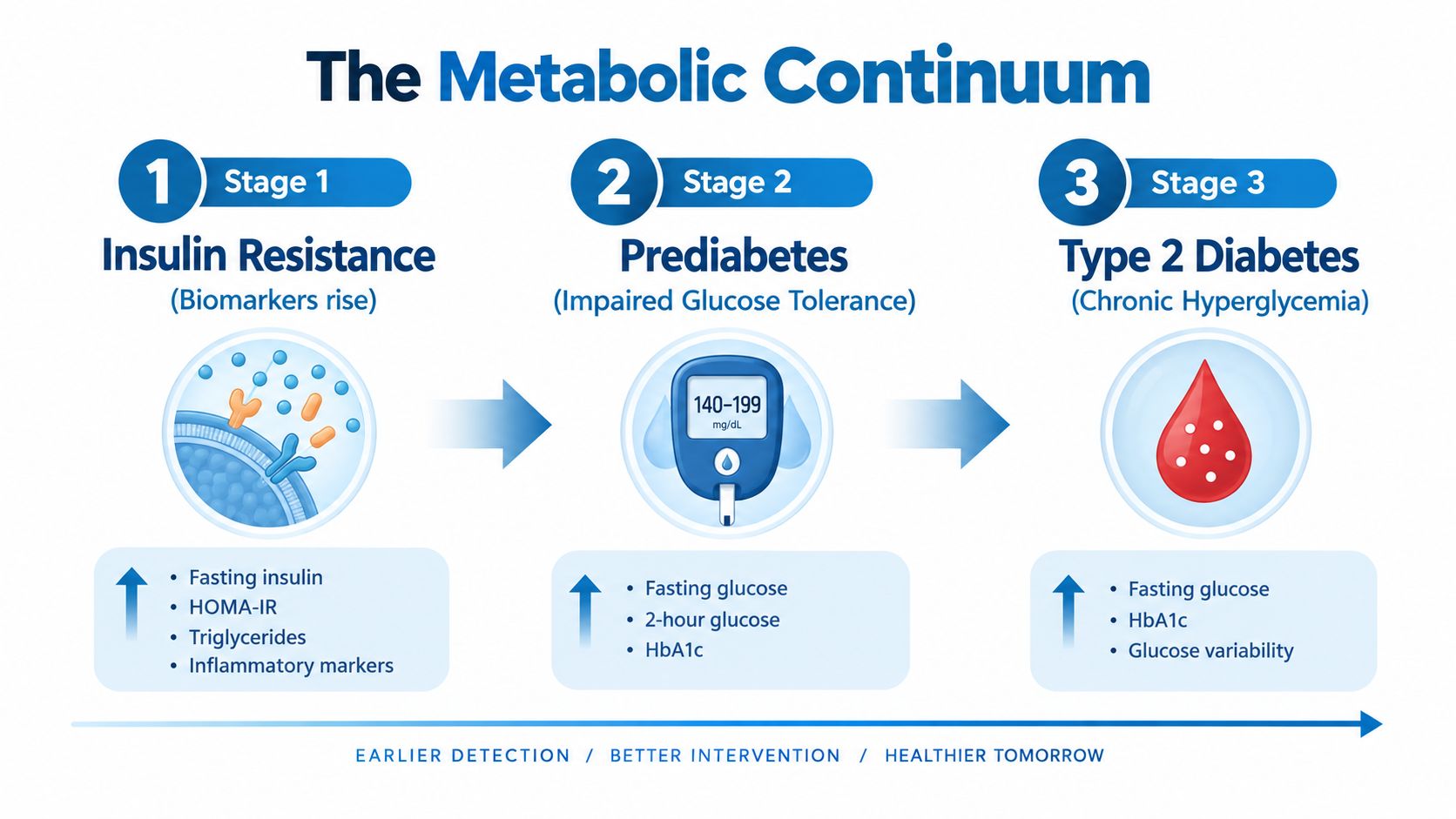
If you've dealt with rising blood sugar, stubborn abdominal weight, or energy crashes after meals, it's worth learning how insulin resistance affects weight and metabolism. That piece matters because weight regulation isn't just about calories on paper. It's also about what your hormones, gut, and brain are doing with those calories.
Why “eat less and move more” often falls short
That advice isn't wrong. It's just incomplete.
Your body doesn't process food in a vacuum. Your gut microbes help decide how much energy gets extracted from food, how inflamed your system becomes, and how your hunger signals behave later in the day. If the gut environment is off balance, your body may work against your efforts.
Weight loss resistance often signals that something deeper needs attention, not that you've failed.
The missing link many people never hear about
The gut is often considered only in the presence of heartburn, constipation, or diarrhea. But the gut also influences metabolism and body composition. That means gut health and weight loss are connected in a practical, everyday way, not just in research journals.
For some people, the microbiome is the reason one eating plan works beautifully for a friend and does almost nothing for them. For others, the gut issue is tied to hormone changes that arrived at the same time as weight gain. Either way, the body is giving clues. The goal is to listen to them and respond with a more personalized plan.
The Scientific Link Between Your Gut and Weight
Think of your gut like a garden. In a healthy garden, many different plants grow well together. In a healthy gut, a diverse microbiome helps maintain balance. That diversity matters because different microbes perform different jobs, including breaking down fiber, influencing inflammation, and interacting with metabolic signals.

Your gut isn't passive
Your digestive tract isn't just a food tube. It acts more like a metabolic control center.
Research shows that obesity is associated with altered gut microbiota that can increase digestible energy intake and decrease energy expenditure, including a 50% reduction in Bacteroidetes abundance with a proportional increase in Firmicutes in obese hosts, a shift linked to greater energy absorption and increased fat synthesis signaling in the liver, according to this review of gut microbiota and obesity mechanisms.
That's a complicated sentence, so here's the plain-language version: two people can eat similar foods, but their guts may handle those foods differently. One person's microbiome may support better metabolic balance. The other person's may pull more usable energy from the same meal and send signals that favor fat storage.
Diversity matters more than most people realize
The healthiest gut gardens tend to be diverse. When diversity drops, the system becomes less resilient.
Research demonstrates a direct dose-response relationship between weight loss and gut microbiota diversity. Each kilogram of weight lost increases alpha-diversity by approximately 0.012 units , and that shift moves the microbiome toward the profile seen in people at a healthy weight while reducing intestinal permeability, often called leaky gut, as described in this summary of the gut diversity and weight loss relationship.
That matters because a less “leaky” gut is generally less likely to allow harmful bacterial products to stir up systemic inflammation.
Practical rule: Better gut diversity doesn't just follow weight loss. It can also support the metabolic conditions that make healthier weight regulation easier.
Appetite, inflammation, and food signals
Your gut also influences hormones involved in fullness and blood sugar control. That's one reason fiber, prebiotics, and targeted nutrition can help some people feel more satisfied on fewer calories. If you want a plain-English overview of how prebiotics impact appetite, that resource does a good job explaining why feeding beneficial bacteria can change how hunger feels.
A healthy gut also works well with medical weight loss tools that act through gut-related pathways. If you're curious about that side of treatment, this overview of how semaglutide works explains the role of GLP-1 signaling in appetite and metabolic regulation.
How Hormones and Gut Health Interact
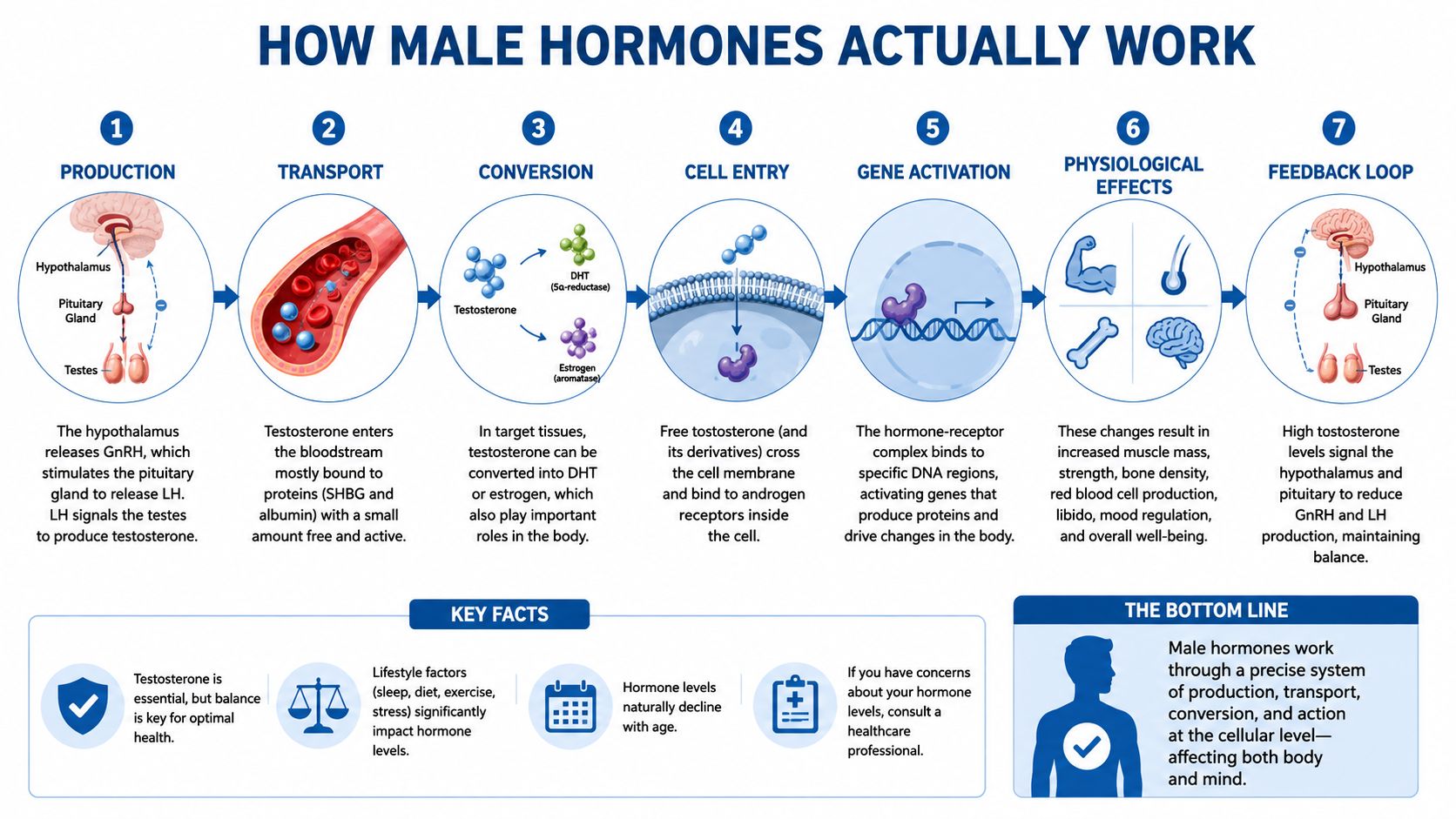
If the gut is a garden, hormones are part weather and part irrigation system. They shape the environment. Then the environment affects them back. This two-way relationship is one reason weight gain can feel so abrupt during menopause, perimenopause, chronic stress, or low testosterone.

Why menopause and andropause change the picture
Hormonal transitions often change where weight is stored, how hungry you feel, how well you sleep, and how steady your energy stays during the day. That's already hard enough. Add gut disruption, and it becomes much harder to make progress with standard advice.
Recent evidence confirms that hormonal imbalance, such as cortisol elevation from imbalanced gut flora, directly drives visceral fat accumulation and disrupts metabolic pathways , creating a barrier to weight loss that diet alone can't overcome, according to this discussion of gut health, cortisol, and weight loss barriers.
Visceral fat is the deeper abdominal fat around internal organs. It's the kind many patients describe as “I didn't change much, but suddenly my middle changed.” Cortisol, poor sleep, inflammation, and gut imbalance can all feed that pattern.
The gut-hormone axis in everyday terms
Here's what often confuses people: they want to know whether their symptoms are hormonal or digestive. In real life, they're often both.
A person with hormone shifts may develop slower digestion, more bloating, stronger cravings, and new weight gain. A person with gut imbalance may then experience more inflammation, less stable appetite signaling, and worsening metabolic function. That loop can keep spinning.
A few common examples:
- Menopause-related changes can coincide with abdominal weight gain and changes in bowel habits.
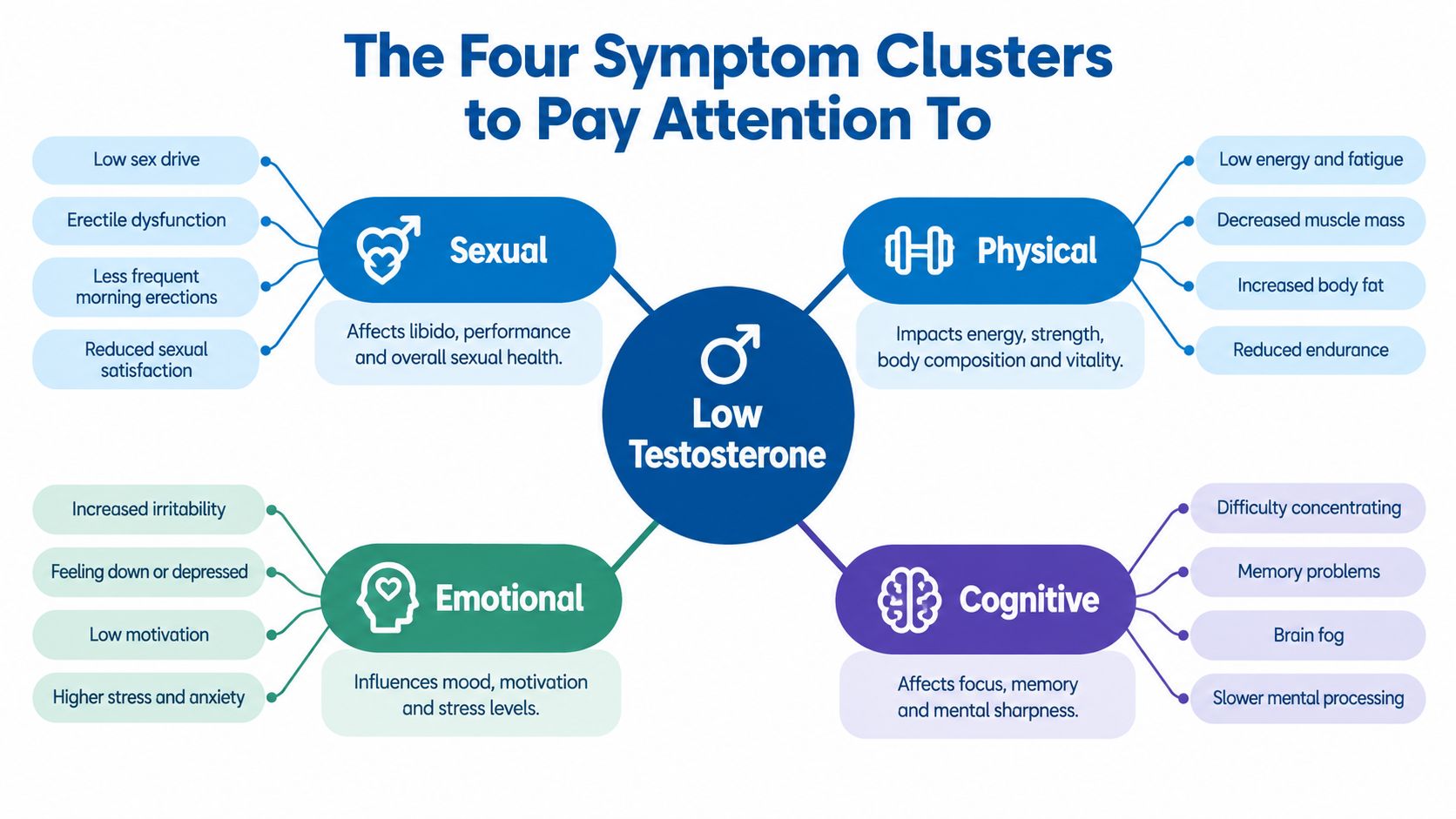
- Low testosterone may be linked with reduced muscle mass, lower energy, and an easier tendency to gain fat.
- High stress can affect sleep, appetite, cortisol, and gut symptoms at the same time.
- Thyroid or metabolic issues may overlap with both gut complaints and weight resistance.
Many people don't need “more discipline.” They need a care plan that stops treating hormones and gut function as separate problems.
Why personalized care matters here
A medically guided evaluation becomes useful. If you're seeing signs that hormones may be part of the problem, this article on hormone imbalance causing weight gain can help you recognize common patterns.
The larger point is simple. Weight gain during menopause or andropause doesn't mean your body is broken. It means the inputs have changed. Your treatment plan often needs to change too.
Actionable Steps for a Healthier Gut
If your meals look “healthy” on paper but bloating, cravings, or stubborn weight keep showing up, the missing piece may be how your gut and hormones are responding together. During menopause, andropause, or periods of high stress, the same food plan that used to work can suddenly feel less effective. That does not mean you failed. It means your body may need a more targeted approach.

Start with fiber, then build gradually
Fiber helps feed beneficial gut microbes, supports regular bowel movements, and can improve fullness after meals. The Academy of Nutrition and Dietetics recommends 25 grams daily for women and 38 grams daily for men , with lower targets for adults over 50. Higher-fiber eating patterns are also associated with better weight and metabolic outcomes, as summarized in the CSIRO gut health and weight loss report.
The key is pace.
A sudden jump from a low-fiber diet to large servings of beans, bran cereal, and raw vegetables can feel like flooding a system that is not ready. Gas and bloating often follow. Adding one or two fiber-rich foods every few days, while increasing water intake, is usually easier on the gut.
Practical options that work well for many patients include:
- Breakfasts such as oats, chia seeds, berries, or plain Greek yogurt with fruit and nuts
- Lunches built around lentils, chickpeas, black beans, leafy greens, cucumbers, and leftover roasted vegetables
- Dinners with broccoli, Brussels sprouts, cauliflower, brown rice, quinoa, or bean-based soups
- Snacks like apples, pears, carrots, hummus, or a handful of nuts in place of ultra-processed snack foods
Feed the bacteria you want more of
Prebiotics are food for beneficial bacteria. Probiotics are live microorganisms found in certain foods and supplements. Both matter, but food choices usually come first.
Onions, garlic, asparagus, oats, legumes, and fruit provide prebiotic support. Yogurt, kefir, sauerkraut, kimchi, and other fermented foods can add probiotic exposure. A healthy gut works a bit like a garden. Fiber and prebiotic foods are the soil and water. Fermented foods and selected probiotics can help add or support the organisms you want growing there.
Some research suggests probiotic use may help with body weight and fat mass in certain people with overweight. Response varies quite a bit, though. A supplement that helps one person may do little for another, especially if poor sleep, insulin resistance, or hormone shifts are still driving the problem.
Keep meals consistent enough for your hormones to work with you
Irregular eating, very low-calorie dieting, and cycles of restriction followed by overeating can make gut symptoms and appetite swings harder to control. That pattern can become even more noticeable during menopause or with low testosterone, when changes in body composition and insulin sensitivity may already be working against you.
Many patients do better with a steady routine. Aim for meals that include protein, fiber, and minimally processed carbohydrates most of the time. If you are also working on blood sugar, energy, and waist circumference, this guide on how to improve metabolic health can help you connect those pieces.
Sleep and stress affect the gut more than many people realize
Your gut is closely connected to your nervous system. Poor sleep and chronic stress can change motility, increase cravings, worsen reflux or bloating, and make appetite regulation less predictable. If your body is getting repeated “alarm” signals, digestion often becomes less efficient.
This short video gives a helpful overview of gut-friendly habits that fit into daily life:
Build a plan you can repeat
Simple routines usually beat ambitious plans that last five days. Start with a few habits you can keep long enough to see how your body responds.
| Habit | What it looks like |
|---|---|
| Add fiber slowly | Increase vegetables, beans, oats, or berries over days to weeks |
| Include protein with meals | Pair eggs, Greek yogurt, fish, chicken, tofu, or beans with fiber-rich foods |
| Use fermented foods regularly | Include yogurt, kefir, or other tolerated fermented foods |
| Protect sleep | Keep bed and wake times as consistent as possible |
| Lower daily stress | Walk, breathe, stretch, journal, pray, or repeat any calming routine you will actually use |
For people exploring medical weight-loss treatment, cost can affect what is realistic to maintain. This review of 2026 Saxenda out-of-pocket costs may help you compare one part of that decision with your clinician.
When At-Home Changes Are Not Enough
Some people respond well to food and lifestyle changes alone. Others do everything right and still hit a wall. That's often the point when frustration turns into self-blame. It shouldn't.

Red flags that deserve a medical evaluation
If you're dealing with stubborn weight plus symptoms like ongoing bloating, abdominal pain, fatigue, dramatic appetite swings, or worsening hormone symptoms, it may be time to look deeper. Generic advice won't catch every driver of weight gain.
Some patients also need an evaluation for insulin resistance, thyroid dysfunction, menopause-related changes, low testosterone, medication effects, or a combination of several issues at once. That's especially true when weight gain arrives alongside fatigue, poor sleep, hot flashes, low libido, or rising blood sugar.
Why one-size-fits-all plans fail
Your baseline microbiome may influence how well you respond to a given strategy. According to Mayo Clinic's summary of the research, increased abundance of Phascolarctobacterium is associated with achieving weight-loss goals, whereas increased abundance of Dialister is linked with failure to lose at least 5% of body weight in a lifestyle intervention. You can read that in this Mayo Clinic overview of microbiome markers and weight loss response.
That doesn't mean everyone needs advanced testing. It means your body may have a different starting point than someone else's. Personalized care matters because the body you're treating is yours, not the internet's average patient.
If your body isn't responding, the answer may be better targeting, not harsher restriction.
Where medically supervised weight loss fits
For some adults, a medically supervised program makes sense. That may include nutrition counseling, medication management, and review of hormone or metabolic contributors. One option in Mississippi is medical weight loss care, which may include physician-guided strategies such as semaglutide when appropriate.
Cost is also a real concern, especially for patients comparing different medications. If you're researching alternatives and budgeting for treatment, this breakdown of 2026 Saxenda out-of-pocket costs may help you ask better questions before starting.
Your Path to Personalized Wellness at Pause Medical
If you've been stuck in the cycle of trying harder and getting nowhere, there's a different way to approach this. Sustainable progress usually comes from matching the treatment to the biology. For many adults, that means addressing gut health and weight loss together with hormone balance, metabolic health, sleep, and medication management when needed.
That's especially important in menopause, perimenopause, and andropause, when the body's signals can change quickly. A plan that worked in your thirties may not work now. That isn't a personal failure. It's a clinical clue.
At Pause Medical, patients in Mississippi can be evaluated through a straightforward process. You schedule a consultation, meet with a board-certified provider in person, discuss symptoms and goals, and receive a personalized care plan that may include hormone therapy education, medical weight loss support, and treatment for related concerns such as fatigue, low libido, sleep disruption, thyroid issues, diabetes, or metabolic syndrome.
A final reminder. This article is educational and isn't a diagnosis or a substitute for personal medical advice. Gut symptoms, unexplained weight changes, hormone concerns, and medication questions should be reviewed with a licensed clinician who can assess your history, symptoms, and risks in context.
If you're in Mississippi and want a medically guided plan that looks at hormones, metabolism, and weight resistance together, Pause Medical offers consultations for personalized next steps.