What Affects Basal Metabolic Rate and How to Boost It

Have you ever felt like your body’s “calorie-burning engine” is stuck in low gear? You eat well, you exercise, but the scale won’t budge and fatigue is your constant companion. If this sounds familiar, you’re not alone. The answer often lies in understanding a crucial, yet often overlooked, part of your health: your basal metabolic rate (BMR).
Your BMR is your unique metabolic fingerprint, the baseline energy your body needs just to survive. It's dictated by your body composition, genetics, hormonal health, and age. Understanding what affects this rate is the first, most critical step toward taking back control of your weight, energy, and overall wellness.
At Pause Medical, we specialize in helping patients navigate these complex changes, particularly during life stages like menopause and andropause. We understand the frustration of a "sluggish" metabolism and believe in finding the root cause, not just treating the symptoms. This guide will walk you through what affects your BMR and how our integrative, evidence-based approach can help you restore balance.
What Is Basal Metabolic Rate (BMR)? Your Body's Baseline
Think of your basal metabolic rate as your body’s engine running in neutral. Even when you’re completely at rest—lying on the couch, not moving, eating, or even thinking too hard—your body is constantly burning calories to keep the lights on. That baseline energy burn is your BMR.
This is the non-negotiable energy cost for all of your body's silent, life-sustaining operations:
- Keeping your lungs breathing
- Pumping blood through your veins
- Maintaining a stable body temperature
- Powering your brain and nervous system
- Growing and repairing cells
This background activity is surprisingly demanding. For most people, BMR accounts for a huge chunk—about 60% to 75%—of their total daily energy expenditure (TDEE). Understanding this number is the foundational step toward managing your weight and energy in a way that actually works.
The Foundation of Your Energy Needs
If you picture your daily calorie burn as a budget, your BMR is the biggest fixed expense. It’s the mortgage, the utilities—the absolute must-haves. Everything else, like the energy used for digestion or physical activity, is a variable cost on top of that.
Because BMR is the single largest piece of your metabolic puzzle, even small shifts can dramatically affect your body weight and energy levels over time. It’s the thermostat that sets your body's personal energy demands.
Here at Pause Medical, our board-certified medical providers work with patients who feel frustrated by a "sluggish" metabolism, particularly during major life transitions like menopause or andropause. The root cause often isn't a lack of effort but a fundamental change in their BMR, driven by factors they can't see, like hormonal shifts.
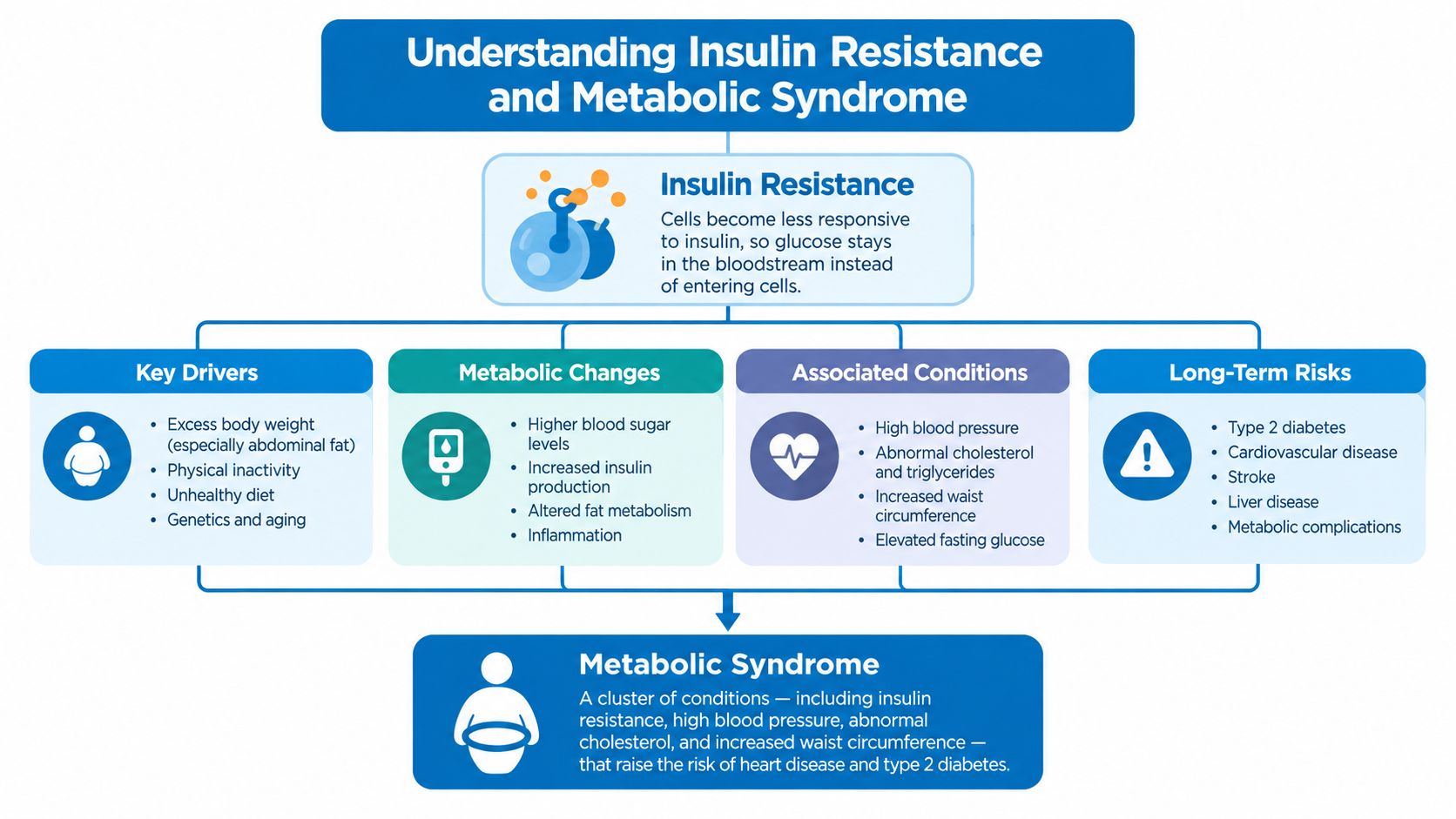
It can feel like a complex puzzle, but your BMR really comes down to the interplay of three core areas.
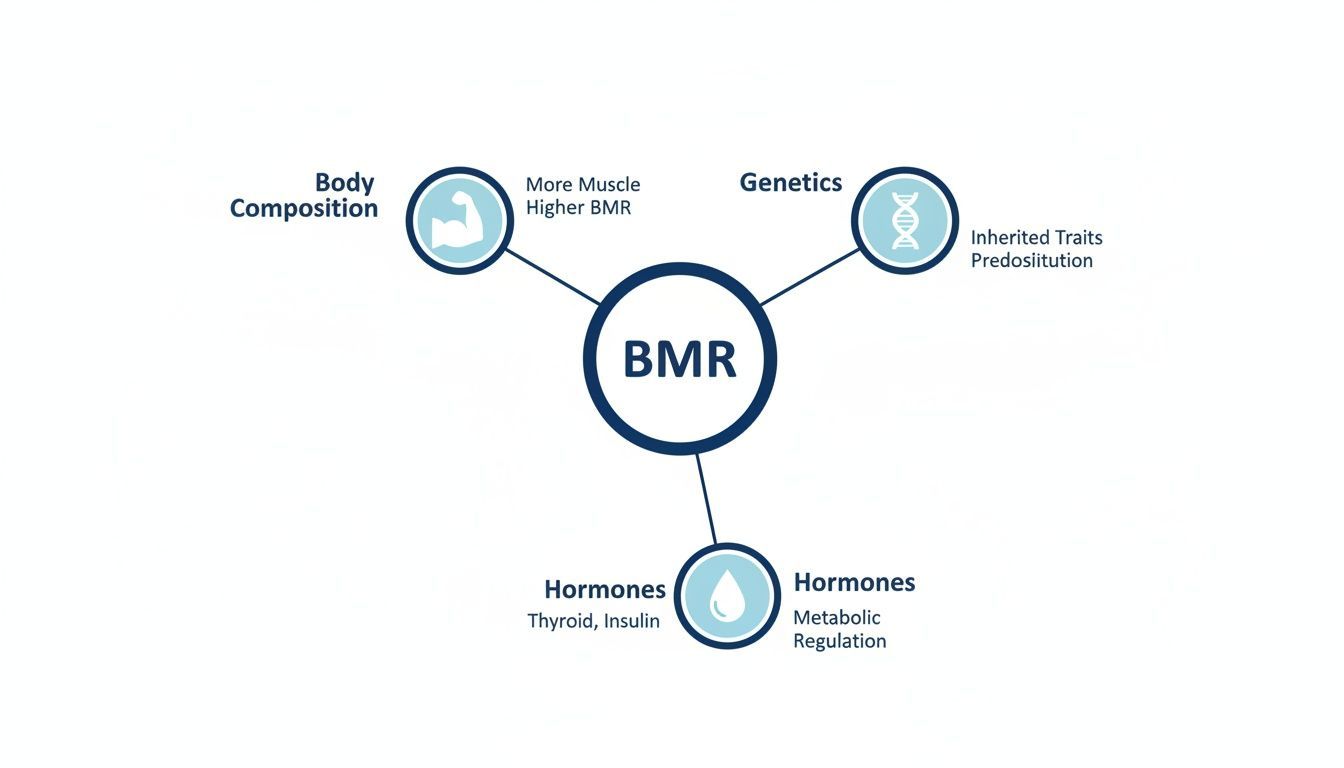
As you can see, your BMR is a blend of your body’s physical makeup (muscle vs. fat), your genetic blueprint, and your unique hormonal environment.
Getting a handle on the forces that can raise or lower your BMR gives you powerful insight into how your body works. This knowledge is the starting point for building a truly personalized health plan. To help you get a better handle on these influences, we've created a quick-reference table.
Key Factors Influencing Your Basal Metabolic Rate
This table breaks down the primary internal and external factors that can either boost or slow down your BMR, giving you a snapshot of what we'll cover in this guide.
| Factor | Impact on BMR | Brief Explanation |
|---|---|---|
| Body Composition | Higher Muscle = Higher BMR | Muscle is more metabolically active than fat, burning more calories even at rest. |
| Genetics | Variable | Your DNA plays a significant role in setting your baseline metabolic speed. |
| Sex | Males > Females | Men typically have more muscle mass and less body fat, leading to a higher BMR. |
| Age | Decreases with Age | BMR naturally declines, primarily due to age-related muscle loss and hormonal changes. |
| Thyroid Hormones | Direct Impact | An underactive thyroid (hypothyroidism) lowers BMR; an overactive one (hyperthyroidism) raises it. |
| Sex Hormones | Direct Impact | Changes in estrogen, progesterone, and testosterone directly influence metabolic rate. |
| Fever/Illness | Increases BMR | Your body works harder (and burns more energy) to fight off infection and repair itself. |
| Extreme Temperatures | Increases BMR | Your body expends energy to maintain its core temperature, whether from cold or heat. |
| Nutrition (Dieting) | Can Decrease BMR | Severe calorie restriction can trigger the body to conserve energy, slowing metabolism. |
| Physical Activity | Increases BMR | Regular exercise, especially strength training, builds muscle and boosts your resting metabolism. |
| Sleep | Poor Sleep = Lower BMR | Lack of quality sleep can disrupt metabolic hormones and slow your BMR. |
| Medications | Variable | Certain drugs, like steroids or beta-blockers, can alter your metabolic rate. |
Understanding where you stand is the first step toward taking control. By exploring your options for preventative wellness solutions with our team, you can start building a clear and actionable picture of your metabolic health. The rest of this guide will dive deep into each of these factors, explaining how they work together and what you can do to support your metabolism for the long haul.
The Two Biggest Factors You Can’t See: Body Composition and Genetics
When the numbers on the scale won’t budge or you’re struggling with persistent fatigue despite your best efforts, it’s easy to get frustrated. The truth is, two of the most powerful forces dictating your metabolic speed are completely invisible: your body composition and your genetics.
These two elements work silently in the background, setting the fundamental pace for how your body burns energy. Understanding them is key to figuring out why you might not be seeing the results you expect and why a personalized medical approach is so essential.
Body Composition: The Muscle vs. Fat Equation
A simple way to think about this is to picture your body as having two different types of tissue. Fat tissue is like a storage unit—it’s passive and doesn't require much energy to maintain. Muscle, on the other hand, is like a power plant, constantly humming and drawing energy just to exist.
This makes muscle far more metabolically active than fat. It torches calories even when you’re sound asleep.
Your lean muscle mass is your body's primary metabolic engine. The more muscle you have in proportion to fat, the higher your BMR will be. You essentially turn your body into a more efficient calorie-burning machine, 24/7.
The difference is staggering. Pound for pound, muscle tissue burns significantly more calories than fat tissue does at rest. This is why building and maintaining muscle is so critical for metabolic health, especially as we age. Research consistently shows a strong link between muscle and metabolism, and studies have found that a dedicated resistance training program can boost your BMR. That might not sound like much, but it can translate to hundreds of extra calories burned every single day.
This is also why two people who weigh the exact same can have completely different metabolisms and body shapes. A 180-pound person with a high percentage of lean muscle will burn far more calories at rest than a 180-pound person with a higher percentage of body fat.
Your Genetic Blueprint
Next, we have genetics. Think of your genes as the initial metabolic hand you were dealt at birth. They play a real role in establishing your baseline BMR, influencing everything from how easily you build muscle to how efficiently your cells produce energy.
This genetic lottery is why you probably know someone who seems to eat anything and never gains an ounce, while you may have to be much more conscious of your choices. It’s simply a reflection of natural human variation.
But here’s the most important thing to remember: your genes are not your destiny. They are a starting point, not a final verdict.
- You can’t change your DNA: The genetic instructions for your metabolism are set.
- But you can change how your genes are expressed: Your lifestyle—what you eat, how you move, how you sleep, and your hormonal health—is what tells those genes how to behave.
The real power comes from focusing on what you can control. You can’t rewrite your genetic code, but you can absolutely build more of that calorie-burning lean muscle and balance your hormones. By committing to strength training, fueling your body with the right nutrition, and seeking expert medical guidance, you learn to work with your unique biology. This is how we help you optimize your metabolic health and build a stronger, more resilient body, no matter what your genetic starting line looks like.
Hormones: The Dial on Your Metabolic Thermostat
If genetics and body composition build the house, your hormones are what control the thermostat. They are the chemical messengers telling your body exactly how fast or slow it should be running, directly influencing your basal metabolic rate. When this system is working in harmony, your energy burn is consistent and predictable.
But when hormones get out of sync, that thermostat can feel broken. It might get stuck on high, leaving you feeling wired and anxious, or—more commonly for many of our patients—stuck on low.

This is a story we hear almost every day at Pause Medical. People come to us feeling exhausted and frustrated, fighting a battle against weight gain and fatigue even when they feel like they’re doing everything right. Very often, a hormonal shift—from thyroid dysfunction to menopause or andropause—has quietly turned down their metabolic furnace.
The Thyroid: Your Body’s Master Metabolic Switch
The command center for this whole operation is a small, butterfly-shaped gland at the base of your neck: the thyroid. It is the undisputed master controller of your metabolism, producing hormones—mainly T3 and T4—that travel to every cell in your body, telling them how much energy to burn.
When your thyroid function is on point, your BMR hums along nicely. But even tiny fluctuations can have a massive domino effect.
- Hypothyroidism (Underactive Thyroid): If your thyroid isn't producing enough hormones, it's like turning down your body's thermostat to its lowest setting. Your entire system slows. BMR can plummet, leading to nagging fatigue, brain fog, and stubborn weight gain that just won't budge.
- Hyperthyroidism (Overactive Thyroid): On the flip side, an overactive thyroid floods your system with hormones, throwing your metabolism into overdrive. This often causes anxiety, a racing heart, and unintended weight loss as your body burns through calories at a frantic, unsustainable pace.
The thyroid's influence is staggering. In cases of significant hypothyroidism, a person's BMR can drop by as much as 30-40%, according to the American Thyroid Association. This alone can cause unexplained weight gain, simply because the body isn't burning the calories it used to. An overactive thyroid, meanwhile, can dramatically increase BMR.
The Role of Sex Hormones in Your Metabolic Rate
While the thyroid holds the top spot, it doesn’t work alone. Your sex hormones—estrogen, progesterone, and testosterone—also play a critical part in metabolic health, especially as we navigate major life transitions like perimenopause, menopause, and andropause.
Their impact is often tied directly to body composition. These hormones are essential for maintaining metabolically active muscle. As they decline with age, our muscle-to-fat ratio tends to shift, triggering a natural but frustrating slowdown in BMR.
- Estrogen & Menopause: As estrogen levels decline during menopause, many women notice a distinct change. It becomes harder to maintain muscle and easier to accumulate fat, especially around the midsection. This shift in body composition is a direct hit to BMR.
- Testosterone & Andropause: Men experience a similar, though more gradual, decline in testosterone with age (sometimes called andropause). Testosterone is a powerhouse for building and keeping muscle. As levels fall, men often find themselves losing muscle mass and gaining fat, which inevitably slows their resting metabolism.
Hormonal balance truly is a delicate dance. For example, testosterone's role in muscle development is a key reason men typically have a 5-10% higher BMR than women of the same size and age. These changes are not just numbers; they have real-world consequences you can feel every day.
To give you a clearer picture, here’s a breakdown of how these key hormones affect your metabolism.
Hormonal Impact on Basal Metabolic Rate
| Hormone | Effect of Imbalance on BMR | Common Symptoms We Address at Pause Medical |
|---|---|---|
| Thyroid Hormones (T3/T4) | Low levels significantly decrease BMR. High levels significantly increase BMR. | Fatigue, weight gain/loss, brain fog, cold intolerance, hair loss, anxiety. |
| Estrogen | Declining levels (menopause) lower BMR by promoting fat storage and muscle loss. | Weight gain (especially belly fat), hot flashes, mood swings, sleep disturbances. |
| Testosterone | Low levels (in men and women) decrease BMR by making it harder to build and maintain muscle mass. | Loss of muscle, increased body fat, low libido, fatigue, decreased motivation. |
This table shows just how interconnected your hormones are with your daily energy and well-being.
If you’re wrestling with symptoms like unexplained weight gain, constant fatigue, or low energy that you suspect are tied to hormonal shifts, getting a proper medical evaluation is the right next step. At Pause Medical, our expert providers focus on identifying and treating the root cause. For many, personalized interventions like medically supervised Hormone Replacement Therapy (HRT) can help restore balance, recalibrate your metabolic thermostat, and get your body working with you again, not against you.
How Age and Life Stages Influence Your Metabolism

Your metabolism isn't set in stone. It’s a dynamic part of your physiology that naturally changes as you move through life. If you feel like your body's "calorie-burning engine" doesn't run as hot as it once did, you're not imagining things. It's a normal part of aging, but that doesn't mean you're powerless against it.
Many of us first notice this subtle shift sometime after age 30. But it often becomes much more obvious during the major hormonal transitions of midlife—menopause for women and andropause for men. Understanding why this happens is the first step in working with your body, not against it.
The Gradual Metabolic Decline with Age
Our basal metabolic rate (BMR) peaks in early childhood to fuel incredible growth and then begins a slow, steady descent that continues for the rest of our adult lives.
This gradual slowdown is driven by two key factors: a natural loss of muscle and a shift in our hormonal environment. As we get older, we tend to lose metabolically active muscle tissue in a process called sarcopenia. At the same time, hormonal changes often encourage the body to accumulate more fat tissue, which burns far fewer calories at rest.
Research shows a predictable dip in BMR of about 2-3% per decade after age 30. By the time you're 60, your metabolism might be 15-20% slower than it was in your younger years. This is a huge reason why weight gain and fatigue can creep in. For more on this, you can explore the science behind metabolic changes with age.
It’s a frustrating reality. Even if your diet and workouts haven't changed one bit, your body simply needs less energy to maintain itself than it did a decade ago. This is where a personalized, medically guided approach becomes crucial.
Menopause and Andropause Accelerate the Change
That slow metabolic decline can feel like it hits the fast-forward button during perimenopause, menopause, and andropause. These life stages are marked by significant drops in key hormones like estrogen and testosterone, both of which play a vital role in maintaining muscle and metabolic function.
- For Women (Menopause): As estrogen levels fall, the body becomes more inclined to store fat, especially around the midsection. Combine that with accelerated muscle loss, and you've got a double whammy for your BMR. This is a common struggle we help patients overcome with personalized HRT plans.
- For Men (Andropause): The gradual decline in testosterone has a similar effect. Testosterone is a primary driver of muscle growth and maintenance, so when levels drop, it becomes much harder to hold onto that lean mass, causing the metabolic engine to slow.
This is a common reason why men might struggle to maintain their strength and energy with age. Learning more about treatment options, such as at-home testosterone replacement therapy (TRT), can offer insight into how this hormonal shift can be addressed with medical support.
Metabolic Boosts in Other Life Stages
While the general trend is a downward slope, certain life stages temporarily send your metabolism soaring. These periods are a powerful reminder of how responsive your BMR is to your body's changing demands.
The most dramatic examples are pregnancy and lactation. During pregnancy, a woman's BMR can increase by up to 25% to support the growth of the fetus. This metabolic fire keeps burning—and can even get hotter—during lactation, as producing milk for a baby requires a significant amount of extra energy.
Once you understand that your metabolism is supposed to change, you can shift from frustration to empowerment. With the right strategies and personalized guidance from a medical expert, you can navigate these transitions and feel vital at every age.
Lifestyle Choices That Can Boost Your BMR
While we can’t change our genes or turn back the clock, our daily habits give us a surprising amount of control over our metabolism. The choices you make every day are the levers you can pull to fine-tune your body's metabolic engine. However, it's important to approach this strategically.
So many people fall into the trap of thinking that a crash diet is the quickest way to jumpstart their metabolism. Unfortunately, this almost always backfires. When you slash your calories too drastically, your body doesn't know you're trying to lose weight; it thinks a famine has hit. It instinctively shifts into "conservation mode," slowing down your BMR to conserve precious energy.
This metabolic slowdown is a natural survival mechanism, but it's what makes extreme dieting so frustrating and unsustainable. A smarter, more effective strategy is to focus on consistent, science-backed lifestyle changes that support your metabolism for the long haul—often with the support of a medical team.
Prioritize Protein and Build Muscle
The single most important factor for a healthy BMR is your lean muscle mass. As we’ve covered, muscle is a metabolic powerhouse, burning far more calories at rest than fat does. That means the two most powerful things you can do are to build muscle through strength training and feed those muscles with enough protein.
- Strength Training: Lifting weights, using resistance bands, or even doing bodyweight exercises like squats and push-ups sends a direct signal to your body: "We need this muscle!" This process not only builds new muscle tissue but also helps you hold onto what you have, directly fighting the natural muscle loss that comes with age and boosting your resting metabolism.
- Adequate Protein Intake: Protein provides the raw materials your body needs to repair and build muscle. It also has a higher thermic effect of food (TEF) than carbs or fat, which means your body actually burns more calories just digesting it. Ensuring adequate protein supports muscle synthesis and helps with satiety.
Think of protein as the essential building blocks for your metabolic engine—your muscles. Without a steady supply, you can't make the repairs and upgrades needed to keep your BMR running efficiently. This is especially critical during medical weight loss to ensure you're shedding fat, not metabolically active muscle.
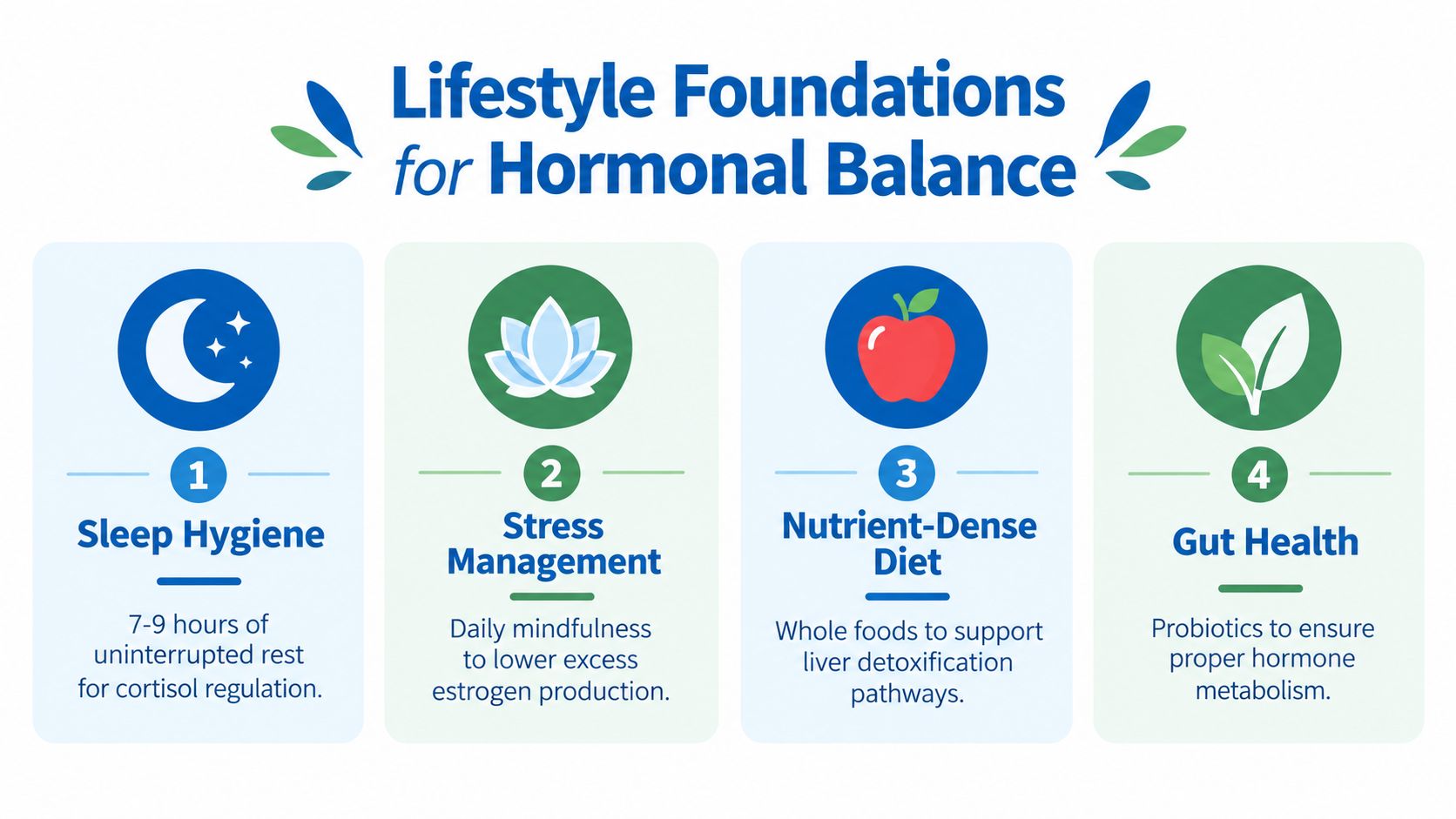
Get Quality Sleep to Regulate Hormones
Never underestimate the power of a good night's sleep for hormonal and metabolic health. When you skimp on sleep, you throw key metabolic hormones like leptin and ghrelin into chaos, increasing hunger and cravings.
This hormonal disruption not only triggers intense cravings for high-calorie foods but can also directly slow down your BMR. Aiming for 7-9 hours of quality sleep each night is one of the best things you can do to keep these hormones balanced. A regular sleep schedule helps reset your internal clock, promoting a stable metabolic rate. For those finding it difficult to lose weight, our medical weight loss program can offer the guidance needed to integrate these crucial habits effectively.
Embrace Everyday Movement and Don't Overdo Cardio
While a dedicated workout is great, don't forget about all the little movements you do throughout the day. This is called Non-Exercise Activity Thermogenesis (NEAT), and it covers everything from fidgeting at your desk to walking to your car or doing chores around the house.
All these small activities really add up. Simply making a conscious effort to sit less—by taking the stairs, standing up to stretch every hour, or going for a quick walk on your lunch break—can make a huge difference in your total daily calorie burn.
Finally, a word on cardio. While it’s fantastic for your heart, focusing only on cardio without also doing strength training can sometimes work against your BMR goals. The best approach is a balanced routine that combines both—use strength training to build your metabolic engine and cardio to keep it running strong.
How to Take Control of Your Metabolic Health

Learning about all the factors that influence your basal metabolic rate is one thing. Figuring out what to do with that information is another challenge entirely. It can be a relief to finally understand that your metabolism isn't just about calories in, calories out—it’s a complex web of hormones, genetics, body composition, and daily habits.
Many patients come to us at Pause Medical feeling frustrated, often saying it feels like their own body is working against them. If you’ve been fighting an uphill battle with a sluggish metabolism and unexplained weight gain, please know you’re not alone, and you're not out of options.
A Personalized Path Forward
Real, sustainable change to your metabolic health simply can't come from a one-size-fits-all playbook. Your biology is unique, so your strategy should be, too. This is why our board-certified medical providers create personalized treatment plans based on an integrative approach.
Our first step is always to listen. Then, we use comprehensive lab work and a thorough evaluation to get to the root cause of what’s happening in your body. From there, we can turn this knowledge into a clear, actionable plan.
This often means addressing the core issues driving your metabolic slowdown:
- Hormonal Imbalance: For many people, especially those navigating menopause or andropause, bringing hormones back into balance with Hormone Replacement Therapy (HRT) can be the key to kickstarting metabolic function.
- Medical Weight Loss: When appropriate, our medical weight loss programs, which can include tools like GLP-1 medications, offer a structured, medically supervised path toward your goals while prioritizing your overall health.
- Nutritional Guidance: We work with you to move past the cycle of restrictive dieting. The goal is to develop eating patterns that properly fuel your body and support your BMR for the long haul. While general articles on things like high-quality supplements are a good start, our team provides deeply personalized nutritional counseling based on your specific needs.
At Pause Medical, we treat the person, not just the number on the scale. Our integrative medicine approach combines evidence-based treatments with a genuinely patient-focused method to help you do more than just "boost" your metabolism—we help you restore your energy and feel well again.
Your Next Step to Feeling Like Yourself Again
You've done the research. Now it’s time for answers tailored to you. If you’re tired of the fatigue, the struggle with your weight, and you have a strong suspicion that hormonal shifts are playing a role, we’re here to help.
Think of a consultation at Pause Medical as a conversation. It’s a dedicated time for you to share your struggles and for our expert medical team to explain how we can get to the bottom of it. By looking at the complete picture, we can develop a plan that puts you back in the driver's seat.
Stop guessing and start getting real solutions. Schedule a consultation today and let our compassionate, expert medical team create a personalized plan to help you take definitive control of your metabolic health.
Frequently Asked Questions About Basal Metabolic Rate
We've explored the science behind your metabolism, but now it's time to get practical. Let's tackle some of the most common questions our patients have about their basal metabolic rate. Here are the straightforward answers you need to move forward.
How can I accurately measure my BMR?
The most precise way to measure your BMR is with a clinical test called indirect calorimetry, which analyzes your oxygen consumption and carbon dioxide production at rest. However, this is not widely accessible.
Online calculators using formulas like the Mifflin-St Jeor equation can give you a decent ballpark figure, but they are just an estimate. For a truly useful picture, a number alone won’t cut it. A comprehensive evaluation, like the one we provide at Pause Medical, puts that number in context with essential lab work (like a full hormone and thyroid panel) and a full health assessment. That’s how you get an actionable plan, not just a data point.
Can supplements really boost my metabolism?
You’ll see countless bottles promising a metabolic miracle. While certain ingredients like caffeine can provide a small, temporary increase in metabolic rate, no supplement can replace the powerful impact of foundational health changes. Be skeptical of anything that sounds like a magic pill.
Lasting improvements to your BMR are built on a solid foundation: building lean muscle, getting your hormones in check, and eating a nourishing diet. If a sluggish metabolism is rooted in hormonal shifts, a medical intervention like Hormone Replacement Therapy (HRT) or thyroid treatment will offer a far more significant and sustainable solution than any over-the-counter supplement.
If my BMR is low, does it mean I have a thyroid problem?
It’s true that a low BMR is a classic sign of hypothyroidism, but it's just one piece of a larger puzzle. A low BMR is a symptom, not a diagnosis.
Other common culprits can slow your metabolism down, including:
- Low lean muscle mass (sarcopenia)
- Severe calorie restriction from chronic dieting
- Hormonal changes during menopause or andropause
- Poor sleep and high stress
The only way to know for sure is to stop guessing and get tested. A board-certified provider can order the right labs to conduct a thorough investigation and pinpoint the actual root cause of your symptoms.
How long does it take to increase my BMR?
That really depends on the root cause. If you’re focused on building muscle through strength training, it’s a long-term project. You’ll need consistency for several weeks and months to build enough muscle to significantly raise your resting metabolism, but those benefits are incredibly durable.
On the other hand, if the issue is hormonal—like an underactive thyroid or low testosterone—correcting the imbalance with medically supervised treatment can sometimes produce noticeable improvements in energy and metabolic function much more quickly. The fastest, safest path to results is always a personalized plan designed for your body’s unique needs.
Disclaimer: This article is for informational purposes only and does not constitute medical advice. The content is not intended to be a substitute for professional medical advice, diagnosis, or treatment. Always seek the advice of your physician or other qualified health provider with any questions you may have regarding a medical condition. Never disregard professional medical advice or delay in seeking it because of something you have read on this website.
Are you ready to stop guessing and start addressing the root cause of your metabolic concerns? The team at Pause Medical is here to provide the expert guidance and personalized care you deserve.
Schedule a consultation today to discover how a plan designed specifically for you can help restore balance and reclaim your vitality.