7 Best Medically Supervised Weight Loss Programs of 2026

Struggling with weight loss can feel like a lonely, frustrating battle. You have tried various diets, exercise plans, and countless apps, but the scale remains stubbornly stuck. If this sounds familiar, you are not alone. This struggle is often not a matter of willpower but a sign of complex underlying biological factors. For many, root causes like hormonal imbalances associated with menopause, andropause, or thyroid disorders, as well as metabolic syndrome and insulin resistance, can make sustainable weight loss feel nearly impossible. This is a common and valid experience, and there is a path forward.
This is where the best medically supervised weight loss programs make a profound difference. Unlike one-size-fits-all approaches, these programs are overseen by board-certified medical professionals who diagnose and treat the root causes of weight gain. They offer personalized plans that may include advanced treatments like GLP-1 medications (such as Semaglutide and Tirzepatide), hormone replacement therapy (HRT), and evidence-based lifestyle coaching to restore your metabolic health from the inside out. Beyond prescribed medications or specific diet plans, sustainable weight loss also hinges on making informed daily food choices, including incorporating effective healthy snacks for weight loss to support your metabolic goals.
In this guide, we will explore top-tier programs that offer a medical path to success. We will provide a direct, no-filler comparison of leading options, from specialized clinics like Pause Medical, which integrates hormone therapy with weight management for residents in Mississippi, to national telehealth platforms and world-renowned academic centers. Each profile includes a direct link and a clear overview of what to expect, helping you find the right fit for your specific health needs. Our goal is to empower you with the clear, evidence-based information needed to choose a program and finally achieve lasting results.
1. Pause Medical: Best for Integrated Hormone and Weight Management in Mississippi
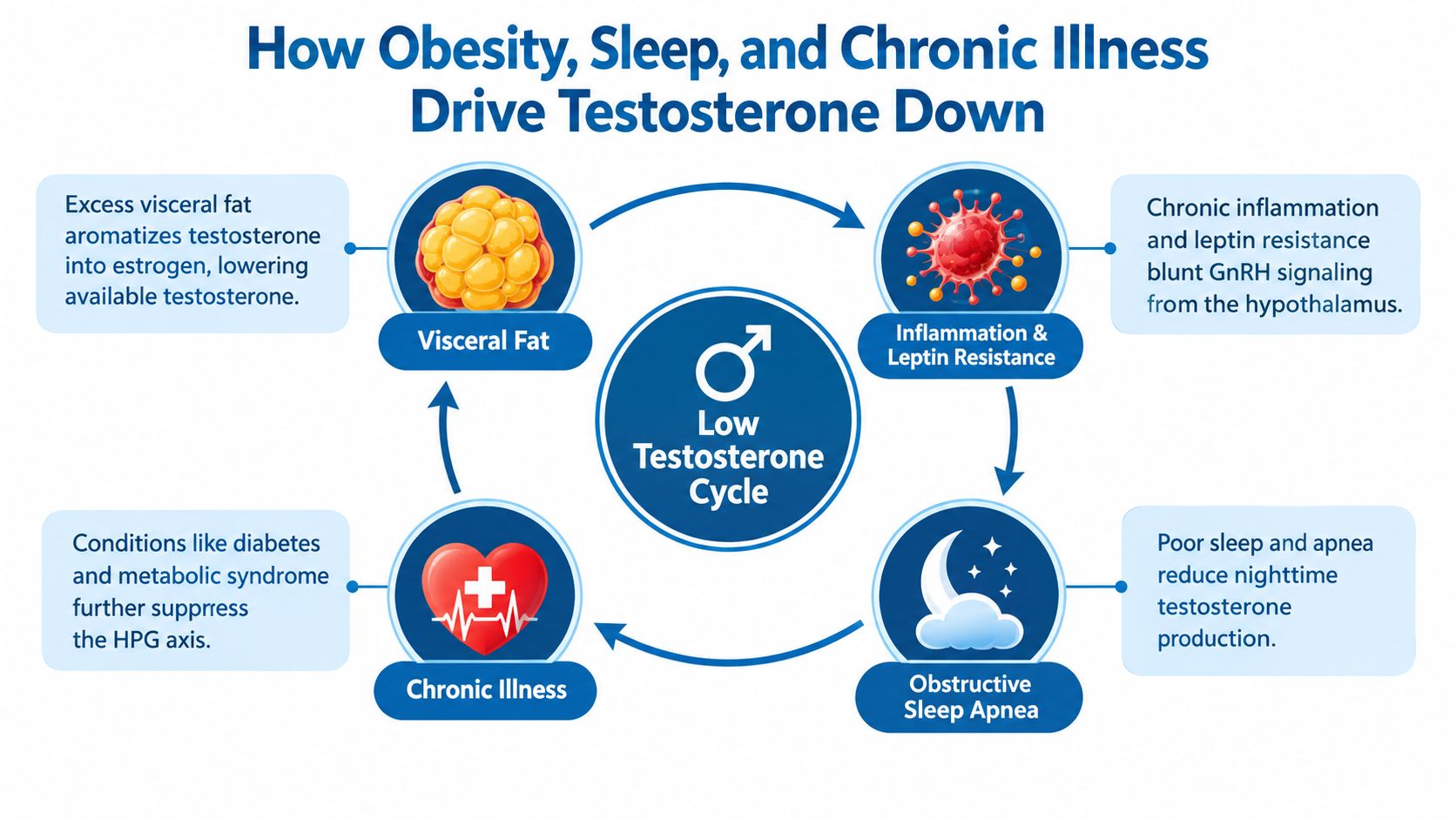
For adults in Mississippi struggling with weight that seems resistant to diet and exercise, Pause Medical presents a compelling, physician-led solution. This clinic stands out by directly connecting weight management to hormonal health, a critical link that is often overlooked in conventional programs. Instead of offering a one-size-fits-all diet plan, Pause Medical’s board-certified providers conduct thorough evaluations to identify and address the root causes of weight gain, such as hormonal imbalances related to menopause, andropause, or thyroid disorders. This integrative approach makes it a premier choice for individuals who suspect their weight struggles are tied to deeper metabolic or hormonal issues.
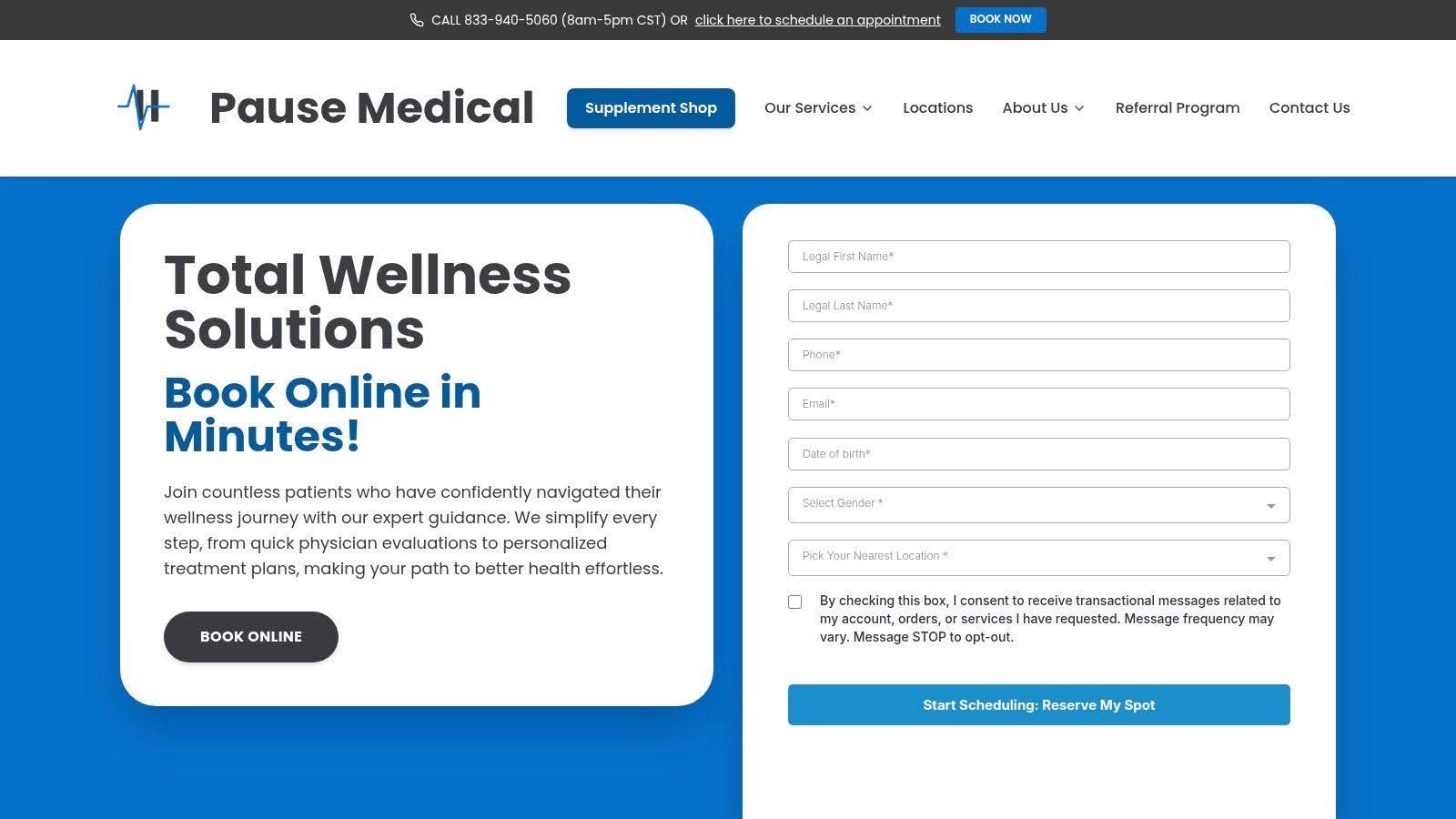
The patient experience is designed with an empathetic understanding of your journey, offering simplicity and direct access to care. New patients can schedule appointments online in just a few clicks, bypassing the typical hurdles of insurance referrals and long wait times. The clinic operates on a direct-to-patient model, meaning no insurance is required, which simplifies the process and provides clear, upfront communication about treatment plans and costs during the initial consultation. This patient-first philosophy is evident in their multiple positive testimonials, which frequently praise the staff's professionalism, compassion, and the clarity of their explanations.
What Makes Pause Medical Stand Out?
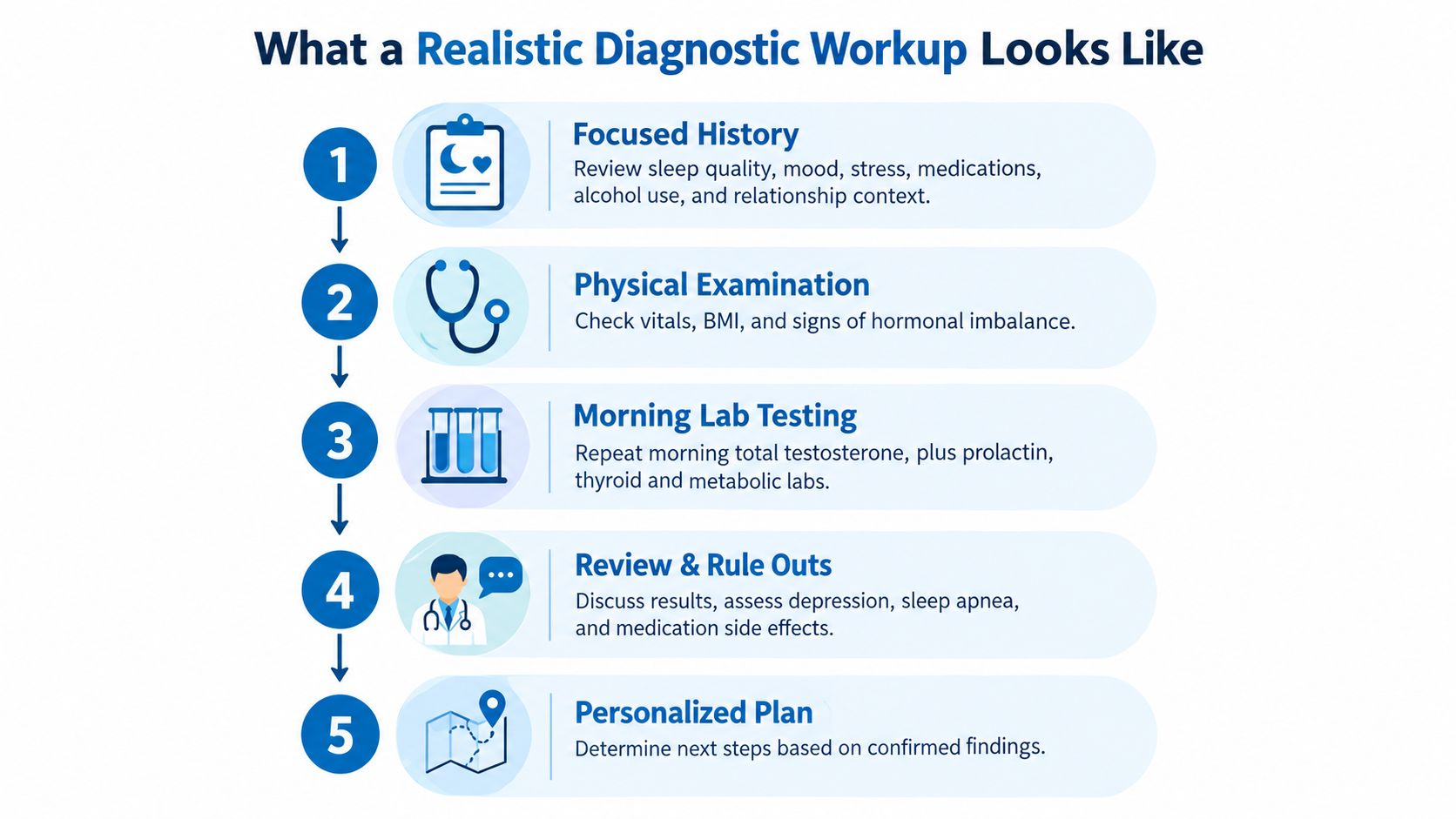
Pause Medical’s strength lies in its personalized and evidence-based treatment protocols. Following a comprehensive lab review and consultation, your dedicated provider creates a plan that may incorporate several advanced therapies to address your unique physiology.
- Hormone Replacement Therapy (HRT): For patients whose weight gain is linked to hormonal decline from menopause or andropause, bioidentical hormone replacement therapy (BHRT) can restore balance. According to studies published in journals like Menopause, HRT can help improve metabolism, reduce abdominal fat, and increase energy levels.
- GLP-1 Medications: The clinic offers leading GLP-1 receptor agonists (like Semaglutide and Tirzepatide), which are powerful, FDA-approved medications for weight management. These are prescribed under close medical supervision to ensure safety and effectiveness, helping to regulate appetite and improve insulin sensitivity.
- Disease Management: For patients with chronic conditions like thyroid disorders, diabetes, or metabolic syndrome, the medical team provides integrated care to manage the disease while addressing its impact on weight.
- Nutritional Supplements: Plans are supported by professional-grade supplements to correct nutritional deficiencies and support overall metabolic health.
This multi-faceted approach ensures that treatment addresses weight from several angles, leading to more sustainable and significant results. You can discover more about their medical weight loss programs and the science behind their methods on their website.
Practical Information and Considerations
Before booking, it's helpful to know how the process works and what to expect. The clinic operates with weekday hours (Monday–Friday, 8 am–5 pm CST) across five Mississippi locations: Oxford, Meridian, Tupelo, Flowood–Jackson, and Starkville. While this geographic focus is a major benefit for local residents, it limits access for those outside the state.
Pricing is not available online, as each treatment plan is customized. To get a cost estimate, you must schedule a consultation. This initial step is necessary for the providers to determine the right diagnostic tests and therapies for your specific health profile, ensuring you receive a truly personalized plan.
| Feature Summary | Details |
|---|---|
| Specialty | Integrated hormone therapy (HRT), disease management, and medical weight loss. |
| Key Treatments | GLP-1 medications, BHRT, disease management, nutritional supplements. |
| Accessibility | Five clinic locations in Mississippi; no insurance required. |
| User Experience | Simple online booking, direct patient communication, strong local reputation. |
| Primary Drawback | Geographically limited to Mississippi; no public pricing. |
Website: https://pausemedical.org
2. Cleveland Clinic — Medical Weight Management
For those seeking a deeply integrated, hospital-based approach to weight loss, the Cleveland Clinic’s Medical Weight Management program is a prime example of institutional excellence. This isn't a standalone clinic but a fully integrated service within a world-renowned health system. Its strength lies in its multidisciplinary structure, giving patients access to a coordinated team of specialists that few other programs can match, making it one of the best medically supervised weight loss programs available for complex cases.
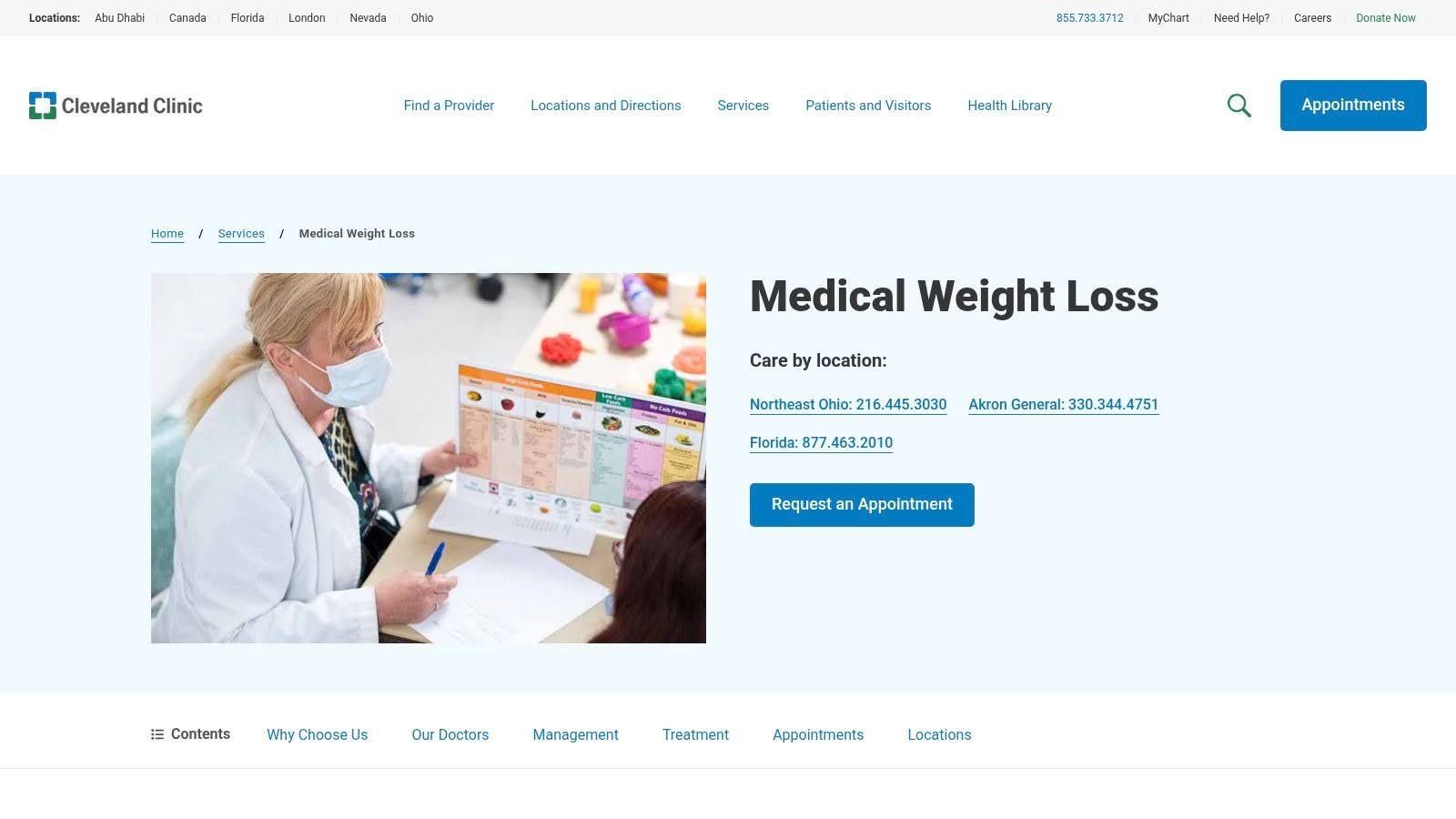
The program’s foundation is a personalized, stepwise treatment plan. It begins with a detailed evaluation by a provider specializing in obesity medicine. From there, your care may involve endocrinologists, gastroenterologists, psychologists, registered dietitians, and exercise physiologists. This team-based method is especially beneficial for individuals with comorbidities like diabetes, thyroid disorders, or metabolic syndrome, as it addresses weight management from every relevant medical angle. The clinic's approach aligns with the philosophy of treating the root cause, similar to the integrative methods used at specialized practices like Pause Medical, where hormone imbalances and metabolic function are primary considerations.
How the Program Works
The process is structured and methodical. After your initial assessment, a care plan is created that combines lifestyle adjustments with medical interventions when appropriate. This can include FDA-approved anti-obesity medications like GLP-1 agonists. A key feature is the structured follow-up model, with monthly check-ins built into the system. These regular appointments are crucial for monitoring progress, adjusting medications, and providing ongoing support.
One of the clinic's defining advantages is its seamless pathway to higher levels of care. If lifestyle changes and medication do not yield the desired results, the team can smoothly transition a patient to endoscopic or surgical bariatric options within the same health system, ensuring continuity of care and a consistent medical record.
Access and Cost
Availability: The Cleveland Clinic’s in-person services are primarily located in Ohio and Florida. Telehealth options have expanded, but availability for new patients can vary significantly by state and insurance plan.
Cost: The program does not have a flat-fee or subscription model. Services are billed to health insurance, which means costs will depend entirely on your individual plan’s copays, deductibles, and coverage for specialist visits and medications.
Pros:
- Nationally recognized health system with evidence-based protocols.
- Access to a wide range of subspecialists under one roof.
- Clear escalation pathways to surgical options if needed.
Cons:
- Primarily accessible to patients in Ohio and Florida.
- Costs are variable and depend heavily on insurance coverage.
Website: https://my.clevelandclinic.org/services/medical-weight-loss-treatment
3. Duke Health — Lifestyle & Weight Management Center
With over 50 years of history, the Duke Lifestyle & Weight Management Center stands as a pillar of academic-backed, long-term weight management. This program is deeply rooted in Duke Health's extensive medical system, providing a framework that emphasizes gradual, sustainable habit change under the close supervision of obesity-medicine specialists. Its longevity and commitment to an integrated care model make it a strong contender for one of the best medically supervised weight loss programs, especially for those who value a strong behavioral science component.

The center's philosophy is built on the understanding that successful weight loss is more than a diet; it’s a fundamental change in behavior and lifestyle. Patients receive care from a coordinated team that includes physicians, registered dietitians, exercise physiologists, and behavioral health counselors. This approach is particularly effective for creating lasting change, as it addresses the psychological aspects of eating and activity. For programs focused on long-term behavioral change, integrating psychological support can be highly beneficial; resources for finding a psychologist can complement a comprehensive weight management plan. Similar to the patient-first approach at clinics like Pause Medical, Duke’s model prioritizes addressing the root causes of weight gain, not just the symptoms.
How the Program Works
Your journey begins with a comprehensive medical consultation to assess your health status, history, and goals. Based on this evaluation, the team designs a personalized program that integrates nutrition education, a structured exercise plan, and behavioral counseling. Medical management, including the use of FDA-approved weight-loss medications like GLP-1s, is a core component and is prescribed when medically appropriate.
A distinctive feature of the Duke program is its strong emphasis on behavioral health. The consistent support from counselors helps patients navigate challenges, build resilience, and develop a healthier relationship with food and their bodies. The program's structure is designed for steady, consistent progress, with ongoing medical supervision ensuring that your treatment plan remains safe and effective as your needs evolve. Like other top-tier medical systems, care is coordinated across Duke Health, providing seamless access to other specialists if comorbidities are present.
Access and Cost
Availability: In-person services are centered at their facility in Durham, North Carolina. Telehealth appointments may be available for patients, but slots can be limited, especially for those living outside of the state.
Cost: The program does not have a publicly listed flat fee. Services are billed through health insurance, and costs are dependent on your specific plan's coverage for specialist visits, diagnostic tests, and medications. Obtaining insurance authorization is often a necessary first step.
Pros:
- Over 50 years of program history within a leading academic medical center.
- Strong focus on behavioral change with integrated psychological support.
- Multidisciplinary team of physicians, dietitians, and exercise physiologists.
Cons:
- Primarily centered in North Carolina, with limited access for out-of-state patients.
- No transparent pricing; costs are entirely dependent on insurance.
Website: https://www.dukehealth.org/locations/duke-lifestyle-and-weight-management-center
4. Mass General (MGH) — Weight Center
As a flagship academic medical center, the Mass General (MGH) Weight Center provides a powerful, research-driven approach to weight management. This program stands out for its deep integration of clinical care, scientific research, and education, offering patients access to leading experts and advanced treatments. Its multidisciplinary framework makes it one of the best medically supervised weight loss programs for adults and children, particularly for those who benefit from a setting where treatment protocols are actively being studied and refined.
The center's philosophy is grounded in providing a full spectrum of care under one roof. Patients begin with a thorough evaluation to determine the most suitable path, which could range from intensive lifestyle coaching to medical or surgical intervention. A key strength is its cohesive team of specialists, including obesity medicine physicians, dietitians, behavioral health specialists, and surgeons. This coordinated care is especially beneficial for addressing complex health issues that often accompany excess weight, such as metabolic syndrome or hormone-related conditions. This focus on treating the whole person aligns with the principles of integrative practices like Pause Medical, which prioritize uncovering root causes, such as hormonal imbalances, to achieve sustainable health outcomes.
How the Program Works
The patient journey at the MGH Weight Center is structured to provide clear, progressive options. After the initial assessment, a personalized care plan is developed. The non-surgical track focuses on intensive lifestyle treatment, which includes nutritional guidance, behavioral therapy, and physical activity planning. When clinically indicated, this is supplemented with advanced medication management, including GLP-1 agonists and other FDA-approved anti-obesity drugs.
What makes this program distinct is its seamless integration between medical and surgical pathways. If a patient's progress with non-surgical methods is insufficient, the team facilitates a smooth transition to endoscopic procedures or bariatric surgery within the same center. This continuity ensures that the patient’s history and progress are well-understood by the entire care team. Another notable feature is the inclusion of both pediatric and adult programs, offering specialized care for the whole family.
Access and Cost
Availability: In-person services are concentrated at its Boston, Massachusetts campus. While telehealth may be available for follow-ups, initial consultations and certain services often require travel for out-of-state patients.
Cost: The MGH Weight Center does not operate on a subscription or flat-fee basis. All services are billed through health insurance. Your final cost will be determined by your specific insurance plan's deductibles, copayments, and coverage for specialist visits, procedures, and medications.
Pros:
- A leading academic medical center with access to cutting-edge research and treatments.
- Fully integrated care pathways from lifestyle and medical management to surgery.
- Offers both adult and pediatric programs, providing comprehensive family care.
Cons:
- In-person services are primarily limited to the Boston area.
- Wait times for appointments can be longer due to high demand.
- Costs are variable and highly dependent on individual insurance contracts.
Website: https://www.massgeneral.org/weightcenter
5. Johns Hopkins — Healthful Eating, Activity & Weight (HEAW) Program
For individuals who trust the rigor and academic backing of a world-class university hospital, the Johns Hopkins Healthful Eating, Activity & Weight (HEAW) Program offers a structured, evidence-based path to weight management. This program is led by internal medicine physicians who are board-certified in obesity medicine, ensuring a high standard of clinical care. Its strength is its curriculum, which is adapted from the landmark Look AHEAD (Action for Health in Diabetes) study, making it one of the best medically supervised weight loss programs for those who value proven, research-backed methodologies.
The program's philosophy centers on creating sustainable lifestyle changes through education, group support, and medical oversight. A unique aspect of the HEAW Program is its blend of group sessions and one-on-one clinician time. This format not only fosters a sense of community and shared accountability but also ensures each patient receives personalized medical attention. Similar to the patient-focused model at clinics like Pause Medical, where understanding the individual’s metabolic and hormonal status is a prerequisite to treatment, the Johns Hopkins program begins with a thorough medical evaluation to create a safe and effective plan.
How the Program Works
The journey begins with an initial consultation with an obesity medicine physician to review your medical history, perform a physical exam, and discuss your weight loss goals. This assessment determines your suitability for the program and establishes a baseline for treatment. Following this, patients engage in a structured curriculum that often includes group meetings, available both in-person and online, covering topics from nutrition and physical activity to behavioral strategies.
A key feature is the integration of medical management directly into the clinic visits. When appropriate, physicians will prescribe and manage FDA-approved anti-obesity medications, including GLP-1 agonists, as part of the comprehensive plan. The program also facilitates access to other Johns Hopkins specialists, such as psychologists and registered dietitians, for patients who require more specialized support, ensuring a well-rounded approach to health.
Access and Cost
Availability: In-person services are located at Johns Hopkins facilities in Maryland. The program offers online orientation and some tele-group options, which may expand access for certain patients, but the core medical oversight is typically tied to the physical locations.
Cost: The HEAW Program does not operate on a subscription or flat-fee basis. Instead, visits are billed to health insurance as specialist appointments. Your out-of-pocket costs will depend on your insurance plan’s specifics, including copays, deductibles, and coverage for both clinic visits and any prescribed medications.
Pros:
- Strong evidence-based curriculum adapted from the Look AHEAD study.
- Led by ABOM-certified physicians within a top-tier academic institution.
- Group format can build community and may offer a more affordable structure.
Cons:
- Limited availability for new patients due to high demand at a major academic center.
- Costs are not fixed and depend entirely on individual insurance plans and medication coverage.
Website: https://www.hopkinsmedicine.org/general-internal-medicine/clinical-services/lifestyle-weight/weightloss
6. Calibrate — Telehealth Medical Weight Loss (nationwide)
For individuals seeking a virtual, medication-inclusive approach to weight loss, Calibrate offers a structured program focused on what it terms a "metabolic reset." It stands out by combining clinician-prescribed GLP-1 medications with dedicated one-on-one video coaching and an app-based curriculum. This model is designed for nationwide accessibility, making it one of the best medically supervised weight loss programs for people who prefer a remote care model or lack local specialized options.
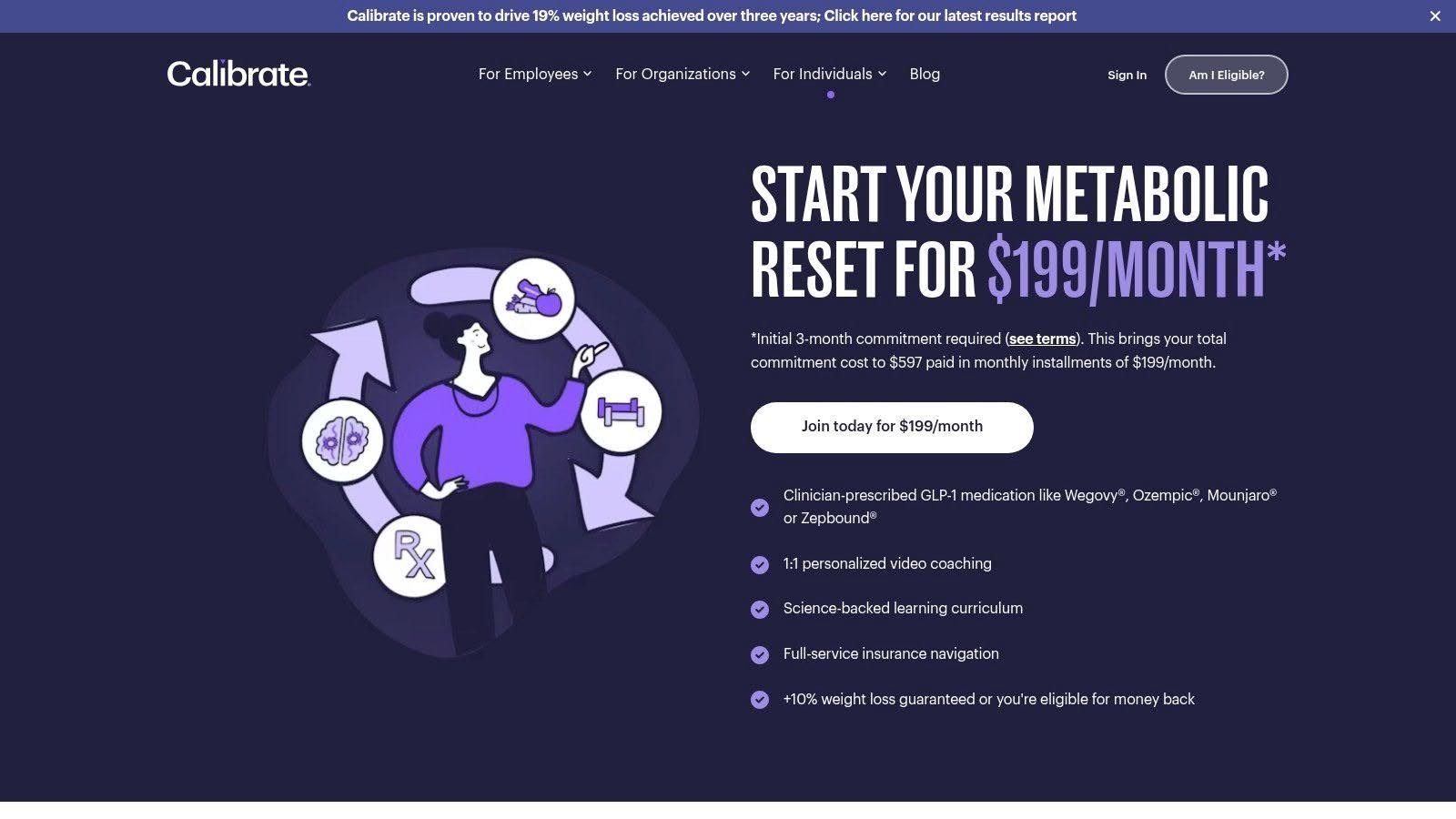
Calibrate’s core philosophy is that weight loss is not just about willpower but about biology. The program pairs the powerful effects of GLP-1 medications, when medically appropriate, with intensive coaching on four pillars of metabolic health: food, sleep, exercise, and emotional health. This dual approach acknowledges that medication is a tool, not a complete solution, and sustainable results depend on behavior change. This is similar to the integrative methods found at clinics like Pause Medical, where medical interventions are coupled with lifestyle adjustments to address the root causes of weight gain, such as hormone imbalances or metabolic dysfunction.
How the Program Works
The process begins with an initial telehealth consultation with a doctor to determine eligibility for the program and GLP-1 medications. If a prescription is appropriate, Calibrate's team handles the insurance prior authorization process to help secure coverage for medications like Wegovy or Ozempic. Members are then paired with an accountability coach for biweekly video sessions.
A significant feature is the structured curriculum delivered through its app, which includes lessons, recipes, and tracking tools for food, activity, and other metrics. The program's commitment is reflected in its outcomes-based guarantee, offering a partial refund to qualifying members who don't achieve at least 10% weight loss after completing the initial one-year program, though specific terms and conditions apply.
Access and Cost
Availability: The Calibrate program is available via telehealth in all 50 states.
Cost: The program has a base membership fee, which can be paid upfront or in monthly installments. The current cost is for the "One-Year Metabolic Reset" and includes all medical appointments, coaching sessions, and the insurance navigation service. This fee does not cover the cost of lab work or the medications themselves. Medication costs will vary based on your insurance plan's copay.
Pros:
- Nationwide telehealth access makes it convenient for nearly everyone.
- Strong emphasis on behavior change and lifestyle coaching alongside medication.
- Transparent base pricing and a dedicated team to navigate insurance for prescriptions.
Cons:
- Membership fee does not include the cost of medications or required lab work.
- Success with medication costs is heavily dependent on individual insurance coverage.
- The results guarantee has specific eligibility requirements and an initial program commitment.
Website: https://joincalibrate.com/pricing
7. Form Health — Virtual Medical Weight Loss Clinic
For individuals looking for the clinical rigor of a medical weight loss program with the convenience of telemedicine, Form Health offers a compelling solution. This virtual clinic distinguishes itself by staffing its teams with board-certified physicians (many holding ABOM certification) and registered dietitians. This combination ensures that both the medical and nutritional aspects of weight management are addressed in a coordinated fashion, making it a strong contender among the best medically supervised weight loss programs delivered digitally.

The program's core is its individualized care model, which begins with a detailed medical evaluation to determine eligibility. Form Health adheres to FDA criteria, typically requiring a BMI of 30 or greater, or a BMI of 27 or greater with a weight-related health condition. The integration of a physician and a registered dietitian for each patient allows for a plan that considers metabolic health, potential medication needs, and sustainable dietary changes. This focus on underlying metabolic function is similar to the philosophy at clinics like Pause Medical, where addressing the root causes of weight gain, such as hormone imbalances, is a central part of creating effective and lasting results.
How the Program Works
The patient journey starts with an initial virtual consultation with a physician to review your health history, conduct a medical evaluation, and create a personalized plan. This plan includes regular one-on-one video check-ins with your care team, which consists of both your doctor and a registered dietitian. The membership model bundles these ongoing appointments, support via their app, and plan adjustments.
If clinically appropriate, your physician may prescribe FDA-approved weight loss medications, including GLP-1 agonists. The team works with you and your insurance to manage prescriptions, although the cost of the medication itself is separate from the membership fee. This continuous, high-touch support system is designed to help patients build new habits, navigate challenges, and ensure medical protocols are followed safely.
Access and Cost
Availability: Form Health is a telemedicine service available in numerous states across the U.S. However, availability and the specifics of the program can differ based on state regulations and insurance partnerships.
Cost: The program is designed to work with health insurance, and prospective patients can verify their coverage directly on the Form Health website before committing. This is a significant benefit, as it provides cost clarity upfront. The membership fee covers the clinical care, but medication costs are separate and depend on your insurance plan’s pharmacy benefits.
Pros:
- Strong clinical foundation with ABOM-certified physicians and registered dietitians.
- Integrated team approach provides both medical and nutritional guidance.
- Ability to verify insurance coverage before enrollment.
Cons:
- Medication costs are not included and vary widely by insurance plan.
- Service availability and specifics may differ by state and insurance provider.
- Universal cash-pay pricing is not prominently displayed, as it often depends on employer or health plan partnerships.
Website: https://www.formhealth.co/?utm_source=openai
Top 7 Medically Supervised Weight Loss Programs — Comparison
| Program | Implementation Complexity 🔄 | Resource Requirements ⚡ | Expected Outcomes ⭐ | Ideal Use Cases 📊 | Key Advantages 💡 |
|---|---|---|---|---|---|
| Pause Medical | Low–Moderate: streamlined 3‑step in‑person workflow with physician visits. | Local clinic sites, in‑person clinicians, basic labs and meds; no insurance required. | Measurable metabolic and symptom improvements (energy, mood, libido, weight) with personalized HRT/weight plans. | Adults in Mississippi seeking convenient, personalized HRT and medically supervised weight‑loss without insurance paperwork. | Personalized evidence‑based plans, multiple local locations, strong patient testimonials. |
| Cleveland Clinic — Medical Weight Management | High: multispecialty coordination with standardized protocols. | Large multispecialty teams, subspecialty access, structured follow‑ups; typically insurance‑billed. | High‑quality, standardized non‑surgical care with clear pathways to endoscopic/surgical escalation. | Patients needing comprehensive obesity care and possible procedural escalation. | Nationally recognized system, protocolized care, smooth escalation to bariatric services. |
| Duke Health — Lifestyle & Weight Management Center | Moderate–High: integrated long‑term behavior and medical management. | Multidisciplinary staff (medicine, nutrition, exercise, behavioral health), program infrastructure. | Emphasis on sustained habit change and clinical oversight for long‑term weight control. | Patients seeking behavior‑change–focused care with academic resources and continuity. | 50+ years program history; strong behavior‑change support integrated with medical care. |
| Mass General (MGH) — Weight Center | High: academic, integrated medical and surgical pathways under one system. | Full academic resources: medical, endoscopic, surgical teams, research and education support. | Comprehensive medical and surgical options with research‑informed care and coordinated navigation. | Patients needing combined medical/surgical options, including pediatric and adult family care. | Flagship academic center with deep subspecialty coverage and research integration. |
| Johns Hopkins — HEAW Program | Moderate: MD‑led clinic with group and individual components following an evidence curriculum. | ABOM‑certified physicians, group visit infrastructure, psychology and nutrition integration. | Evidence‑based outcomes from structured curriculum; group visits can improve adherence. | Patients who prefer structured, academically vetted programs and group support (insurance may cover visits). | Look AHEAD–adapted curriculum, ABOM oversight, group format to reduce cost/increase adherence. |
| Calibrate — Telehealth Medical Weight Loss | Low–Moderate: virtual clinician + coach model with app‑based workflow and eligibility rules. | Telehealth platform, 1:1 coaching, clinician‑prescribed meds (GLP‑1 when eligible); insurance navigation for meds. | Clinically measurable weight loss combining medication and behavior change; outcomes guarantee for qualifying members. | Nationwide users who want virtual, structured metabolic reset with coaching and transparent pricing. | Transparent base pricing, nationwide access, strong behavior‑change focus and guarantee (terms apply). |
| Form Health — Virtual Medical Weight Loss Clinic | Low–Moderate: telemedicine visits with ongoing membership and follow‑ups. | ABOM‑certified clinicians, registered dietitians, telehealth infrastructure; insurance/payment variability. | Individualized medical and nutrition outcomes with ongoing adjustments; medication costs vary by coverage. | Patients seeking virtual ABOM‑led care with integrated RD support and insurance verification options. | Strong clinical pedigree (ABOM + RDs), integrated MD+RD team, ability to verify insurance coverage. |
FAQ: Answering Your Questions About Medical Weight Loss
To help you make an informed decision, here are answers to some frequently asked questions about medically supervised weight loss.
What is a medically supervised weight loss program?
A medically supervised weight loss program is a plan overseen by a board-certified physician or other qualified healthcare provider. Unlike commercial diets, it begins with a comprehensive medical evaluation to identify underlying causes of weight gain, such as hormonal imbalances, metabolic syndrome, or thyroid issues. Treatment is personalized and may include FDA-approved medications (like GLP-1s), nutritional counseling, and lifestyle modifications, all monitored by a medical expert.
How is this different from a regular diet?
A regular diet typically focuses only on calorie restriction and exercise. A medical program addresses the
biology behind why you gain and retain weight. For example, if hormonal decline during menopause is causing stubborn abdominal fat, a medical program can address it with hormone replacement therapy (HRT). Data from the
Journal of the American Medical Association (JAMA) shows that combining lifestyle intervention with medical treatment leads to significantly greater and more sustainable weight loss than lifestyle changes alone.
Who is a good candidate for medical weight loss?
You may be a good candidate if you:
- Have a BMI of 30 or higher (or 27 with a related condition like diabetes or high blood pressure).
- Struggle with weight gain accompanied by symptoms like fatigue, low libido, hot flashes, or sleep issues.
- Have a chronic condition like a thyroid disorder or metabolic syndrome.
- Have tried traditional diet and exercise programs without lasting success.
What are GLP-1 medications like Semaglutide and Tirzepatide?
GLP-1 receptor agonists are a class of FDA-approved injectable medications that mimic a natural hormone to help control appetite and blood sugar. Clinical trials, such as the STEP trials for Semaglutide, have shown they can lead to an average weight loss of 15% or more when combined with lifestyle changes. They are a powerful tool prescribed and monitored within a medical program to ensure safety and effectiveness.
Your Next Step: How to Choose the Right Program and Take Control of Your Health
Choosing from the best medically supervised weight loss programs is a major decision, but it's one that places you firmly in control of your health. As we've detailed, the most effective modern approaches move beyond the simplistic "eat less, move more" mantra. They dive deeper to address the complex biological systems, like hormonal balance and metabolic function, that truly govern weight and well-being. This article has showcased a range of excellent options, from leading academic institutions like Duke Health and Johns Hopkins to accessible telehealth platforms such as Calibrate and Form Health. Each program offers a structured, evidence-based path forward.
For residents in Mississippi, a local, high-touch option like Pause Medical provides an invaluable advantage. The ability to build an in-person relationship with your board-certified provider, who understands your unique health profile and can offer hands-on guidance, can make a significant difference. However, the core takeaway is universal: your success hinges on finding a program that sees you as an individual and is equipped to address the root cause of your struggle.
How to Select the Right Program for You
The "best" program is the one that aligns with your specific needs, lifestyle, and medical history. As you weigh your options, use the following framework to guide your decision-making process. This isn't just about picking a name from a list; it's about investing in a partnership for your health.
Step 1: Self-Assessment - Clarify Your Personal Needs
Before you make a single phone call, take a moment for honest reflection. Answering these questions will help you narrow the field considerably.
- Your "Why": Are you trying to manage a chronic condition like diabetes or metabolic syndrome? Are you struggling with symptoms of hormonal imbalance, such as fatigue, low libido, or brain fog, that coincide with weight gain? Understanding your primary motivation will point you toward a program with the right specialization.
- Logistics and Lifestyle: Do you prefer in-person appointments and a local support system, or does the convenience of virtual consultations better fit your busy schedule? Be realistic about what you can commit to.
- Budgetary Considerations: Review your finances. Do you have a budget for an insurance-free, direct-care model that offers more personalized attention, or do you need a program that works within your insurance network?
- Past Experiences: What has worked or not worked for you in the past? Identifying previous frustrations can help you find a program that addresses those specific shortcomings, such as a lack of support or a failure to address underlying medical issues.
Step 2: Program Vetting - Ask the Right Questions
Once you have a shortlist, it's time to become an informed patient. During a consultation or initial inquiry, a transparent, high-quality program will welcome your diligence.
- Provider Qualifications: "Who will be overseeing my care? Are they a board-certified physician? What is their specific experience with weight management, hormone therapy, and disease management?"
- Treatment Philosophy: "What is your approach to weight loss? Is the plan completely personalized? How do you use diagnostic testing, like blood work, to guide treatment and address root causes?"
- Medication and Interventions: "Do you prescribe medications like GLP-1 agonists (e.g., Semaglutide, Tirzepatide)? What is your process for determining if a patient is a good candidate? What other therapies, like BHRT, do you offer?"
- Support and Accountability: "What does the support structure look like? How often will I check in with my provider? Is there support available between appointments?"
Your Journey to Lasting Health Begins Now
The journey to sustainable weight loss is not about finding a quick fix; it's about understanding and rebalancing your body's intricate systems. The science of weight management has advanced significantly, offering powerful and effective solutions that were unavailable just a decade ago. It is completely understandable to feel frustrated with past failures, but hope is not lost. A better, evidence-based solution is available today.
The most crucial step is the first one: scheduling a consultation with a medical professional. An expert evaluation is the only way to get the clarity and personalized roadmap you need to finally achieve the lasting health and vitality you deserve.
At Pause Medical, our board-certified providers specialize in helping patients in Mississippi uncover the root causes of their weight gain, including hormonal imbalances and metabolic dysfunction. We create truly personalized, medically supervised weight loss programs that integrate advanced diagnostics with compassionate, one-on-one care. If you are ready to stop guessing and start addressing the real problem, we are here to help.
Ready to begin your personalized health journey? Schedule your consultation with a Pause Medical expert today.
Disclaimer: This article is for informational purposes only and does not constitute medical advice. The information contained herein is not a substitute for and should never be relied upon for professional medical advice. Always talk to your doctor about the risks and benefits of any treatment. The programs and services mentioned are subject to change and availability.