Unlocking the Mystery: What Causes Unexplained Weight Gain?

It’s one of the most maddening feelings in the world. You’re doing everything you’re “supposed” to—eating thoughtfully, trying to stay active—but the number on the scale is going in the wrong direction. If this sounds familiar, we want you to hear this loud and clear: it’s almost certainly not a lack of willpower.
More often than not, unexplained weight gain is a sign from your body that something deeper is off-balance. It’s a symptom, not the core problem. At Pause Medical, our board-certified team specializes in finding that root cause, because we know true wellness comes from addressing the source, not just chasing symptoms.
The Frustration on the Scale and What It Really Means
When the scale won't budge despite your best efforts, it’s easy to feel defeated and unheard. The standard "eat less, move more" advice falls flat because it completely ignores the intricate biological symphony that dictates your body weight. Your body isn't a simple calculator; it's a complex, interconnected system managed by hormones and metabolic signals.
Think of that creeping weight gain as your body’s "check engine" light. It's a visible signal of an invisible issue. We understand the frustration and are here to tell you: the problem isn't your effort—it's your biology asking for help.
The Usual Suspects: What's Driving the Weight Gain?
So, what’s really going on under the hood? From our experience helping countless patients reclaim their health, the answer usually lies in a few key areas that disrupt your body's natural state of balance. These aren't personal failings; they are medical conditions that need a clinical eye and a compassionate, evidence-based approach.
Let's look at the most common culprits:
- Hormonal Shifts: This is a big one, especially during life stages like menopause and andropause. Fluctuations in key hormones like cortisol (the stress hormone), thyroid hormones, estrogen, and testosterone can throw a wrench in your metabolism, causing it to slow down and hang onto fat.
- Metabolic Dysregulation: Conditions like insulin resistance are incredibly common. When your body becomes resistant to insulin, it can't use sugar for energy efficiently. Instead, that sugar gets stored as fat, especially around your abdomen. This is a core feature of metabolic syndrome.
- The Weight of Chronic Stress: Living in a state of constant stress keeps your body in a "fight-or-flight" emergency mode. This cranks up cortisol levels, which not only encourages fat storage but also revs up cravings for high-calorie comfort foods.
This diagram helps visualize how these factors are all tangled together.
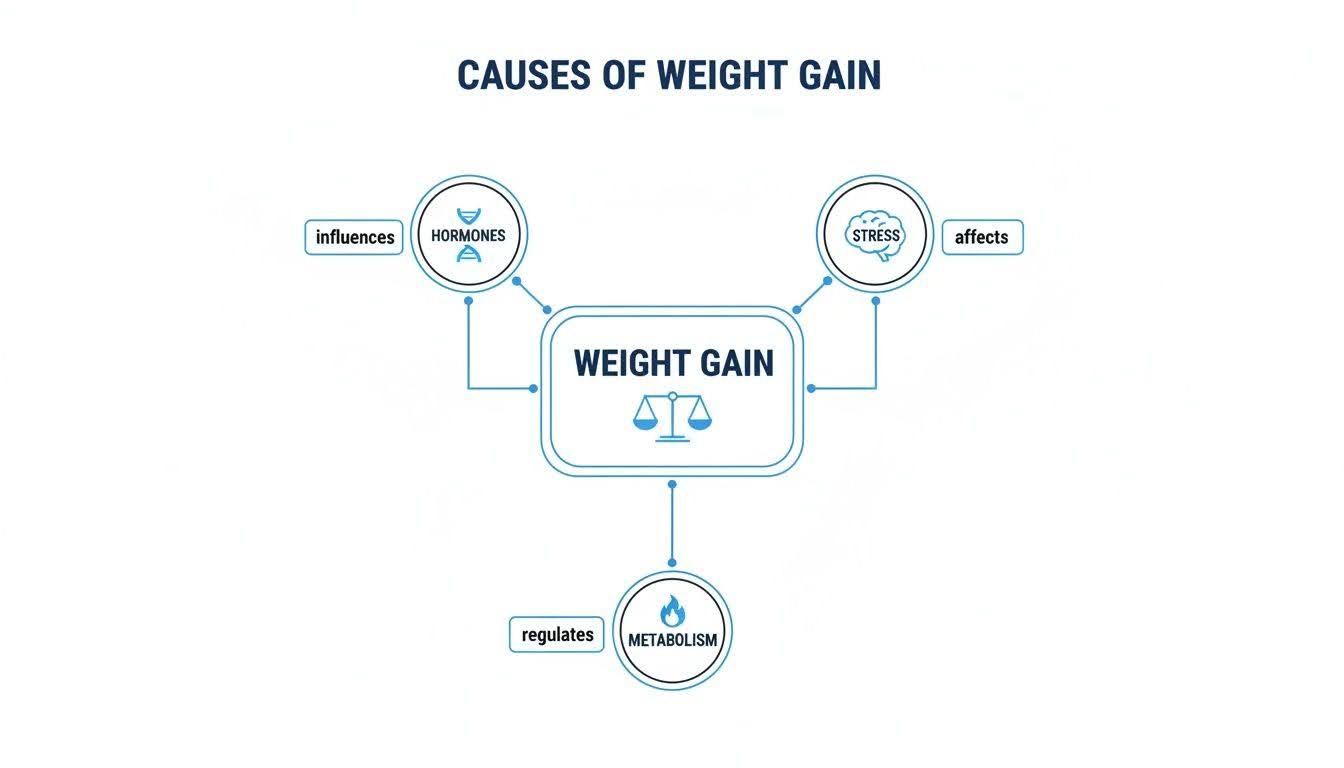
As you can see, hormones, stress, and your metabolism aren't working in isolation. They form a powerful feedback loop that controls how your body uses and stores energy. Our integrative medicine approach is designed to untangle this web.
To help you start connecting the dots, here’s a quick overview of these hidden drivers.
Common Hidden Causes of Unexplained Weight Gain
This table provides a quick summary of the primary categories that can lead to unexpected weight gain, helping you identify potential areas of concern.
| Category | Primary Driver | Common Symptoms |
|---|---|---|
| Hormonal Imbalances | Menopause, andropause, thyroid disorders (hypothyroidism), PCOS, high cortisol | Hot flashes, night sweats, fatigue, low libido, brain fog, irregular periods, hair thinning, mood swings |
| Metabolic Conditions | Insulin resistance, metabolic syndrome, prediabetes | Cravings for sugar/carbs, energy crashes after meals, fat storage around the midsection |
| Medication Side Effects | Antidepressants, steroids, beta-blockers, some birth control | Gradual weight gain that starts after beginning a new medication |
| Chronic Stress & Sleep | High cortisol, sleep deprivation | Feeling "wired but tired," poor sleep quality, increased appetite, difficulty losing weight |
Seeing your own experience reflected in these categories is often the first step toward getting answers. It validates that what you're feeling is real, has a biological basis, and is treatable with the right medical guidance.
At Pause Medical, our board-certified medical providers are experts at uncovering these root causes. We start by listening to your story and then use targeted diagnostics to create a personalized treatment plan, so we can finally turn that "check engine" light off.
Hormones and Metabolism: Your Body’s Internal Command Center

If you think of your metabolism as the engine burning calories for fuel, your hormones are the complex control panel telling it how fast to run. These chemical messengers are incredibly powerful, directing everything from your sleep and mood to your appetite and—most importantly for this conversation—how your body stores fat.
When that control panel starts to go haywire, it can signal your metabolism to slow right down. Suddenly, weight gain feels like it’s happening out of nowhere.
Let’s be clear: this isn’t about willpower. It’s pure biochemistry. You can be doing everything right—counting every calorie and never missing a workout—but if your hormones are sending the wrong signals, your body will stubbornly hang onto every pound. This is one of the most common—and most overlooked—reasons behind what causes unexplained weight gain.
When you understand this connection, you can start to see that the fatigue, low libido, and extra weight aren't separate problems. They are often symptoms of a single, treatable root cause.
The Thyroid: Your Metabolic Gas Pedal
Your thyroid gland is essentially the gas pedal for your metabolism. A healthy thyroid produces just the right amount of hormone to keep your body’s engine humming along at an efficient speed.
But when it becomes underactive, a condition known as hypothyroidism, it’s like trying to drive with the emergency brake engaged. Everything slows down. Your body burns fewer calories, leading to weight gain even when you haven't changed a single thing about your diet.
This is an incredibly common cause of unexplained weight gain. According to the National Institute of Diabetes and Digestive and Kidney Diseases (NIDDK), about 1 in 20 Americans age 12 and older have hypothyroidism. Women are far more likely to develop it, often experiencing a frustrating 5-10 pound weight gain that simply won't budge.
Menopause, Andropause, and Hormonal Shifts
Major life transitions for both men and women bring on huge hormonal shifts that directly change body composition.
- Menopause and Perimenopause: As estrogen levels drop, a woman's body naturally begins storing more fat, especially around the middle (visceral fat). This same hormonal shift slows the metabolism, making it common for women to gain an average of 1.5 pounds a year during this time, according to research published in the journal Menopause. A targeted approach with bioidentical hormone replacement therapy (BHRT) can make a world of difference.
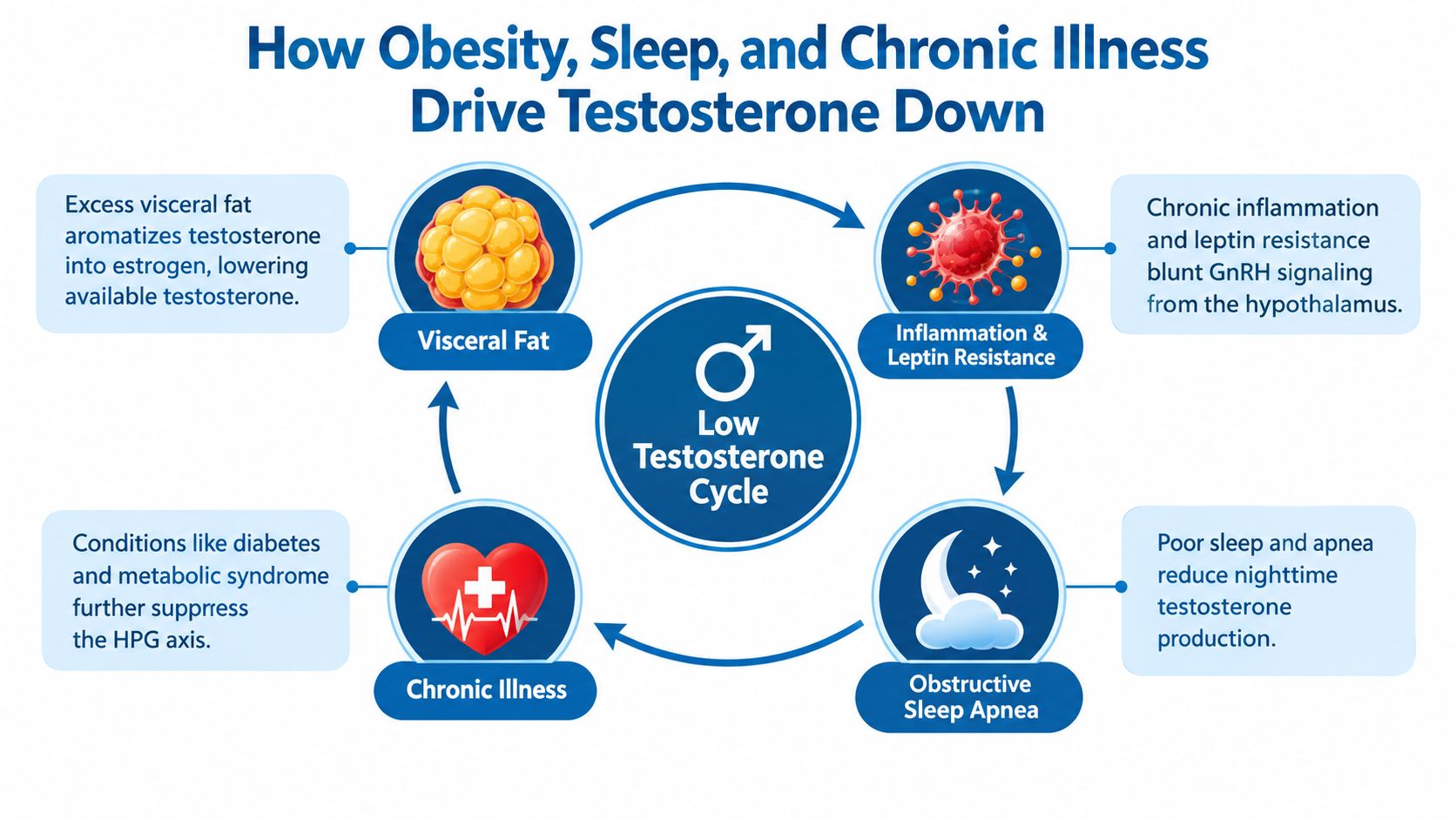
- Andropause (Male Menopause): Men aren’t immune. As they age, testosterone levels gradually decline. Lower testosterone is directly linked to losing muscle mass (sarcopenia) and gaining body fat, creating a frustrating cycle where maintaining a lean physique becomes a real battle. Testosterone therapy can help restore this balance.
- Polycystic Ovary Syndrome (PCOS): Affecting up to 10% of women of childbearing age, PCOS is a hormonal disorder that frequently causes insulin resistance. This means the body can’t use insulin properly, leading to higher blood sugar and increased fat storage, making weight management a significant challenge.
If you’re ready to understand how these imbalances are diagnosed and treated, contact us to learn more about our comprehensive hormone therapy programs.
The Root Cause Is Medical, Not a Personal Failure
It's so important to understand that these conditions are not your fault. They are diagnosable medical issues that have clear, evidence-based solutions. At Pause Medical, our board-certified providers specialize in identifying these exact hormonal imbalances through comprehensive lab work and creating personalized treatment plans that get to the source of the problem, restoring your health from the inside out.
The Physical Impact of Stress and Mental Wellness

It’s no secret that stress takes a toll, but its physical impact often goes deeper than we realize. Your mental and emotional state is directly wired to your metabolism through the endocrine system, creating very real, physical responses to the pressures of daily life.
When you’re dealing with chronic stress, your body gets stuck in a "fight or flight" mode. Think of it as your internal alarm system being permanently switched on. This constant state of alert triggers an overproduction of cortisol, a powerful hormone that fundamentally changes how your body uses and stores energy. Instead of burning fuel, your body starts hoarding it as fat—especially around the midsection—to prepare for a threat that never quite goes away.
The Cortisol-Weight Gain Connection
Chronic stress doesn't just leave you feeling frazzled; it actively works against your efforts to maintain a healthy weight. A surge in cortisol revs up your appetite for high-sugar, high-calorie foods and tells your body to prioritize fat storage.
This pattern is incredibly common. The American Psychological Association reports that nearly a third of adults feel their stress has increased over the past year. Studies have shown this elevated cortisol can lead to consuming hundreds of extra calories per day. You can read more from the Cleveland Clinic about the many factors behind unexplained weight gain.
Mental health conditions like depression and anxiety add another layer of complexity. For many people with depression, a lack of energy and motivation, combined with changes in appetite, can lead to significant weight changes.
A holistic approach to health recognizes that you cannot separate the mind from the body. Addressing stress and supporting mental wellness is not just a 'nice to have'—it's a critical component of any effective weight management and disease prevention strategy. At Pause Medical, this is a core part of our integrative philosophy.
Medications and Other Factors
The connection between mental health and weight can also be complicated by the very treatments meant to help. Certain medications, including some antidepressants, can contribute to weight changes as a side effect. In fact, some studies show that long-term use of certain antidepressants may cause weight gain in as many as 25% of users.
If you suspect that chronic stress or anxiety is a factor in your weight struggles, getting professional support can make all the difference. Resources like Penticton counselling support can provide the tools to manage the psychological drivers of stress and eating habits, helping you build a stronger foundation for your physical health.
Understanding this mind-body connection is the key to creating a health plan that actually works. Our preventative wellness solutions at Pause Medical are built on this principle, always taking into account the profound impact of your mental and emotional well-being on your metabolism.
Beyond Diet: Other Key Factors in Weight Gain
It's one of the most frustrating experiences: you’re eating well, but the number on the scale keeps creeping up. When your diet seems dialed in, it’s easy to feel like the weight gain is a complete mystery. The truth is, what you eat is only one piece of a much larger puzzle.
Of course, getting a clear picture of your nutrition is always the best first step. Using a macro calculator for weight loss can be an eye-opener. But if you've done that and still find yourself stuck, it’s time to investigate some of the other powerful forces that can work against your best efforts.
The Critical Role of Sleep
Never underestimate the power of a good night's rest. When we're sleep-deprived, our bodies go into a kind of hormonal chaos. The hormone that screams "I'm hungry!" (ghrelin) goes into overdrive, while the hormone that says "I'm full" (leptin) takes a nosedive.
This isn’t just a feeling; it’s a measurable biological shift documented in numerous studies. Research shows that even one night of poor sleep can alter these hormones, making you crave high-calorie, sugary, or carb-heavy foods while never feeling quite satisfied. Chronic poor sleep directly sets the stage for weight gain.
When It’s Not Fat: Fluid Retention
Sometimes, that sudden jump on the scale isn't fat at all—it's water. This is known as edema, and it can easily add a few pounds of "water weight," causing puffiness and swelling, especially in your hands, feet, and ankles.
While some fluid retention is temporary and harmless, you shouldn't brush it off if it becomes a persistent problem. It can be your body’s way of signaling that something more serious is going on.
Important Medical Insight
Significant and persistent fluid retention should never be ignored. It can be a sign that your heart or kidneys aren’t functioning properly. Our integrated approach to
disease state management helps identify and address these root causes under the guidance of our board-certified medical team.
The Hidden Impact of Medications
Finally, it’s worth taking a close look at your medicine cabinet. Many people know that antidepressants can affect weight, but they are far from the only culprits. A wide range of common prescription drugs can cause weight gain as a known side effect.
A few key medication classes to be aware of are:
- Steroids (like Prednisone): These powerful anti-inflammatory drugs can crank up your appetite and change how your body deposits fat.
- Certain Diabetes Drugs: Ironically, some medications designed to control blood sugar, like certain sulfonylureas, can also contribute to weight gain.
- Beta-Blockers: Commonly used for high blood pressure, these can slow down your overall metabolism.
If your weight gain started around the same time you began a new prescription, that's a major clue. Discussing this with a knowledgeable medical provider is essential to finding a solution that supports your total health.
How We Get to the Root of Your Weight Gain
When the numbers on the scale keep creeping up for no obvious reason, it can be incredibly frustrating. At Pause Medical, our first job is to be your partner in figuring out why. We skip the guesswork and go straight for the evidence, treating you with the empathy and respect you deserve.
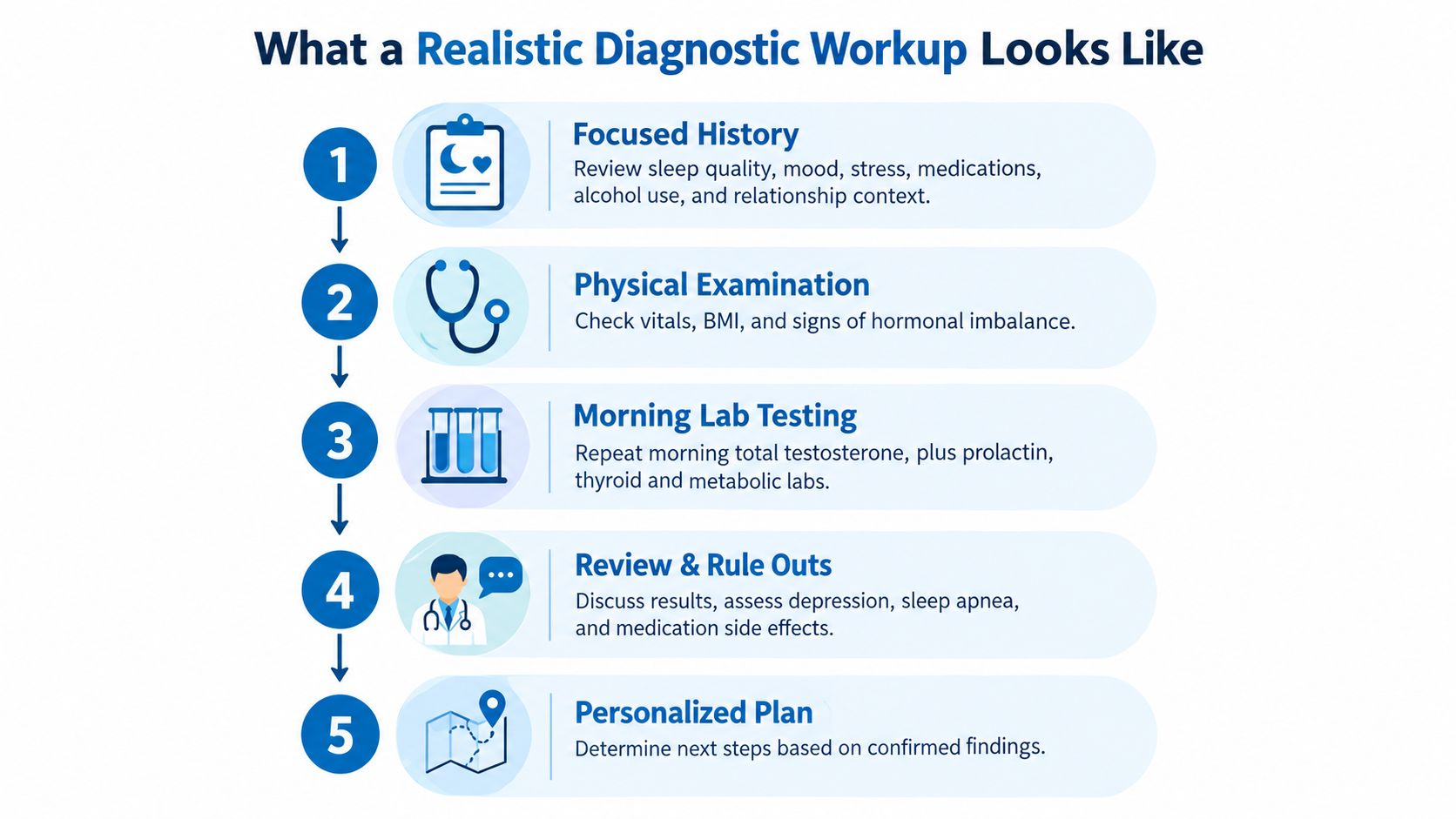
It all starts with a thorough consultation. One of our board-certified medical providers will sit down with you and, most importantly, listen. We want to hear your story—what you’re feeling, your health history, and your wellness goals. This empathetic approach is where we start piecing together the puzzle of your unique health situation.
A Clear Look Under the Hood
Once we have a good understanding of your experience, we move on to the next critical step: comprehensive lab work. This is not a standard check-up panel. We order a specific set of tests designed to give us a detailed picture of your body's inner workings, based on your individual symptoms and history.
This data-driven approach allows us to see what your symptoms alone can’t. We get a clear, objective view of your body's chemistry. Our workup typically includes:
- A Complete Hormone Panel: We look at all the major players, including your thyroid hormones (TSH, free T3, free T4), sex hormones (estrogen, progesterone, testosterone), and the stress hormone cortisol.
- Key Metabolic Markers: We check for signs of insulin resistance (like fasting insulin and HbA1c), measure your blood sugar levels, and assess other factors that show us how your body is actually processing energy.
- Essential Nutrient Levels: Deficiencies in key vitamins like D and B12 can impact metabolism and energy, so we ensure you have the building blocks for optimal health.
From Frustration to Facts
Our goal is to take the emotion and guesswork out of the equation. By combining your personal health story with the hard data from your lab results, we can pinpoint the specific imbalances that are actually causing the weight gain. This is how we find the real root cause and create a personalized plan.
Creating Your Path Forward
This deep dive is the foundation of an effective treatment plan. It allows our medical team to move beyond generic advice and start creating a precise, personalized strategy that is built entirely for you and your biology.
With this complete picture in hand, we can confidently determine the right next steps—whether that's a solution like bioidentical hormone replacement therapy or one of our dedicated medically supervised weight loss programs. This is how you finally get an answer to why the scale has been moving and create a plan that brings your body back into balance.
Personalized Treatments That Restore Your Health

Getting a clear diagnosis is a huge relief, but it’s just the first step. The real results come from the personalized treatment plan we build together. Once we’ve pinpointed the root cause of your weight gain, we can move past generic advice and create a strategy that actually works for your body.
For many of our patients, this means restoring hormonal balance. If menopause, andropause, or a thyroid condition is the culprit, bioidentical hormone replacement therapy (BHRT) can be life-changing. By carefully replenishing the specific hormones your body is missing with molecules that are structurally identical to your own, we help your metabolism, energy, and overall well-being get back on track.
A Modern, Integrative Approach to Medical Weight Loss
Sometimes, hormones aren’t the primary issue, or they are only part of the picture. In those cases, a medically supervised weight loss program provides the structure, tools, and support needed to finally see progress. We always tailor these plans to the individual, often including advanced medications as one part of a comprehensive strategy.
For instance, a class of medications called GLP-1 receptor agonists (like Semaglutide and Tirzepatide) has been a game-changer for many people struggling with weight and insulin resistance. They work in a couple of key ways:
- Regulating Appetite: These medications target the same receptors in your brain that control hunger, helping you feel full and satisfied with less food. It dials down the constant "food noise."
- Improving Insulin Sensitivity: For anyone with insulin resistance, GLP-1s help your body use sugar for energy more efficiently instead of storing it as fat.
It's important to understand that these advanced medications are not a standalone fix. They are one powerful tool in a complete wellness plan, prescribed under board-certified medical supervision to ensure safety and effectiveness. Our integrative approach combines medication with guidance on nutrition, stress management, and sustainable lifestyle changes.
At Pause Medical, we look at the whole person. We are committed to treating the root cause, not just the symptoms, helping you achieve lasting health.
To learn more about some of the newest options, you can explore our guide to peptide therapy and see how it fits into supporting metabolic health.
Your Questions About Medical Weight Loss, Answered
When you’re dealing with frustrating, unexplained weight gain, it’s natural to have a lot of questions. We get it. Here are some of the most common questions we hear from our patients, along with the straightforward, evidence-based answers you deserve.
Is It Normal to Gain Weight During Menopause, Even if I’m Doing Everything Right?
Yes, it is extremely common and one of the most frequent concerns we address. When estrogen levels drop during perimenopause and menopause, it fundamentally changes your body's "rules" for fat storage and metabolism. Your body starts to preferentially store fat around your midsection, and your overall metabolic rate slows down. That’s why the diet and exercise habits that kept you at a stable weight for years suddenly stop working. It’s not a lack of willpower; it’s a biological shift that often requires a new, hormone-focused approach like BHRT to rebalance your system.
What Kind of Tests Do You Run to Find the Cause of Weight Gain?
We never guess. Our process is rooted in evidence-based medicine, which starts with comprehensive testing to get a clear picture of what’s happening inside your body. We look at a variety of crucial markers tailored to your symptoms, including: a full thyroid panel (TSH, free T3, and free T4) to assess your metabolic engine; sex hormones like estrogen, progesterone, and testosterone to identify imbalances common in menopause and andropause; stress hormones like cortisol; and metabolic indicators like fasting insulin and HbA1c to check for insulin resistance. This data gives us the objective evidence needed to understand the root cause and build a personalized treatment plan for you.
What Are GLP-1 Medications and Are They Right for Me?
GLP-1 medications (like Semaglutide) are a class of injectable drugs that have proven highly effective for medical weight loss, especially for individuals with insulin resistance or metabolic syndrome. They work by mimicking a natural hormone that regulates appetite, slows stomach emptying, and improves how your body uses insulin. They are not a "magic shot" but a powerful tool within a comprehensive, medically supervised program. During your consultation, our board-certified provider will determine if you are a good candidate based on your health history and lab results.
How Quickly Can I Expect to See Results with a Personalized Plan?
Everyone’s body is different, so your timeline will be unique. That said, many patients on bioidentical hormone replacement therapy (BHRT) report feeling a significant improvement in their energy, mood, and sleep within just a few weeks. Changes on the scale tend to follow, often becoming noticeable within
2-3 months as your metabolism regulates. For those on our medical weight loss plans using GLP-1s, steady progress often begins within the first month. Our goal isn't a quick fix; it's about making sustainable changes that lead to lasting health under expert medical guidance.
Ready to stop the guesswork and get real answers? The board-certified providers at Pause Medical use a data-driven, integrative approach to pinpoint the true cause of your weight gain and create a personalized plan to help you feel like yourself again. Schedule your consultation today to take the first step.
Disclaimer: This article is for informational purposes only and does not constitute medical advice. The content is not intended to be a substitute for professional medical advice, diagnosis, or treatment. Always seek the advice of your physician or other qualified health provider with any questions you may have regarding a medical condition.