8 Weight Loss Consultation Questions to Ask
You know you need help with weight, energy, or metabolic health, but the appointment form gives you only a blank space for questions. You may wonder whether fatigue is related to your thyroid, whether menopause or andropause has changed your metabolism, or whether a medication such as semaglutide is safe for you. The strongest weight loss consultation questions help your provider connect symptoms, medical history, medications, laboratory results, daily routines, treatment expectations, monitoring, and affordability.
A consultation should be more than a conversation about a target number on the scale. In 2022, the World Health Organization reported that 2.5 billion adults aged 18 and older were overweight , while 890 million were living with obesity , representing about 43% of adults who were overweight and about 16% who were obese worldwide ( World Health Organization obesity and overweight fact sheet). Those figures reflect a complex chronic health issue, not a lack of willpower.
Bring your medication list, prior laboratory results, symptom timeline, treatment goals, and budget concerns. Symptoms and lab results require individualized evaluation by a qualified provider. This article is educational and isn't a substitute for medical advice, diagnosis, or a prescription. The eight questions below offer a practical roadmap for Mississippi patients considering medical weight loss, hormone replacement therapy, GLP-1 treatment, disease management, or broader preventative wellness care.
1. What are my current hormone levels, and how do they affect my weight and energy?
Hormones can influence appetite, energy, sleep, mood, fat distribution, and the way your body handles glucose. A useful opening question asks your provider to interpret your results in context rather than treating one lab value as the complete explanation for weight gain.
Depending on your symptoms and medical history, a provider may discuss estrogen, progesterone, testosterone, thyroid hormones, cortisol, and insulin . These markers don't all require the same testing approach, and results may be affected by medications, supplements, sleep, stress, menstrual status, and the timing of the blood draw. A hormone panel should support clinical reasoning, not replace it.
Ask for interpretation: “Which results are clinically meaningful for my symptoms, and what would you evaluate before recommending hormone replacement therapy or medical weight loss?”
Your preparation can make the consultation more useful:
- Bring earlier records: Previous hormone, thyroid, glucose, or lipid results can help your provider identify meaningful changes over time.
- Track symptoms: Record energy, sleep quality, mood, appetite, exercise tolerance, and weight fluctuations before the visit.
- Discuss daily influences: Stress, nutrition, physical activity, and sleep can affect both symptoms and metabolic health.
- Clarify testing conditions: Ask whether you should fast and whether the appointment timing matters for the tests being ordered.
You may have heard that every hormone test should occur in the morning or that extended fasting can distort cortisol and glucose. Testing instructions depend on the specific evaluation, so don't change your eating pattern or schedule on your own. Ask the clinic exactly how to prepare.
For a plain-language guide to interpreting results, review how to read hormone blood test results, then ask a qualified provider to relate those results to your symptoms, health history, and treatment goals.
2. Am I a candidate for GLP-1 medications like semaglutide, and how do they work with my body?
A GLP-1 consultation should begin with candidacy and safety, not a request for a particular medication. Ask whether semaglutide , tirzepatide , or another option fits your health history, current medicines, metabolic markers, symptoms, and goals.
GLP-1 receptor agonists act on pathways involved in appetite and glucose regulation. They can increase feelings of fullness, reduce hunger, and slow gastric emptying. The clinical decision also includes how treatment will fit your eating pattern, activity level, follow-up schedule, pregnancy considerations, medical conditions, and ability to continue monitoring.
A meta-analysis of 22 trials involving 17,183 participants found that 50.2% achieved at least 5% weight loss and 17.5% achieved at least 10% weight loss , compared with placebo ( meta-analysis of GLP-1 receptor agonists). Those findings describe results across studies, not a promise for an individual patient.

Ask questions that uncover the full treatment plan:
- Review risks: Which side effects require a call, a dose adjustment, or urgent evaluation?
- Discuss other medicines: Could a current prescription affect appetite, weight, glucose, or treatment safety?
- Plan nutrition: How will you protect adequate nutrition and support muscle during weight loss?
- Define follow-up: When will your provider review symptoms, progress, laboratory results, and dose tolerance?
- Discuss continuation: What's the plan if treatment is stopped, paused, unavailable, or unaffordable?
You can read how semaglutide works before your appointment and use GLP-1 weight loss explained as additional patient education. Don't start, stop, combine, or change a GLP-1 medication without medical guidance.
Here's a short visual introduction to the topic:
3. How do my symptoms, fatigue, brain fog, low libido, and mood changes connect to hormone imbalance?
A patient may arrive worried about weight gain but describe a wider pattern: fatigue that limits activity, poor sleep that changes appetite, brain fog that affects work, or mood and libido changes that strain daily life. Ask your provider to examine how these symptoms fit together instead of assuming they share one cause.
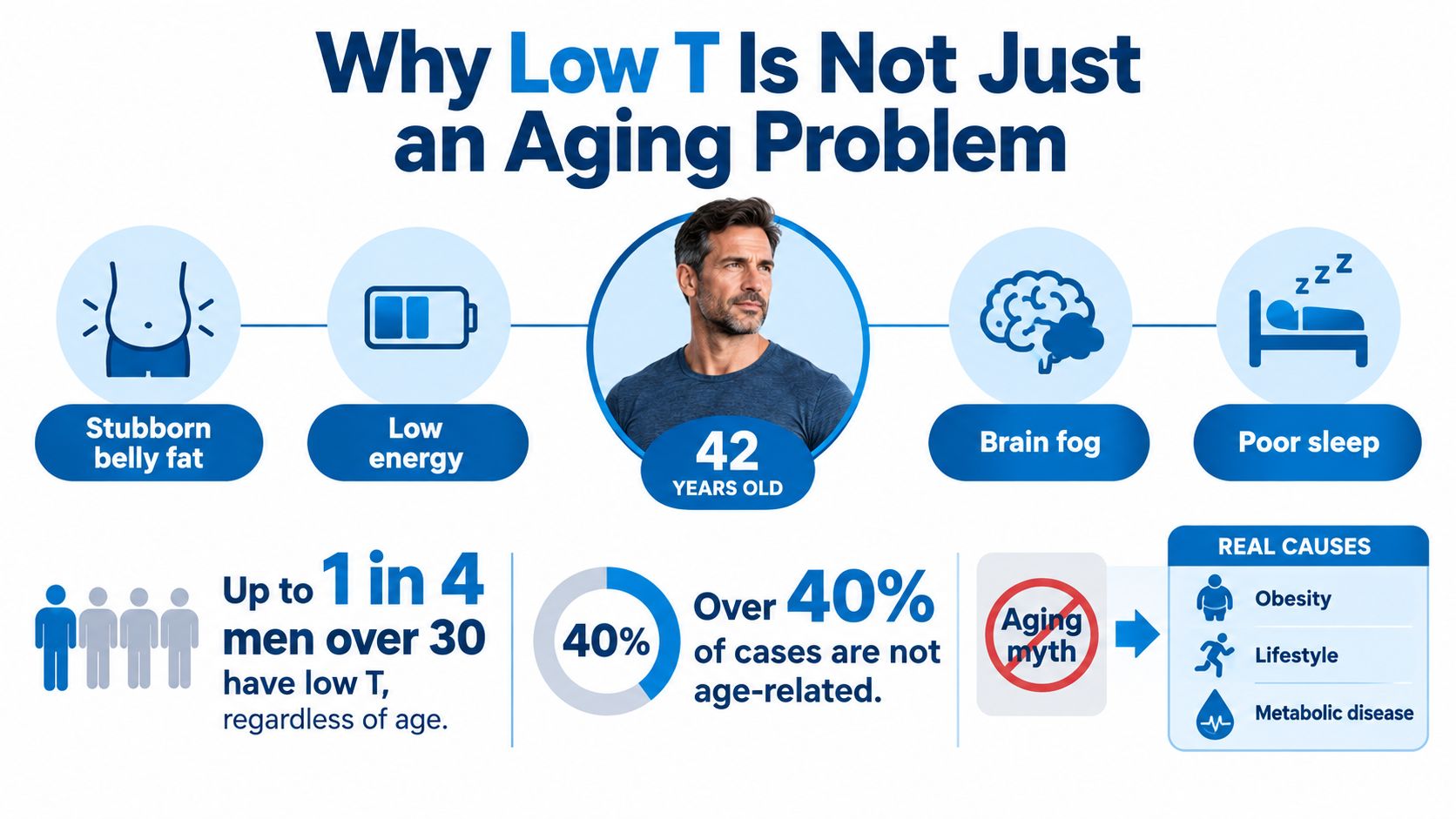
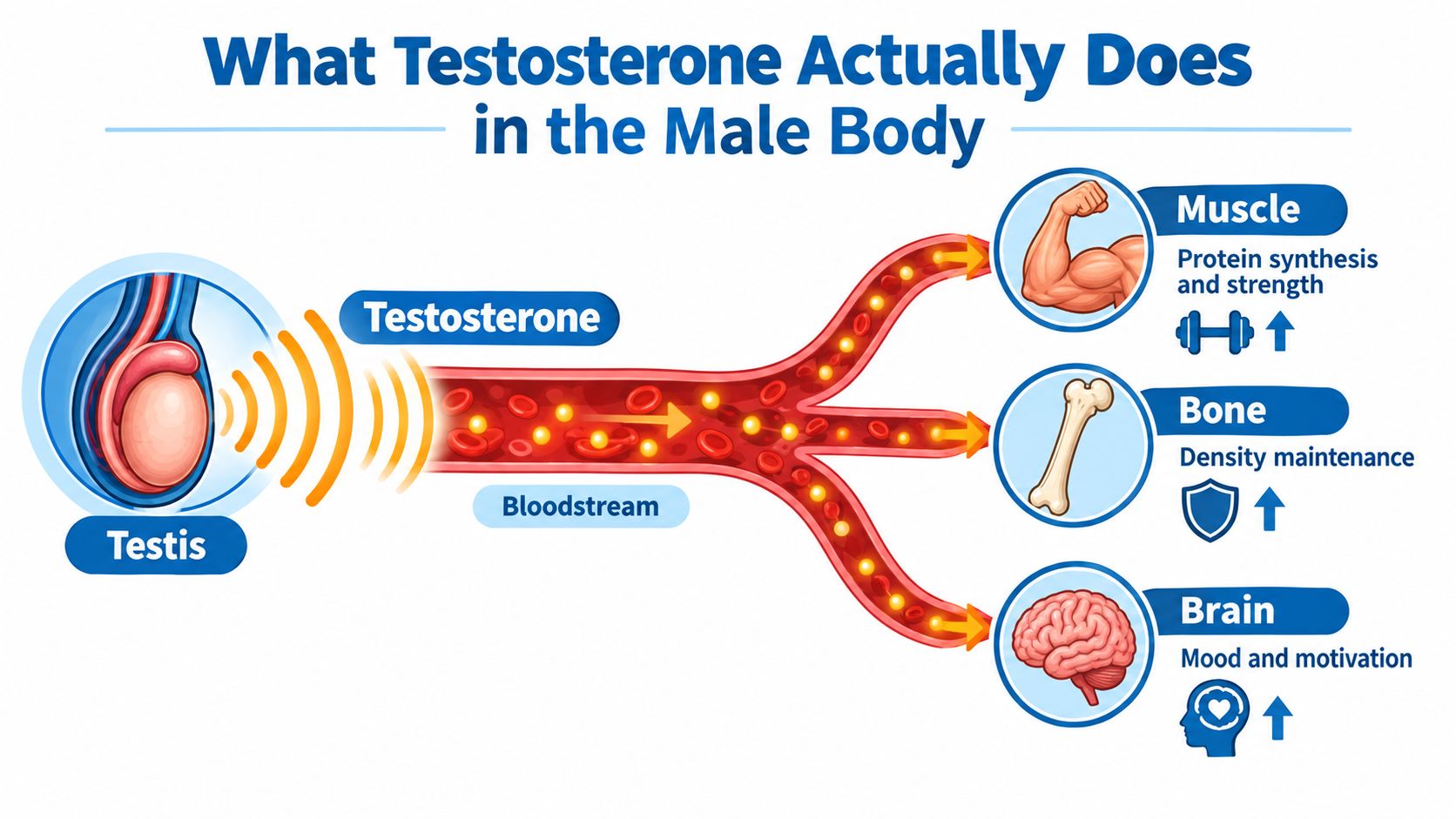
Discuss whether life stage, medical conditions, stress, medications, or sleep problems could contribute. During perimenopause or menopause, estrogen and progesterone changes may be relevant. Men may ask about testosterone alongside sleep, mood, and metabolic factors linked with andropause symptoms. Thyroid hormones and cortisol may also be considered. Symptoms alone do not confirm hormone imbalance, so evaluation may include medical history, examination, laboratory testing, medication review, or referral.
Bring a symptom diary to make the conversation more specific:
- Daily function: Record how fatigue or brain fog affects work, exercise, driving, household tasks, and concentration.
- Sleep quality: Note difficulty falling asleep, nighttime waking, snoring concerns, and morning alertness.
- Mood and libido: Use direct language. These concerns belong in a medical discussion, even when they feel personal.
- Timing and patterns: If you have menstrual cycles, record symptoms with cycle changes. Include recent illness, major stress, or lifestyle changes.
- Possible influences: List medications, supplements, caffeine, alcohol, nutrition, and activity, along with anything that improves or worsens symptoms.
You might say:
“I'm not only concerned about my weight. I'm less energetic, my mood has changed, and these symptoms are affecting my life. Could they have a shared medical contributor?”
This wording helps your provider set priorities and separate hormone-related concerns from other explanations. Review this guide to symptoms of hormonal imbalance before the visit. For general wellness background, see HempWell USA on natural stress relief. Do not start supplements or hormone therapy based on symptom matching alone. A qualified provider should review safety, interactions, and alternatives.
4. What should I know about bioidentical hormone replacement therapy?
Bioidentical hormones are designed to have the same molecular structure as hormones produced naturally in the body. Patients may hear about 17-beta estradiol, micronized progesterone, or testosterone in discussions about bioidentical hormone replacement therapy , often called BHRT. The term describes the hormone structure, but it doesn't by itself establish that a treatment is safer, more effective, or appropriate for every patient.
Ask which product is being recommended, how it will be delivered, why that route fits your situation, and how the provider will monitor it. Options may include an oral product, patch, cream, or another formulation. Compounded treatment may be individualized, but compounded medicines require careful discussion of pharmacy standards, dosing consistency, documentation, and follow-up.
Ask these practical questions:
- Clarify the goal: Is treatment intended to address hot flashes, sleep disruption, low libido, mood symptoms, vaginal symptoms, or another concern?
- Discuss alternatives: What nonhormonal options or standard hormone products could also be considered?
- Review contraindications: What personal and family history could change the risk assessment?
- Understand monitoring: Which symptoms, examinations, or tests will guide follow-up?
- Check the pharmacy: If a compounded product is prescribed, how does the pharmacy verify identity, potency, and quality?
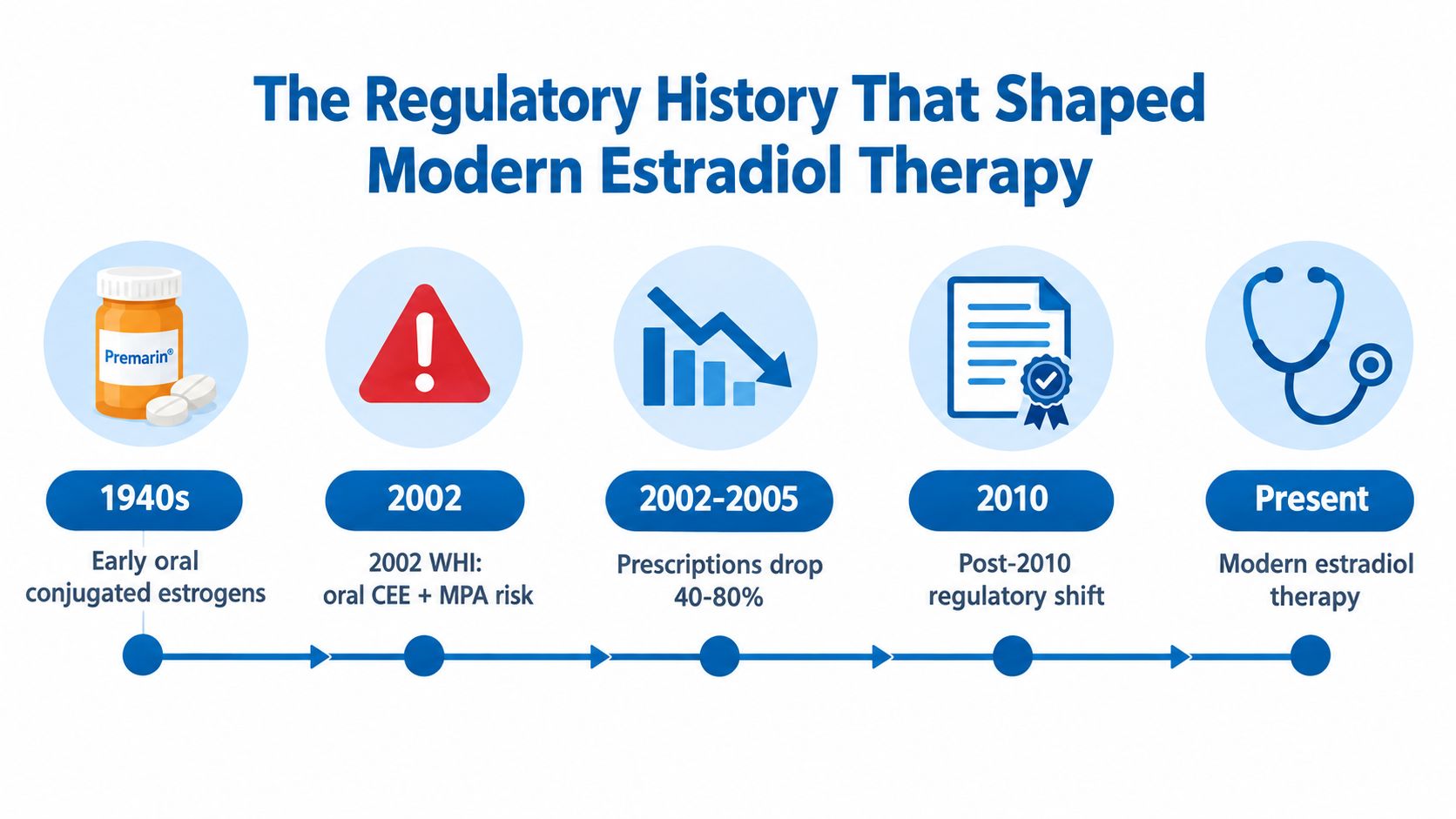
Major guidance considers hormone therapy first-line treatment for bothersome vasomotor menopause symptoms. The benefit-risk ratio is described as most favorable when treatment begins before age 60 or within 10 years of menopause onset , and guidance recommends discussing dose, duration, sequential versus continuous combined therapy, and the possibility that symptoms may return after stopping ( NICE menopause recommendations). Those factors belong in an individualized conversation, not a self-directed treatment decision.
Review bioidentical hormones versus synthetic hormones and ask your provider to explain the evidence, tradeoffs, and expected monitoring in language you understand.
5. Would conventional hormone replacement therapy be a better fit?
A fair consultation compares treatment options instead of assuming that one category is best. Conventional HRT may use standardized products such as conjugated equine estrogens or synthetic progestins such as medroxyprogesterone acetate. Some patients and providers value the broader population-level evidence base, established labeling, or insurance access associated with particular products.
That doesn't mean conventional HRT is automatically appropriate. The right choice depends on your symptoms, age, menopause history, uterus status, personal and family history, cardiovascular risk, clotting history, cancer history, current medications, and treatment goals. Your provider may also discuss route of administration, dose, duration, and whether estrogen requires a progestogen for endometrial protection.
Ask for a direct comparison:
- Which exact hormones are in each option? Brand categories can hide important differences between products.
- How does each product enter the body? Oral and transdermal routes may have different practical considerations.
- What are the likely benefits and potential harms for me? Population data can't replace individual risk assessment.
- How will cost affect continuity? Ask about insurance coverage, cash pricing, refill logistics, and what happens if coverage changes.
- When will we reassess? A follow-up plan should address symptom response, side effects, and whether treatment remains appropriate.
Some patients focus heavily on the word “bioidentical” and overlook the more important questions about dose, route, monitoring, and safety. A standardized product can still require individualized care, and a compounded product still requires careful oversight.
If you're experiencing hot flashes, sleep disruption, mood changes, or low libido alongside weight gain, tell the provider how the symptoms interact. HRT isn't a standalone weight-loss solution, but addressing a clinically relevant hormone concern may be part of a broader plan that also includes nutrition, activity, medication management, and metabolic evaluation.
6. How do insulin resistance and metabolic syndrome affect my weight, and what can we do about it?
Weight gain around the abdomen, persistent hunger, concerning glucose results, high blood pressure, abnormal cholesterol, or diabetes risk can justify this discussion. Insulin resistance means cells respond less effectively to insulin. Like a key that no longer fits smoothly in a lock, insulin may have more difficulty helping glucose move into cells. That can complicate glucose regulation and weight management.
Ask, “Could insulin resistance be affecting my symptoms, and what tests would clarify the picture?” Your provider may review fasting glucose, A1C if ordered, triglycerides, HDL cholesterol, blood pressure, waist measurement, and relevant medical history. Metabolic syndrome is commonly defined by at least three of five criteria : abdominal obesity, elevated triglycerides, reduced HDL cholesterol, elevated blood pressure, and elevated fasting glucose ( metabolic syndrome diagnostic criteria). This pattern links central adiposity with diabetes and cardiovascular risk, so the conversation should address more than weight.
Discuss:
- Results together: Ask what your glucose and lipid results mean as a pattern, rather than treating one value as the whole explanation.
- Medication effects: Some medicines can influence appetite, glucose, or weight. Do not stop or change one without prescriber guidance.
- Food access: Request options that fit your work schedule, household, culture, cooking facilities, and budget.
- Movement: Ask how walking, resistance exercise, or mobility-adapted activity could begin and progress safely.
- Support needs: Identify sleep, stress, mental health, or transportation concerns that may affect follow-through.
For a practical overview, review this guide to insulin resistance and weight loss. An academic review of obesity counseling questions also emphasizes work demands, food access, cultural barriers, financial constraints, routines, and mental health ( obesity counseling question framework). These details show whether a plan can work outside the clinic.
Ask, “What should we monitor besides my weight?” Possible measures include waist size, blood pressure, energy, sleep, glucose-related results, strength, appetite, and medication tolerance. A medically appropriate plan should also fit daily life in Mississippi communities, whether you live near Oxford, Meridian, Tupelo, Flowood-Jackson, or Starkville.
7. Could thyroid dysfunction be contributing to my weight gain and fatigue?
A patient may arrive in Starkville describing fatigue that disrupts work, while someone in Flowood may focus on difficulty exercising or caring for family. Weight gain, feeling unusually cold, constipation, dry skin, low mood, and reduced exercise tolerance can point toward thyroid concerns, but they can also occur with sleep disorders, anemia, depression, medication effects, menopause, chronic disease, or inadequate nutrition.
The thyroid produces hormones that influence metabolic rate, energy production, temperature regulation, heart rate, and mood. That makes thyroid testing one part of the evaluation, not a complete explanation by itself. Ask, “Could thyroid dysfunction be contributing to my symptoms, and what evaluation is appropriate?”
Your provider may review your history and order standard thyroid tests before deciding whether further evaluation is appropriate. A broader panel is not automatically needed, and one abnormal result does not prove that thyroid dysfunction caused your weight gain. The result must be considered alongside symptoms, medicines, medical history, and follow-up findings.
Bring these questions and details:
- Existing diagnoses: List thyroid medicines, including levothyroxine, with each dose and schedule.
- Absorption issues: Ask whether food, supplements, or other medicines could affect how your treatment is absorbed.
- Symptom timing: Record when fatigue, brain fog, constipation, sleep changes, or weight changes began.
- Related conditions: Mention autoimmune history, pregnancy plans, menopause symptoms, and family thyroid disease.
- Follow-up: Clarify when symptoms and laboratory results will be reassessed after a treatment change.
Thyroid medicine should be prescribed and adjusted by a qualified clinician. Taking extra hormone for weight loss can cause harm, and changing a dose without follow-up may create new symptoms. Ask how thyroid evaluation fits with hormone replacement therapy, GLP-1 treatment, sleep assessment, nutrition, and medication management. This keeps the thyroid in the care plan without treating it as the only possible cause.
8. How will Pause Medical implement and monitor my plan in Mississippi?
A recommendation becomes practical only when you know how care continues after the consultation. Ask where visits occur, which tests are needed, how prescriptions are coordinated, what follow-up costs, and whom to contact if symptoms or side effects change.
Pause Medical offers insurance-free consultations with board-certified providers at Mississippi locations including Oxford, Meridian, Tupelo, Flowood-Jackson, and Starkville. Services include hormone replacement therapy, medical weight loss, metabolic care, disease management, medication management, testing, and coordination with certified compounding pharmacies.
Use the first visit to clarify:
- What happens at the first visit? Ask how the provider reviews your goals, symptoms, medical history, medicines, and prior laboratory work.
- Which services may be combined? Hormone therapy, GLP-1 management, diabetes or thyroid care, nutrition, and lifestyle support may need one coordinated plan.
- What will follow-up include? Confirm how symptoms, laboratory results, doses, and questions between visits will be handled.
- What should I budget for? Request separate explanations of consultation, testing, medication, refill, and follow-up costs.
- How is education provided? Ask how to use each medication, recognize concerning symptoms, and decide when to contact the clinic.
Pause Medical's process includes scheduling a consultation, discussing health goals and concerns with a provider, and following an individualized plan with ongoing support. Ask how this process applies to GLP-1 medication, hormone treatment, chronic disease risk, or multiple prescriptions. These issues may interact, so a change in one treatment can affect monitoring or medication decisions elsewhere in the plan.
Request a written summary. It should state what you are starting, what you are not starting, symptoms to track, monitoring timing, and findings that would prompt a change. Do not start, stop, or adjust prescription treatment without guidance from a qualified clinician. For Mississippi patients, confirming visit access, communication methods, and costs in advance can make the plan easier to follow and review. A patient-centered clinic should answer these questions clearly without promising a particular result.
8-Point Weight Loss Consultation Comparison
| Item | Complexity 🔄 | Resources & Cost 💡 | Expected Outcomes ⭐📊 | Ideal Use Cases ⚡ | Key Advantages ⭐ |
|---|---|---|---|---|---|
| What are my current hormone levels (comprehensive hormone panel) | Moderate 🔄: timed blood draws + specialist interpretation | Moderate–High: comprehensive labs, possible OOP testing | High ⭐⭐⭐: identifies root causes; enables targeted therapy and tracking 📊 | Unexplained weight gain, persistent fatigue, planning targeted treatment | Precision diagnosis; baseline metrics for personalized plans |
| Am I a candidate for GLP‑1 medications (semaglutide/tirzepatide)? | Moderate 🔄: eligibility assessment, prescription, injection training, ongoing monitoring | High: medication cost ($900–1,500/mo without insurance) plus labs and visits | High ⭐⭐⭐: significant weight loss (15–22% in trials); improves glycemic & CV markers 📊 | BMI-elevated patients, insulin resistance, failed lifestyle-only approaches | Strong efficacy for weight loss; multitarget metabolic benefits |
| How do symptoms (fatigue, brain fog, low libido, mood) connect to hormone imbalance? | Low–Moderate 🔄: structured symptom screening + clinical correlation | Low: clinical assessment; may prompt confirmatory labs | Moderate ⭐⭐: clarifies causes and guides targeted treatment; symptom relief possible 📊 | Patients with cognitive, sexual, sleep, mood or energy complaints | Validates patient experience; directs focused testing & therapy |
| Bioidentical Hormone Replacement Therapy (BHRT) | Moderate–High 🔄: individualized compounding, titration, monitoring | High: compounded formulations ($100–300+/mo), specialized pharmacies, follow-up labs | Moderate–High ⭐⭐⭐: symptom improvement in many (70–85% in series); tailored effects 📊 | Patients desiring individualized dosing or intolerant of conventional HRT | Custom dosing and delivery; often improved tolerability and symptom control |
| Conventional Hormone Replacement Therapy (HRT) | Low 🔄: standardized prescribing and monitoring | Low: generally lower cost and more insurance coverage | Variable ⭐⭐: effective for many; long-term population data mixed 📊 | Patients seeking established, insurance-covered therapy | Broad availability; standardized dosing; typically lower cost |
| Insulin resistance & metabolic syndrome | Moderate 🔄: comprehensive metabolic testing and multi‑component interventions | Moderate: labs, dietary/exercise programs, possible meds (metformin, GLP‑1) | High ⭐⭐⭐: improves weight, prevents diabetes, lowers CV risk when treated 📊 | Visceral obesity, dyslipidemia, prediabetes, PCOS-associated weight gain | Targets core metabolic driver; multiple evidence-based interventions |
| Thyroid dysfunction evaluation & treatment | Moderate 🔄: full thyroid panel (TSH, free T4/T3, rT3, antibodies) + integration with other hormones | Low–Moderate: lab panel and possible replacement therapy; follow-up testing | Moderate–High ⭐⭐–⭐⭐⭐: correcting dysfunction often improves metabolism and energy 📊 | Unexplained fatigue, weight gain, cold intolerance, abnormal screening | Objective biochemical targets; effective replacement therapies available |
| Pause Medical, implementation, locations, integrated services | High 🔄: coordinated, multi‑disciplinary workflow across services | Variable–High: insurance‑free model; clinic visits, comprehensive testing, compounding costs | High ⭐⭐⭐: integrated care can produce synergistic metabolic and symptom improvements 📊 | Patients seeking an integrated, ongoing, personalized program in MS locations | Board‑certified providers; coordinated hormone, metabolic, and GLP‑1 care with follow-up |
Turn Your Questions Into a Safer Care Plan
The best weight loss consultation questions don't focus only on how quickly the scale might change. They help you understand why weight gain may be occurring , whether symptoms point toward a hormone or thyroid concern, whether insulin resistance or metabolic syndrome needs evaluation, and whether a medication is appropriate given your history.
Before your appointment, bring every prescription, over-the-counter medicine, supplement, and hormone product you use. Include the dose and schedule when you can. Add prior laboratory results, imaging reports, diagnoses, allergies, family history, and a timeline of symptoms. If you've tried diets, exercise programs, commercial plans, or previous medication, explain what helped, what didn't, and what made the plan difficult to continue.
Your provider should help you clarify:
- Candidacy: Whether medical weight loss, GLP-1 treatment, HRT, BHRT, thyroid treatment, or another intervention fits your health profile.
- Safety: Which medical conditions, medications, allergies, pregnancy considerations, or personal history affect the decision.
- Expectations: What improvement would look like beyond weight, including energy, mobility, appetite, sleep, mood, glucose-related health, and strength.
- Lifestyle support: How nutrition, physical activity, sleep, stress management, work demands, culture, food access, and family responsibilities shape the plan.
- Monitoring: Which symptoms, laboratory results, vital signs, body measurements, and non-scale outcomes will be reviewed.
- Follow-up: When you'll be reassessed and what to do if side effects, cost, supply, or access becomes a problem.
- Total cost: What consultations, tests, medications, refills, and follow-up care may require financially.
Affordability deserves direct discussion. An effective plan that you can't maintain isn't a practical plan, and cost concerns shouldn't prevent you from asking about alternatives, scheduling, or treatment intensity. Share your budget questions early so your provider can explain available choices without asking you to make unsafe substitutions.
Mississippi patients may prefer in-person care close to home, while others may need convenient scheduling around work and family. Pause Medical serves patients near Oxford, Meridian, Tupelo, Flowood-Jackson, and Starkville , with a focus on patient education, individualized treatment planning, hormone replacement therapy, medically supervised weight loss, metabolic care, and disease management. The clinic's providers can help you discuss whether these services fit your needs, but no responsible medical practice can guarantee a specific outcome.
Use this patient provider communication guide to organize your concerns before the visit. Then schedule a consultation through Pause Medical to discuss your goals with a qualified Mississippi provider. This article is for education only. It doesn't replace an examination, diagnosis, individualized risk assessment, or medical advice from your own clinician.
Pause Medical provides in-person, insurance-free consultations for hormone replacement therapy, medical weight loss, GLP-1 management, metabolic health, and disease management across Mississippi. Bring these questions, your records, medication list, symptoms, goals, and budget concerns to a consultation, then visit Pause Medical to schedule a personalized discussion with a provider.