What Causes Low T: The Full Picture for Men
Feeling tired, less interested in sex, gaining abdominal weight, or struggling with erections doesn't automatically mean you need testosterone therapy. The popular explanation, “you're just getting older,” is often too simple. What causes low T can include obesity, type 2 diabetes, sleep disorders, chronic illness, medications, testicular disease, or a problem in the brain's hormone-signaling system.
The diagnosis also requires more than one disappointing laboratory result. The American Urological Association considers a total testosterone level below 300 ng/dL a reasonable cutoff that supports diagnosis, but symptoms, repeat morning testing, and the underlying cause still matter. AUA testosterone deficiency guidance explains why clinicians should interpret testosterone in context rather than treat a number in isolation.
Why Low T Is Not Just an Aging Problem
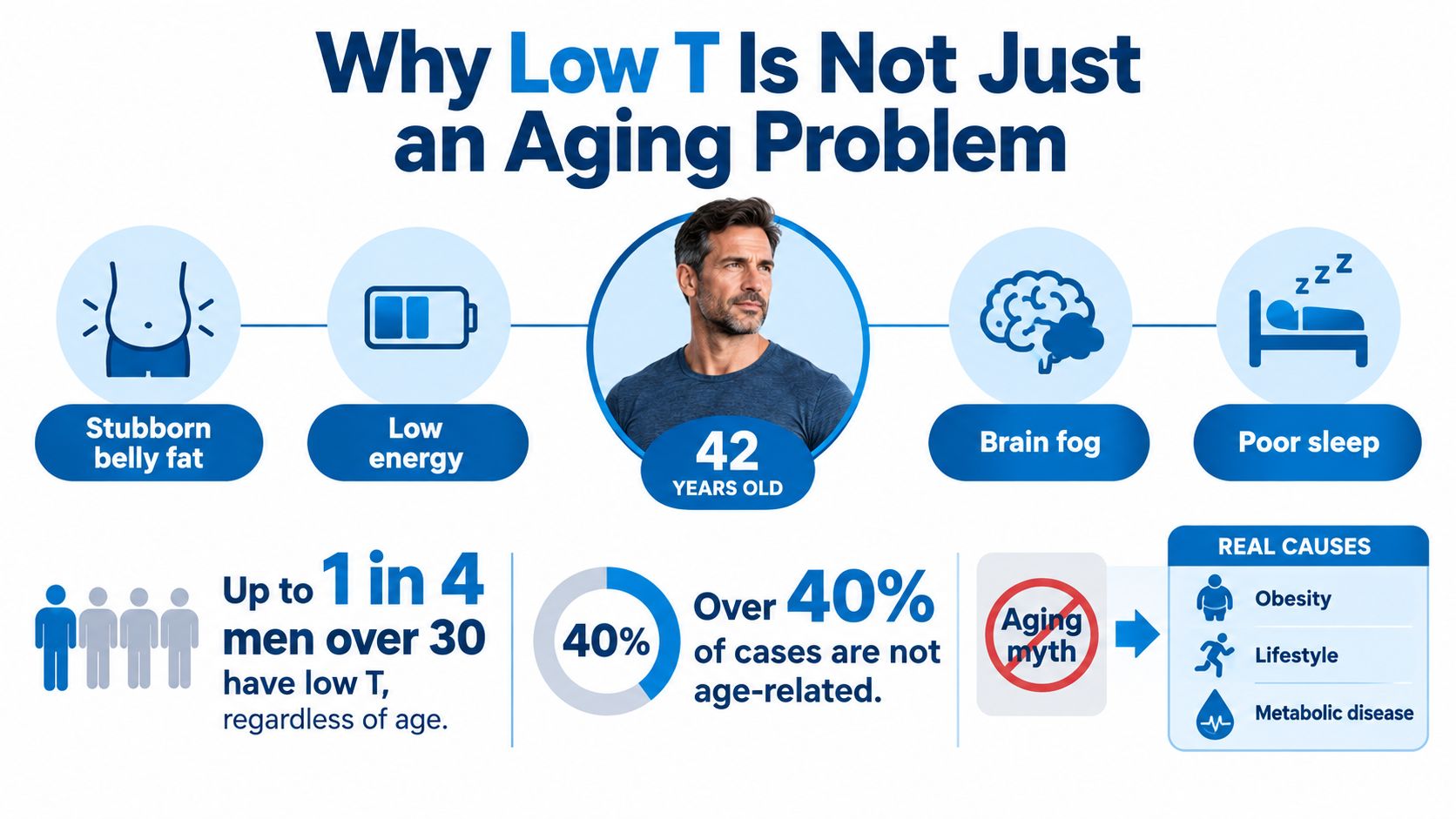
A 42-year-old man has stubborn belly fat, low energy, poor concentration, and a fading libido. His clinician tells him the results are “normal for his age,” but he doesn't feel like himself. That situation is common enough to deserve a better answer than resignation.
Age can influence testosterone, but chronological aging alone isn't the strongest explanation for many cases . In the European Male Ageing Study, symptomatic androgen deficiency affected 2.1% of men overall. Prevalence rose from 0.6% in men aged 50 to 59 to 5.1% in men aged 70 to 79 , while obesity, defined in that source as a BMI above 30 kg/m², was associated with a 13-fold higher prevalence of symptomatic androgen deficiency. The same guideline-level review links low testosterone with low SHBG most commonly to obesity and type 2 diabetes. ( European Male Ageing Study and guideline review)
That distinction changes the conversation. Instead of asking only, “Should I replace testosterone?” a careful evaluation asks, “Why is testosterone low, and can that reason be improved?”
The metabolic reframe
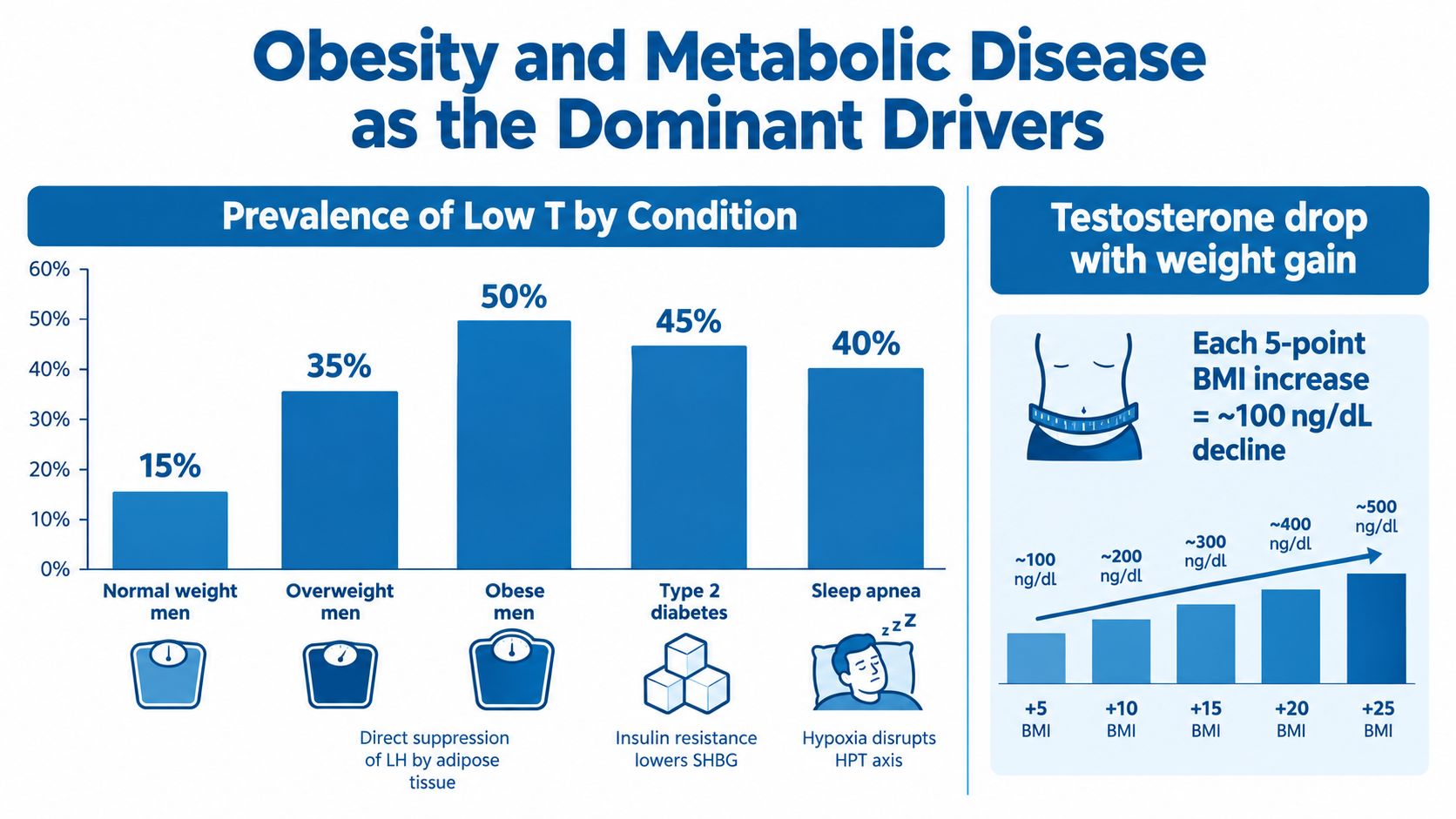
A 2019 review reported prevalence estimates as high as 45.0% to 57.5% for male obesity-related secondary hypogonadism. It also cited a large community sample in which 40% of obese U.S. men had low testosterone , while men with BMI above 35 to 40 kg/m² had more than a 50% reduction in total and free testosterone compared with lean men. ( Review of male obesity-related secondary hypogonadism)
These findings don't mean every man with obesity has low T, or that weight loss solves every case. They do mean that body composition and metabolic health belong near the beginning of the investigation, not at the very end. This guide to testosterone and metabolism offers additional context on how these systems interact.
The Two Pathways Behind Low Testosterone
Testosterone production works like a factory with a communication network. The testes are the production floor , while the hypothalamus and pituitary act like a central office that sends instructions through hormones called LH and FSH.
Primary hypogonadism
In primary hypogonadism, the problem is in the testes. The factory can't produce enough testosterone even when the central office keeps sending stronger instructions. Blood tests typically show low testosterone with high LH and FSH , because the brain is attempting to stimulate the testes.
Possible causes include Klinefelter syndrome, undescended testes, mumps orchitis, iron overload, chemotherapy, radiation, trauma, and some forms of testicular failure. These causes can represent permanent damage, although the outlook depends on the diagnosis and the person's broader health.
Secondary hypogonadism
In secondary hypogonadism, the testes may still be capable of producing testosterone, but the signal from the hypothalamus or pituitary is inadequate. The expected response is low testosterone with low or inappropriately normal LH and FSH .
Obesity, chronic illness, opioids, glucocorticoids, alcohol misuse, pituitary disorders, head injury, and stress-related suppression can contribute to this pattern. The distinction matters because treating a signaling problem requires a different strategy from treating damaged testicular tissue.
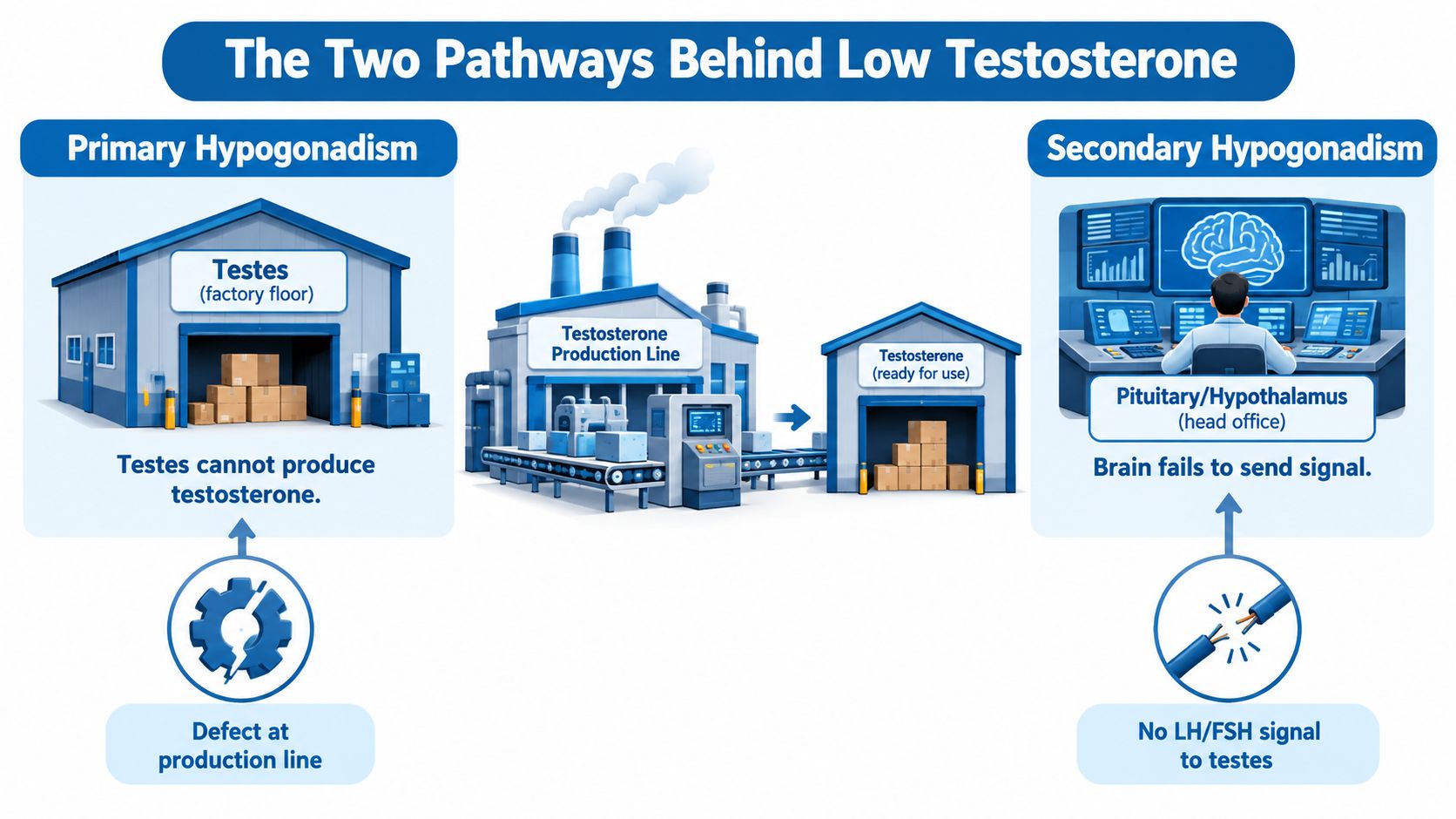
A morning panel that includes total testosterone, LH, and FSH can help separate the two pathways, although clinicians often need additional testing. This clinical overview of hypogonadism explains the primary and secondary patterns and the range of conditions that can produce them.
Practical rule: The same symptoms can come from different biological problems. The LH and FSH pattern helps identify where the breakdown is occurring.
Obesity and Metabolic Disease as the Dominant Drivers
Excess body fat can affect testosterone through several connected pathways. Obesity is associated with lower SHBG, impaired hypothalamic-pituitary signaling, insulin resistance, inflammation, and increased conversion of testosterone into estradiol in adipose tissue. Type 2 diabetes and metabolic syndrome add further stress to the system.
A review of functional hypogonadism describes severe obesity, metabolic syndrome, diabetes, sleep disorders, chronic kidney, liver, heart, and lung disease, inflammatory illness, malnutrition, excessive exercise, opioid exposure, anabolic steroids, glucocorticoids, and alcohol as common contributors. These conditions can suppress gonadotropin signaling without destroying the testes, producing a potentially reversible form of secondary hypogonadism. ( Review of functional hypogonadism and metabolic causes)
Why sleep and glucose matter
Obstructive sleep apnea can fragment sleep and disturb the hormonal environment needed for normal testosterone production. Poor sleep may also worsen appetite regulation, weight gain, insulin resistance, and fatigue, creating a cycle in which the symptoms of low T and the causes of low T reinforce each other.
Weight management is therefore part of hormone evaluation, not a distraction from it. In the STEP 1 obesity trial, semaglutide produced mean body-weight reduction of 14.9% at 68 weeks , compared with 2.4% with placebo , and 86.4% of participants achieved at least 5% weight loss , compared with 31.5% with placebo. ( American College of Cardiology summary of STEP 1) GLP-1 weight loss treatment may be appropriate for some patients with obesity, but medication choice requires medical screening and follow-up.
For readers comparing care options, telemedicine weight loss support can provide general education about medically supervised approaches. Pause Medical also discusses insulin resistance and weight management in its medical guide to insulin resistance and weight loss.
Lifestyle changes, treatment for sleep apnea, better glycemic control, medication review, and medically supervised weight loss can improve the hormonal environment for some men. Persistent abnormalities still require a full endocrine evaluation rather than an assumption that metabolic factors explain everything.
Aging, Testicular Injury, and Structural Causes
Age can influence testosterone production, but it does not automatically explain symptoms or prove permanent testicular failure. The testes may produce less testosterone because of an inherited condition, developmental problem, infection, direct injury, medical treatment, or systemic disease. That distinction matters because some causes are identifiable and may be treatable.
Examples of primary testicular causes include Klinefelter syndrome, cryptorchidism, mumps orchitis, hemochromatosis, chemotherapy, radiation, trauma, testicular loss, and certain genetic disorders. A practical review of testosterone deficiency also lists myotonic dystrophy and vanishing testicle syndrome. Congenital reproductive disorders can impair testicular function from early life.
| Cause Category | Examples | Effect on LH/FSH |
|---|---|---|
| Genetic or congenital | Klinefelter syndrome, cryptorchidism, congenital testicular disorders | Typically high |
| Infection or injury | Mumps orchitis, trauma, testicular loss | Typically high |
| Medical treatment | Chemotherapy, radiation | Typically high |
| Systemic testicular damage | Iron overload and certain chronic diseases | Variable, depending on the cause |
These conditions can leave the testes unable to respond normally, even when the body is sending the expected signal. The laboratory pattern must therefore be interpreted alongside medical history, examination, and repeat testosterone testing rather than treated as a diagnosis by itself.
Fertility deserves separate attention. Testosterone therapy can suppress sperm production, so anyone who wants children should discuss that goal before treatment begins. The initial plan may need to prioritize finding the cause and protecting reproductive options.
Pituitary and Hypothalamic Disorders That Disrupt Signaling
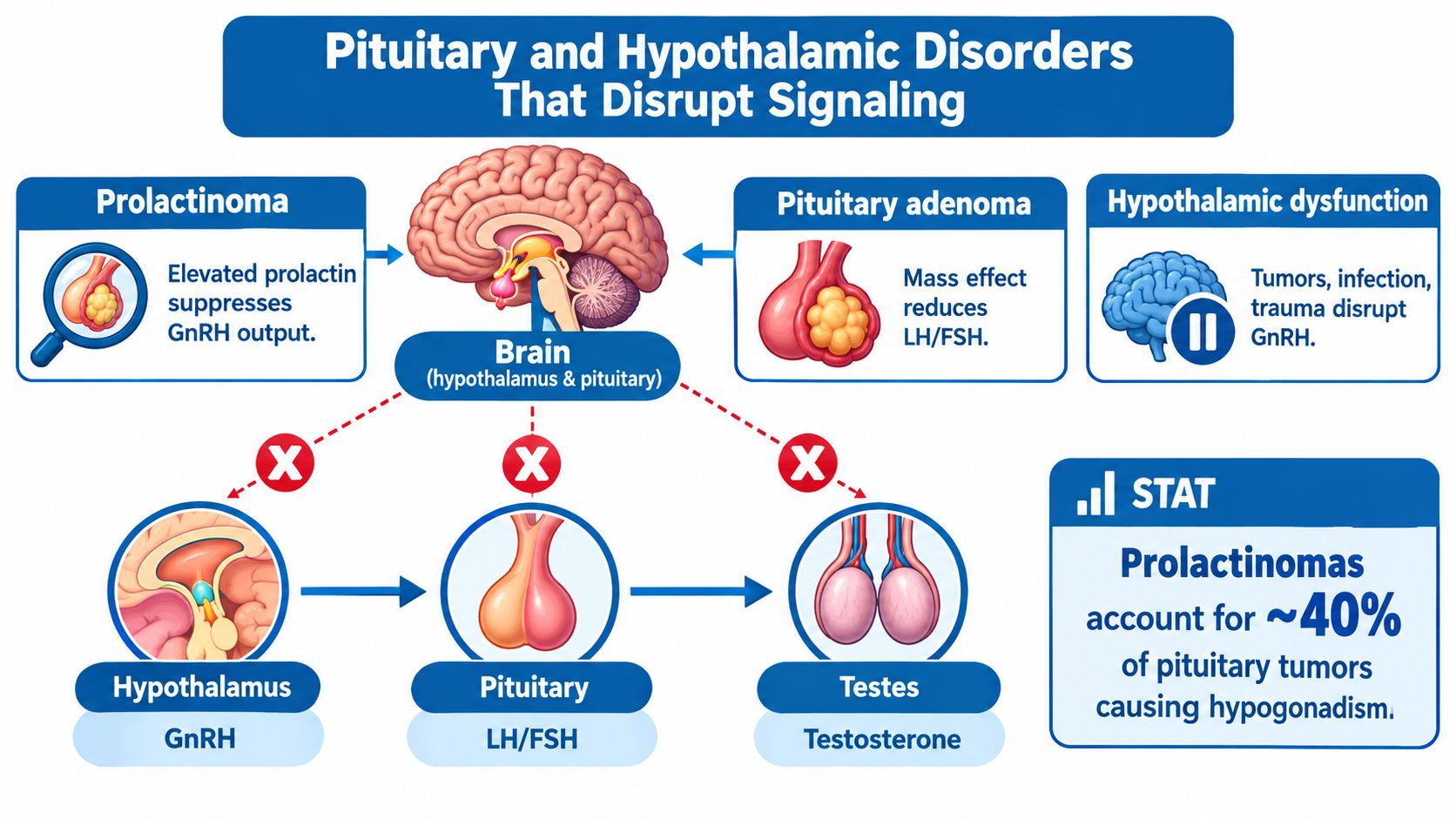
Low testosterone can begin above the testes. The hypothalamus and pituitary act like a relay system: the hypothalamus releases GnRH, the pituitary sends LH and FSH, and the testes respond by making testosterone and sperm. A tumor, inflammation, injury, medication, or inherited disorder can interrupt that relay even when the testes are structurally intact.
Pituitary adenomas illustrate the problem. A prolactinoma raises prolactin, which suppresses GnRH and lowers the LH and FSH stimulation needed for testosterone production. Possible clues include reduced libido, erectile dysfunction, headaches, visual field changes, or milk discharge from the breast. These symptoms overlap with other forms of low T, so prolactin testing can redirect the evaluation.
Causes upstream of the testes
Kallmann syndrome affects the development or migration of GnRH-producing neurons. It may present with absent or incomplete puberty, infertility, and low testosterone alongside low gonadotropins.
Other central causes include pituitary masses, head trauma, pituitary surgery or radiation, iron overload, sarcoidosis, HIV, and other hypothalamic or pituitary disorders. The European Association of Urology guidance on male hypogonadism describes how clinicians distinguish primary from secondary hypogonadism and address organic causes such as pituitary masses or hyperprolactinemia.
For a plain-language explanation of the signaling pathway, read testosterone, LH, and FSH explained. Doctors may also order additional thyroid and hormone testing because related endocrine problems can affect the interpretation. Headaches, vision changes, unusual breast discharge, or a markedly abnormal prolactin result warrant prompt assessment. Pituitary imaging may be appropriate when the findings point to a structural cause.
Medications and Substances That Suppress Testosterone
A medication list can reveal a plausible cause before a diagnosis is labeled “idiopathic,” meaning no cause has been identified. Don't stop a prescribed medicine on your own, but do bring every prescription, over-the-counter product, supplement, and recreational substance to the appointment.
| Medication/Substance | Mechanism | Clinical Context |
|---|---|---|
| Opioids | Suppress hypothalamic signaling and reduce gonadotropin stimulation | Long-term use can contribute to secondary hypogonadism |
| Glucocorticoids | Inhibit pituitary and hypothalamic signaling | Risk depends on exposure and underlying illness |
| Anabolic steroids | Shut down natural LH and FSH production | Symptoms may appear after cycling or withdrawal |
| Exogenous testosterone | Suppresses the body's own production | Can reduce sperm production and testicular stimulation |
| Heavy alcohol use | Disrupts hypothalamic signaling and Leydig cell function | May compound liver disease and poor sleep |
| Prolactin-raising antipsychotics | Increase prolactin and suppress reproductive signaling | Risperidone and haloperidol are examples |
| Other agents | May alter testosterone metabolism or hormone signaling | Finasteride, anticonvulsants, and certain antifungals require review |
The medication effect can be direct or indirect. Opioids and glucocorticoids can reduce central signaling, while anabolic steroids and testosterone therapy tell the brain that enough androgen is already present, causing LH and FSH to fall.
Alcohol deserves a broader review because it can affect the brain, testes, sleep, weight, and liver at the same time. Likewise, a man taking medication for chronic pain may have symptoms caused by both the opioid and the condition that led to opioid treatment.
A careful clinician weighs the reason for each medication against its possible hormonal effect. Sometimes the appropriate answer is dose adjustment, substitution, treatment of the underlying disease, or observation after a supervised change. Sometimes the medication is necessary, and the clinician must address testosterone within that larger safety picture.
How Causes Shape Evaluation and Diagnosis
A low testosterone result is a clue, not a diagnosis. Evaluation starts with symptoms, health history, examination, and testing done under appropriate conditions. Fatigue alone points in many directions, including sleep apnea, depression, thyroid disease, anemia, diabetes, medication effects, and chronic illness. Weight gain, poor sleep, and metabolic disease can also lower testosterone temporarily or contribute to a longer-term functional decline.
One result cannot settle the question. Testosterone changes with the time of day and a person's health status, so clinicians generally repeat a low morning result and check whether the symptoms match the laboratory findings. The goal is to connect the number with the cause, much like tracing a warning light back to the system that produced it.
What the initial workup may include
- Repeat testosterone testing: Shows whether the low result persists under appropriate conditions. Pause Medical explains how to get testosterone levels checked.
- LH and FSH: Helps separate testicular failure from reduced signaling by the brain.
- Prolactin: Deserves attention when LH and FSH are low or inappropriately normal, or when symptoms suggest pituitary disease.
- Metabolic testing: Glucose, A1C, and lipid testing can identify diabetes and broader cardiometabolic risk.
- Sleep assessment: Snoring, witnessed breathing pauses, and unrefreshing sleep may support evaluation for obstructive sleep apnea.
- Medication review: Opioids, glucocorticoids, anabolic steroids, antipsychotics, and other agents may explain secondary suppression.
SHBG changes how total and free testosterone should be interpreted, particularly in obesity and metabolic illness. The testing plan should follow the clinical picture rather than automatically ordering every hormone test.
Supplements need the same careful review as prescription products. A hormone balance supplements guide can explain common product categories, but supplements should not replace repeat testing or evaluation for pituitary, testicular, metabolic, or medication-related causes.
A low number is a clue, not a complete diagnosis. The useful questions are whether the result persists, whether symptoms fit, and what the hormone pattern suggests about the source.
When to Seek Care and What to Do Next
Book an evaluation if symptoms persist and interfere with daily life, relationships, work, exercise, or fertility goals. Persistent fatigue, low libido, erectile changes, mood disturbance, unexplained muscle loss, and infertility concerns deserve attention because they can reflect low testosterone or another treatable medical problem.
Start with preparation rather than self-prescribing. Bring recent laboratory results, write down when symptoms began, note sleep quality and changes in weight, and prepare a complete medication and supplement list. Ask whether a morning total testosterone test should be repeated and whether LH, FSH, and prolactin are appropriate based on the initial result.
Questions worth asking
- Could a metabolic condition be contributing? Ask about obesity, insulin resistance, type 2 diabetes, liver disease, and sleep apnea.
- Does the LH and FSH pattern suggest primary or secondary hypogonadism? This helps identify whether the testes or the signaling system needs closer evaluation.
- Could a medication or substance be suppressing testosterone? Review opioids, steroids, glucocorticoids, antipsychotics, alcohol, and other relevant exposures.
- Do fertility plans change treatment? Testosterone therapy can suppress sperm production, so reproductive goals should be discussed before treatment.
- Would an endocrinology or urology referral help? Referral may be appropriate when results suggest pituitary disease, genetic testicular failure, infertility, or a complex chronic illness.
Treatment may involve sleep care, weight management, diabetes management, medication adjustment, treatment of a pituitary disorder, testosterone therapy, or a combination of approaches. Pause Medical's guide to testosterone therapy for men explains why treatment decisions should include individualized assessment and ongoing monitoring.
This article is educational and doesn't replace a medical evaluation. Testosterone therapy, bioidentical hormones, GLP-1 medications, and medication management carry individual considerations, and only a qualified clinician can determine whether they're appropriate. If you have severe headache, sudden vision changes, or other urgent symptoms, seek prompt medical care rather than waiting for a routine hormone consultation.
Pause Medical offers in-person hormone replacement therapy, testosterone evaluation, medically supervised weight loss, and disease management for Mississippi patients, with personalized plans and ongoing provider oversight. Visit Pause Medical to schedule a consultation and discuss the possible causes of your symptoms before deciding on treatment.