Testosterone Replacement Therapy Reviews: 2026 Guide
Considering Testosterone Replacement Therapy, but feeling overwhelmed by the flood of online reviews? You're not alone. Search results for testosterone replacement therapy reviews mix slick telehealth offers, local men's health clinics, Reddit-style anecdotes, and aggressive promises about energy, libido, body composition, and confidence. The hard part isn't finding options. It's figuring out which reviews reflect safe medical care and which ones mostly reflect marketing.
That matters because TRT isn't a generic wellness product. It's medical treatment with real upside for the right patient and real trade-offs if you skip proper evaluation. In older men with low testosterone, the large coordinated Testosterone Trials enrolled 788 participants and found improvement in sexual function, mood and depression symptoms, bone mineral density and strength, and anemia. That's meaningful. It's also not the same as saying testosterone is a cure-all for every tired, stressed, low-motivation adult.
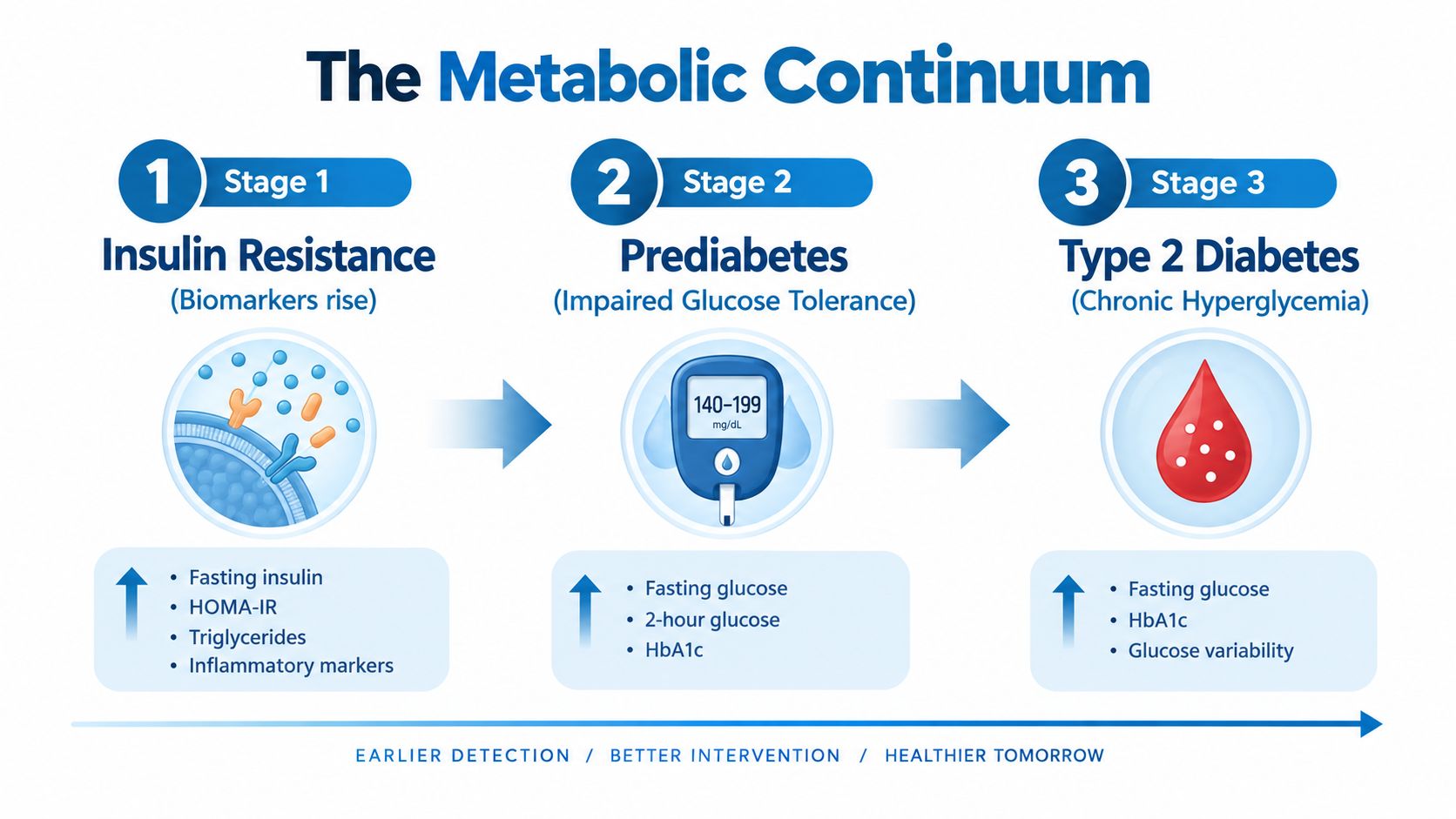
For Mississippi residents, the next step after reading reviews shouldn't be guessing. It should be finding a provider who can assess symptoms, labs, risks, goals, and practical concerns like fertility, follow-up, and whether in-person care would help. If metabolic symptoms are part of the picture, Tecton Ketones explains metabolic hunger in a way many patients find useful alongside hormone research.
1. Pause Medical
Pause Medical stands out because it solves a problem many Mississippi patients run into quickly. National TRT platforms can look convenient at first, but once you need labs reviewed in person, a physical exam, medication adjustments, or a broader conversation about weight gain, fatigue, libido, sleep, and metabolic health, fully remote care can start to feel thin.
Pause Medical is built around local access in Mississippi, with online scheduling, in-person provider visits, ongoing monitoring, and coordinated services that go beyond a single testosterone prescription. That includes hormone therapy, medication management, a supplements shop, an at-home TRT program, and on-site lab testing. The clinic also offers a Wellness Lab Panel draw for $199.
Why Pause Medical fits Mississippi patients
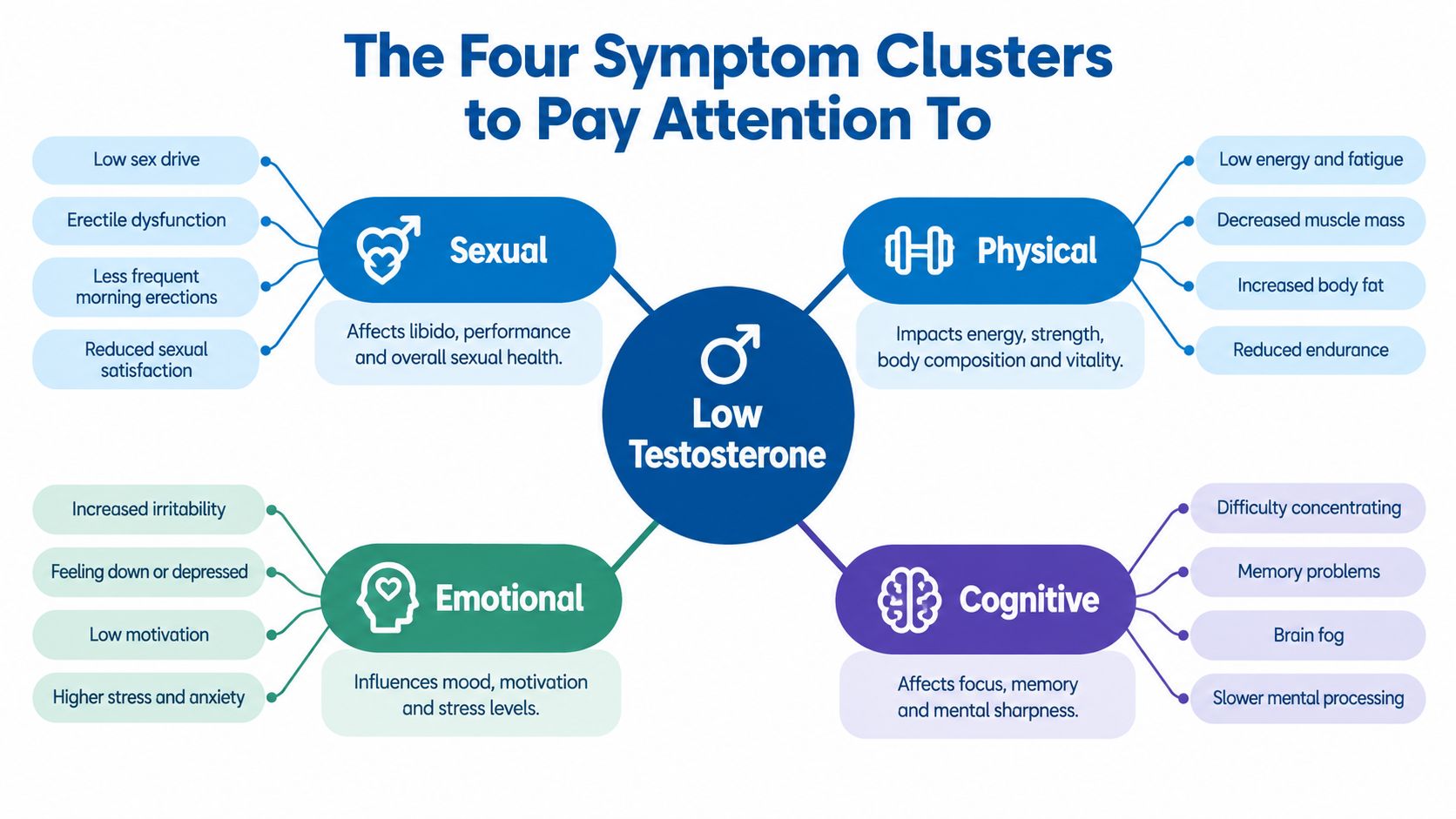
The practical advantage is simple. You can research online, then sit down with a clinician near home instead of trying to manage every concern through messages and shipped meds alone. That's especially important when symptoms overlap. Low testosterone symptoms can resemble poor sleep, weight-related metabolic issues, thyroid problems, stress, depression, or medication side effects.
If you want a baseline on the broader treatment philosophy, Pause Medical's guide on what hormone replacement therapy involves is a useful starting point.
Practical rule: The best TRT review is still less valuable than a careful in-person evaluation when your symptoms could have more than one cause.
Pause Medical also presents itself as a statewide, local-provider model rather than a distant call-center approach. For patients in places like Oxford, Meridian, Tupelo, Flowood-Jackson, and Starkville, that changes the experience. Convenience matters, but continuity matters more once treatment begins.
Real-world trade-offs
What works here is integration. A patient who needs hormone evaluation and medically supervised weight management can address both in one clinic relationship. That's often better than trying to piece care together across a telehealth testosterone company, a local lab, and a separate primary care office.
What doesn't work for everyone is the self-pay model. Pause Medical doesn't accept insurance, so out-of-pocket cost is part of the decision. For some patients, that's a deal-breaker. For others, the trade-off is worth it because the process is direct, the care is local, and the plan is individualized rather than squeezed into a national subscription template.
A second strength is patient education. That matters because many testosterone replacement therapy reviews skip the uncomfortable but important questions. Who should avoid TRT? What if fertility still matters? What if the problem isn't testosterone at all? The right clinic doesn't rush those conversations.
2. Hone Health

Hone Health is one of the cleaner telehealth options if you value structure. Its memberships, lab cadence, medication formats, and telehealth workflow are easier to understand than many competitors. That sounds minor, but it matters when you're comparing testosterone cypionate, creams, troches, and alternatives like enclomiphene.
This is a better fit for patients who want a defined process and don't mind paying for convenience. It's less ideal for someone who wants the deepest in-person relationship or the lowest possible total cost.
What patients usually like
Hone's strongest selling point is predictability. The membership model makes the path easy to follow, and the shipped-to-home approach reduces friction. That matches a broader shift in treatment delivery. One industry analysis reported U.S. testosterone prescriptions rising from 7.3 million in 2019 to over 11 million in 2024, with telehealth platforms, subscription models, and direct-to-patient delivery becoming more important.
That trend doesn't automatically mean better care. It does explain why Hone appeals to busy adults who want fewer steps.
For men still sorting out symptoms before treatment, Pause Medical's overview of low testosterone symptoms in men can help frame the discussion before you commit to any provider.
Where telehealth friction shows up
The downside is cost layering. Membership fees are one thing. Medication charges are another. Shipping and timing can become sore spots, especially if you compare telehealth pricing with a local pharmacy path.
Some patients do well with telehealth until the first medication delay or lab question. That's usually when they realize how much they value having a local clinic.
Hone makes sense if you want a polished, national telehealth experience. It makes less sense if your case is clinically messy, you want hands-on in-person support, or you're already skeptical of subscription medicine.
3. Defy Medical
Defy Medical has a different audience from simplified TRT startups. It's more attractive to patients who know they may need more than a basic testosterone script. That includes people asking about fertility preservation, thyroid issues, multi-hormone optimization, or adjunctive medications.
In testosterone replacement therapy reviews, Defy often appears near the top for complexity. That's not the same as saying it's the best option for everyone. Complexity helps the right patient and overwhelms the wrong one.
Best for patients who need a deeper bench
Defy's strength is protocol depth. If someone has already failed a simplistic approach, had side effects, or needs a more individualized plan, a specialty clinic with broader hormone experience can be valuable. The challenge is that highly customized care usually comes with a premium feel and premium pricing.
That's where expectations matter. If your needs are straightforward, you may not need a clinic built for advanced cases. If your needs aren't straightforward, a cheap flat-fee service often becomes expensive in other ways, like poor symptom control or fragmented follow-up.
Patients comparing benefit claims should also read balanced education, not just testimonials. Pause Medical's article on benefits of hormone replacement therapy is useful because it sets a more realistic frame than many marketing pages.
The trade-off most people miss
A lot of men focus only on symptom gains and forget reproductive consequences. That's where consumer reviews are often weakest. Major clinical sources such as Cleveland Clinic note that TRT can suppress the body's own production, cause smaller testicles, and reduce sperm count leading to infertility in men who may want children later, as outlined in its TRT overview with fertility considerations.
If fertility matters, ask that question early. Don't wait until after you've started treatment.
4. Marek Health
Marek Health attracts a data-driven crowd. If you like extensive lab work, long intake forms, advanced optimization language, and detailed protocol discussions, this style of clinic will feel reassuring rather than excessive.
That approach has real strengths. It also has a failure mode. Some patients start chasing biomarkers and add-ons when what they really need is a simpler diagnosis, a cleaner treatment plan, and better follow-up on symptoms that matter in daily life.
Diagnostics first can be a strength
Marek's best feature is restraint before prescribing. A thorough workup can help identify when testosterone isn't the whole story. That's especially useful because not every patient with fatigue, brain fog, low drive, or stubborn weight issues has true hypogonadism.
A measured start matters because the evidence isn't equally strong across all symptom categories. The American Academy of Family Physicians notes in its review of testosterone therapy considerations that evidence is mixed or weak for vitality, fatigue, cognitive function, and overall quality of life in men without clear hypogonadism, and that benefits for strength or physical function are often small even when lean mass increases.
That's the kind of nuance many glowing reviews leave out.
Who should choose Marek
Marek is a fit if you want heavy diagnostics, broad options, and a detailed telehealth process. It's less appealing if you're trying to keep care simple or avoid upsell pressure.
Before moving ahead with any optimization-style clinic, it helps to understand the practical basics of starting treatment. Pause Medical's walkthrough on how to start hormone replacement therapy gives a more grounded sequence than most performance-focused wellness brands.
- Good fit: Patients who want detailed labs and are comfortable with a highly managed process.
- Less ideal: Patients who prefer a straightforward clinic visit and minimal add-ons.
- Big question to ask: What problem are we actually treating if the labs look interesting but the symptoms are nonspecific?
5. Low T Center
Low T Center is one of the clearest examples of the in-person clinic model at scale. That matters because many testosterone replacement therapy reviews compare telehealth companies against each other and ignore the fact that a lot of patients prefer to walk into a clinic, get labs handled on site, and talk to someone face to face.
For those patients, Low T Center has an obvious advantage. Physical presence reduces friction around phlebotomy, follow-up, injection teaching, and accountability.
What the clinic model gets right
This setup often works well for men who don't want to self-manage every detail. Standardized clinic systems can be a plus if you value repetition and routine over customization. Same-location labs also remove a common annoyance in remote care.
That said, larger multi-state clinic brands can feel variable from one location to another. Public reviews often reflect local staffing, scheduling, and communication more than the brand promise itself. That means review quality can be inconsistent and harder to interpret.
For patients trying to understand the current care path before choosing a provider, Pause Medical's guide on what to expect from testosterone replacement therapy in 2026 helps set expectations around evaluation, monitoring, and ongoing management.
What usually works: In-person clinics are strongest when you want routine, direct contact, and less DIY coordination.
Where it can fall short
Low T Center isn't the best fit if you want fully itemized online pricing or a highly bespoke protocol. It's designed more around operational consistency than boutique personalization.
That's not automatically bad. Many patients do better with a steady, repeatable system than with a complicated “optimization” plan they can't sustain. But if your case involves fertility concerns, overlapping endocrine issues, or a desire for broader metabolic care, a local integrative clinic may be a better match.
6. Renew Vitality

Renew Vitality sits between national telehealth convenience and local clinic familiarity. It appeals to patients who want a branded clinic experience with in-person support rather than a purely remote membership setup.
That can be a comfortable middle ground. You get more continuity than piecing things together yourself, but you still need to look closely at how transparent the clinic is about treatment expectations, ongoing costs, and clinical limits.
Why some patients prefer this model
A lot of men feel more confident starting TRT in a clinic where evaluations and follow-up happen under one roof. That's not just emotional comfort. It can improve adherence because the patient knows where to go when questions come up.
The larger market backdrop also matters. One market report estimates the global testosterone replacement therapy market at $2.11 billion in 2025 and projects $2.57 billion by 2030 at about 4.0% CAGR, with North America the largest region and Asia-Pacific the fastest-growing. For patients, that usually means more service models, more marketing, and more variation in quality.
Growth creates options. It also creates noise.
What to verify before you commit
With Renew Vitality, I'd focus less on the brand story and more on practical questions:
- Monitoring plan: How often are labs reviewed, and who adjusts treatment?
- Medication coordination: How are prescriptions dispensed, and what happens if delays occur?
- Clinical boundaries: What happens if fertility, sleep apnea risk, obesity, or mood symptoms complicate the picture?
A clinic can have a reassuring in-person format and still fall short if those basics aren't clear.
7. TRT Nation
TRT Nation is the budget-conscious option in this roundup. Its appeal is straightforward. The program is designed around injectable testosterone, simplified onboarding, and flat-fee positioning that attracts patients who want a lower-friction path.
For some men, that's enough. For others, it's too narrow.
Why the value pitch works
If your priorities are affordability, simplicity, and a direct telehealth process, TRT Nation is easy to understand. That clarity is a real advantage in a category filled with vague promises and hidden complexity.
It may also appeal to younger men entering the space, especially since the earlier industry analysis noted growing demand among men ages 35 to 44. But convenience shouldn't erase judgment. Lower cost doesn't help much if the protocol isn't a good match for your medical situation.
Where basic becomes too basic
The limitation is customization. Injectable-focused, value-driven models can work for uncomplicated cases, but they're less attractive if you want multiple formulation options, broad diagnostic work, or a more nuanced conversation about side effects and goals.
A more recent evidence review summarized in The Lancet pooled data from 938 participants across seven studies00169-1/fulltext) and found testosterone improved Aging Males' Symptoms scores, sexual function, and quality of life in men with low serum testosterone. That's encouraging. It still doesn't mean every low-energy man with borderline labs should be rushed into treatment.
Good TRT care isn't just about getting testosterone shipped. It's about knowing why you're taking it, what you're watching, and when to reassess.
TRT Nation is worth considering if price and simplicity lead your decision. It's a weaker fit if you want local continuity, fertility-focused counseling, or broad metabolic support.
TRT Reviews: 7-Provider Comparison
| Service | 🔄 Implementation complexity | ⚡ Resource requirements | ⭐📊 Expected outcomes | 💡 Ideal use cases | Key advantages |
|---|---|---|---|---|---|
| Pause Medical | Moderate, combines online booking with in-person evaluations and ongoing monitoring | On-site phlebotomy (Wellness Lab Panel $199), clinician visits, self-pay (cards/cash) | Integrated HRT + medically supervised weight-loss with measurable metabolic and symptom improvements | Patients in Mississippi wanting clinician-led, in-person coordinated care | Statewide local clinics; integrated testing; personalized plans; strong community reviews |
| Hone Health | Low–Moderate, structured telehealth membership workflows with scheduled labs | Membership tiers + meds billed separately; at-home or lab testing; shipped meds | Predictable hormone titration with regular lab cadence and documented monitoring | Users who prefer nationwide telehealth with transparent membership tiers | Clear pricing tiers; multiple medication forms; documented lab cadence; large review base |
| Defy Medical | High, individualized, physician-supervised protocols for complex cases | Extensive labs, specialist oversight, higher (premium) pricing | Comprehensive multi-hormone optimization for complex fertility/thyroid or refractory cases | Patients needing advanced, customized hormone protocols beyond basic TRT | Depth of clinical protocols; broad education library; strong third‑party reviews |
| Marek Health | High, diagnostics-first, deep lab review before prescribing | Extensive diagnostic panels, peptides and adjunct therapies, generally higher cost | Data-driven, multi-modal optimization targeting performance and longevity metrics | Biohackers/fitness-focused patients who want deep diagnostics and tailored protocols | Robust diagnostics; broad protocol catalog; appeals to data-driven patients |
| Low T Center | Low–Moderate, standardized franchise processes with in-person visits | 40+ clinics for exams and phlebotomy; variable local pricing | Standardized TRT outcomes with convenient on-site follow-up | Patients who prefer face-to-face care and same-location labs | Large clinic network; on-site labs; consistent, standardized workflows |
| Renew Vitality | Low–Moderate, clinic network emphasizing continuity of in-person care | Multiple local clinics, partner pharmacies, pricing quoted after evaluation | Ongoing TRT management with local continuity and injection support | Patients seeking local continuity of care within one brand | Local clinic access; coordinated follow-up; patient testimonials |
| TRT Nation | Low, streamlined, injectable-focused program with flat-fee approach | Flat-fee program covering meds and supplies; scheduled basic labs; telehealth access | Cost-effective injectable TRT for eligible men with straightforward needs | Budget-conscious patients wanting an injectable-only, low-complexity path | Low advertised total cost; simple onboarding; clear how-to materials |
Your Next Step From Reviews to a Personalized Plan in Mississippi
Online reviews help you narrow the field, but they don't tell you whether TRT is appropriate for your body, your symptoms, or your goals. That decision takes a medical history, lab review, and a conversation that goes deeper than “Do you feel tired?” The right provider should ask about libido, mood, sleep, body composition, medications, future fertility, and whether another diagnosis could explain the same symptoms.
That's why Mississippi patients often do better with a clinic that can move from research to real care without making everything remote. Pause Medical fills that gap. You can schedule online, meet with a provider in person, and build a plan that looks at hormone health together with weight, metabolic issues, and symptom patterns that may be overlapping.
A thoughtful clinic also helps patients avoid common mistakes. The biggest one is assuming testosterone is a broad wellness fix. In reality, it can be very helpful for the right patient and disappointing for the wrong one. Another mistake is ignoring fertility and testicular function. If future children matter, that discussion needs to happen before treatment starts, not after.
Frequently asked questions
What should I look for in a TRT provider?
Look for a clinician-led process with individualized evaluation, regular lab monitoring, clear patient education, and a willingness to say no when TRT isn't the best answer. Good providers don't just sell treatment. They explain the trade-offs.
Is in-person care better than online-only TRT?
Not always, but it's often better for the initial evaluation and for patients with more complex symptoms. In-person care also makes it easier to build trust, review labs in context, and address problems quickly if treatment needs to change.
How do I start TRT with Pause Medical?
Start by booking a consultation. You'll meet with a Mississippi provider, review symptoms and health history, and discuss whether testosterone therapy, broader hormone care, weight management support, or another path makes the most sense.
Ready to stop comparing reviews and start getting answers? Schedule your consultation at a Pause Medical clinic near you today and take the next step with local medical support.
Medical Disclaimer: The information in this article is for educational purposes only and isn't a substitute for professional medical advice, diagnosis, or treatment. Always seek the advice of your physician or another qualified health provider with any questions you may have regarding a medical condition.
If you're in Mississippi and want more than generic testosterone replacement therapy reviews, Pause Medical offers a practical next step with local clinics, clinician-led evaluations, personalized hormone care, and ongoing support that looks beyond a one-size-fits-all TRT model.