Signs you need hormone replacement therapy: Reclaim energy and balance
Life in Mississippi is vibrant, but what happens when you don't feel vibrant anymore? You might chalk up persistent fatigue, mood swings, or stubborn weight gain to stress or aging, but often, there's a deeper, underlying cause: a hormonal imbalance. For many Mississippians, these subtle (and not-so-subtle) shifts are the body's way of signaling that it needs support. Ignoring these signs can impact everything from your energy at work to your relationships at home.
This isn't just 'part of getting older' that you have to accept. It's often a treatable medical condition. Understanding the common signs you need hormone replacement therapy is the crucial first step toward reclaiming your health and vitality. This guide is designed to cut through the confusion and provide clear, evidence-based information about what your body might be trying to tell you.
At Pause Medical, with convenient locations throughout Mississippi, we specialize in helping men across the state diagnose and treat hormonal imbalances. Our focus is on personalized, medically informed testosterone replacement therapy, aiming to restore your energy and well-being. This article will explore the eight key indicators that it might be time to schedule a compassionate, non-judgmental evaluation with a healthcare provider. We will dive into what these symptoms mean, how they are diagnosed, and what modern, medically supervised treatment options are available to help you feel like yourself again.
1. Persistent Fatigue and Low Energy Levels
One of the earliest and most pervasive signs you need hormone replacement therapy is a deep, persistent fatigue that rest and a full night’s sleep just can’t seem to fix. This isn't the normal tiredness you feel after a long day; it's a chronic state of exhaustion that can significantly impair your work performance, daily activities, and overall quality of life. This profound fatigue often stems from declining hormone levels, particularly testosterone, which is essential for regulating your body’s metabolism and cellular energy production.

For men across Mississippi, low testosterone is a frequent culprit behind this "run-down" feeling that no amount of coffee can shake. When testosterone levels drop, the body's ability to produce adenosine triphosphate (ATP), the primary energy currency of your cells, diminishes. This leaves you feeling lethargic and unmotivated, even when you haven't physically exerted yourself.
Is Your Fatigue Hormone-Related?
Consider these common scenarios. Do you find yourself unable to get through a workday without feeling completely drained? Do you lack the energy for hobbies or family activities you once enjoyed? This type of bone-deep weariness that directly impacts your lifestyle is a strong indicator that something more than simple tiredness is at play. Proper exercise is crucial for energy, but when hormones are imbalanced, even that can feel impossible.
Actionable Steps to Take
If this level of fatigue sounds familiar, it's time to investigate further rather than simply pushing through it.
- Track Your Energy: For one week, jot down your energy levels throughout the day (e.g., on a scale of 1-10) to identify specific patterns or triggers.
- Rule Out Other Factors: Consider your sleep quality, stress levels, and diet. While these are important, hormone-related fatigue often persists even when these areas are optimized.
- Seek Professional Insight: Avoid guessing with over-the-counter supplements. The most effective step is to get a clear diagnosis.
Our compassionate team at Pause Medical can help. We offer comprehensive hormone panels at our clinics throughout Mississippi to pinpoint the exact cause of your fatigue. If you're ready to stop feeling tired and start living again, book an appointment online at pausemedical.org to get started.
2. Mood Changes, Anxiety, and Depression
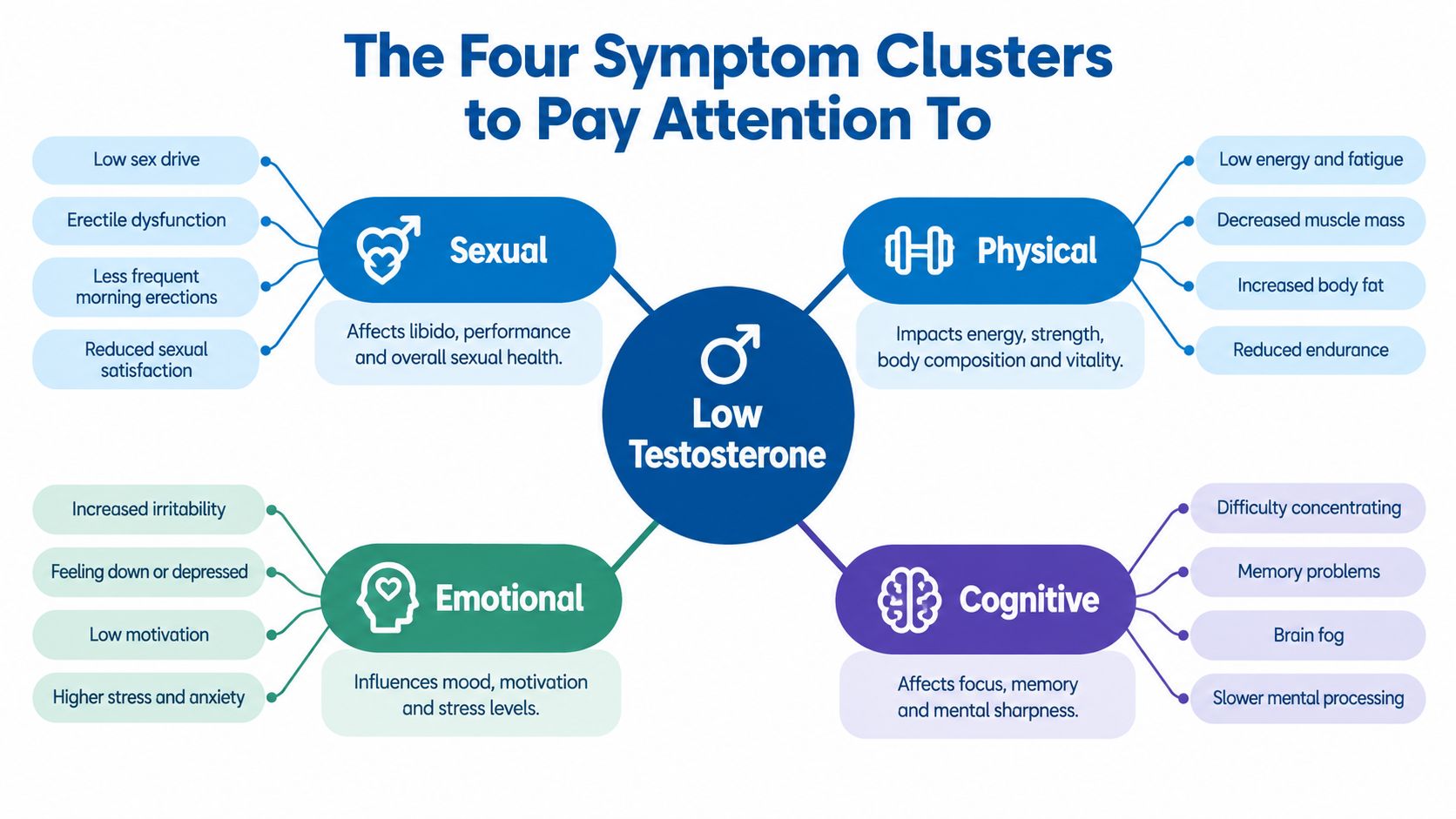
Beyond physical symptoms, another of the most disruptive signs you need hormone replacement therapy is a sudden or gradual shift in your emotional state. Hormones like testosterone play a crucial role in regulating neurotransmitters such as serotonin and dopamine, which are key to mood stability. When testosterone levels decline, men in Mississippi often experience unexplained anxiety, irritability, bouts of depression, or unpredictable mood swings that don’t seem to have an external cause. This emotional turmoil can feel confusing and isolating, impacting relationships and your overall sense of well-being.
This isn't just "having a bad day." It’s a persistent feeling of being on edge, unmotivated, or emotionally volatile. For men, low testosterone is frequently linked to symptoms of depression and social withdrawal. These emotional changes can be particularly frustrating when they don't respond well to traditional mental health approaches alone, suggesting an underlying physiological cause that needs to be addressed.
Are Your Mood Swings Hormone-Related?
Consider these common scenarios. Have you noticed a new pattern of irritability that creates tension at home or work? Are you experiencing a low mood and lack of interest in life that feels out of character? Have you developed anxiety that seems to come from nowhere? When these feelings persist and don’t align with life events, it’s a strong indicator that a hormonal imbalance could be the root cause. While mental health care is vital, it’s important to investigate all potential factors.
Actionable Steps to Take
If your emotional state feels unmanageable and unfamiliar, it's time to dig deeper instead of just trying to cope.
- Keep a Mood Journal: For two to four weeks, track your moods, noting any patterns related to time of day or specific situations. This provides valuable data for a medical provider.
- Communicate with Your Doctor: Be sure to inform any provider about your current mental health treatments. HRT can often complement existing therapies, creating a more effective overall plan.
- Understand the Connection: Acknowledge that your mental and hormonal health are deeply linked. Exploring the benefits of testosterone hormone therapy can provide insight into how rebalancing your system may improve your mood.
The team at Pause Medical understands this complex interplay. We offer detailed hormone testing and personalized treatment plans at our convenient clinics throughout Mississippi to address the root cause of your mood changes. Schedule a consultation today to start feeling like yourself again.
3. Hot Flashes and Night Sweats
Among the most well-known signs you need hormone replacement therapy are hot flashes and night sweats. These sudden, intense waves of body heat, often accompanied by a flushed face and profuse sweating, are hallmark symptoms of shifting hormone levels. This experience isn't just a minor inconvenience; it can disrupt work, social activities, and sleep, significantly impacting your quality of life. While strongly associated with declining estrogen in women, imbalances in testosterone in men can also contribute to these vasomotor symptoms.

Many individuals in Mississippi experience these episodes, from a sudden heat wave during a work meeting to waking up multiple times a night drenched in sweat. Night sweats are particularly disruptive, ruining sleep quality and leading to next-day fatigue, irritability, and brain fog. This cycle of poor sleep and daily discomfort can make it feel impossible to function at your best. These symptoms shouldn't be dismissed as something you just have to endure.
Are Your Hot Flashes Hormone-Related?
Consider if this sounds familiar. Do you find yourself layering clothing just to be able to strip a layer off at a moment's notice? Have you had to change your sheets in the middle of the night due to sweating? These are strong indicators that your body's internal thermostat is being thrown off by hormonal fluctuations. Investigating the root cause is crucial.
Actionable Steps to Take
Instead of just tolerating these disruptive symptoms, take proactive steps to understand and manage them.
- Track Your Triggers: For one to two weeks, keep a log of when your hot flashes occur. Note environmental factors like spicy foods, alcohol, stress, or a warm room.
- Optimize Your Environment: Keep your bedroom cool, use moisture-wicking bedding, and wear light, layered clothing to manage comfort throughout the day.
- Get a Professional Evaluation: The most direct way to find relief is to understand the specific hormonal imbalance causing your symptoms.
Our experienced team at Pause Medical provides personalized testosterone replacement therapy that can address these concerns. We have convenient clinics across Mississippi, making expert care accessible. Schedule an evaluation to find a lasting solution to hot flashes and night sweats.
4. Decreased Libido and Sexual Dysfunction
A significant drop in sexual desire and performance is one of the most common yet difficult-to-discuss signs you need hormone replacement therapy. This isn't just a fleeting mood; it's a physiological change that can deeply affect your self-esteem, confidence, and intimate relationships. Hormones, particularly testosterone, are the primary biological drivers of libido. When these levels decline due to age or other health factors, your interest in sex can plummet along with them.
Many Mississippi residents mistakenly attribute these changes solely to stress or getting older, accepting them as an unavoidable part of life. For men, low testosterone is a direct cause of erectile dysfunction and a reduced desire to initiate intimacy. Acknowledging these symptoms in an empowering, solution-focused way is the first step toward reclaiming this vital aspect of your well-being.
Are Your Intimacy Issues Hormone-Related?
Consider your personal experience. Have you noticed a gradual but definite loss of interest in sex that you can't explain? Do you struggle with performance issues that never used to be a problem? Many couples find their physical connection deteriorating because one partner's hormonal changes have fundamentally altered their sexual desire. These are strong indicators that a hormonal imbalance is the root cause.
Actionable Steps to Take
It’s crucial to address these symptoms with a medical professional rather than suffering in silence.
- Be Honest and Direct: Our medical providers specialize in compassionate, confidential discussions about sexual health. There is no need for embarrassment.
- Track the Timeline: Note when you first noticed changes in your libido or performance. Did they coincide with other symptoms like fatigue or mood swings?
- Communicate with Your Partner: Let your partner know you are seeking solutions. Managing expectations about the timeline for improvement, which can take several weeks, can reduce relationship stress.
The clinical team at Pause Medical is here to help you navigate this sensitive issue. With multiple locations across Mississippi, we provide a professional and non-judgmental environment to discuss your symptoms and explore effective treatment options. Schedule an evaluation to restore not just your hormones, but your confidence and intimacy.
5. Weight Gain and Metabolic Slowdown
Another key indicator that may be one of the signs you need hormone replacement therapy is persistent and frustrating weight gain, particularly around the abdomen, that occurs despite a consistent diet and regular exercise. This isn't about a few extra holiday pounds; it’s a fundamental metabolic shift where your body seems determined to store fat, no matter how hard you work. This slowdown often points to declining hormone levels, specifically testosterone, which is critical for regulating your metabolism and maintaining lean muscle mass.
For many Mississippians, this unexplained weight gain is a direct consequence of hormonal imbalance. When testosterone levels fall, a man’s ability to build and sustain muscle mass diminishes. Since muscle is metabolically active and burns more calories at rest than fat, this loss leads to a slower basal metabolic rate. The result is often central obesity, or "belly fat," which is notoriously difficult to lose through diet alone and carries significant health risks. According to the Mississippi State Department of Health, our state has one of the highest obesity rates, and addressing underlying hormonal factors can be a key part of the solution.
Is Your Weight Gain Hormone-Related?
Think about your recent experiences. Have you noticed the numbers on the scale climbing each month even though your lifestyle hasn't changed? Are you gaining weight around your midsection while perhaps losing muscle tone in your arms and legs? When traditional weight loss methods stop working, it’s a strong signal that an underlying hormonal issue needs to be addressed. This is where simply "eating less and moving more" becomes ineffective without correcting the root cause.
Actionable Steps to Take
If this stubborn weight gain and metabolic struggle resonates with you, it’s time to look beyond the scale and investigate your hormones.
- Track Beyond Weight: For a month, record your waist measurement and note changes in body composition, like how your clothes fit. This often tells a more accurate story than the scale.
- Note Metabolic Clues: Keep a log of any new carbohydrate cravings, changes in appetite, or how your body responds to exercise. Do you feel more tired after workouts than before?
- Seek Integrated Support: The most effective approach addresses both the hormonal imbalance and the metabolic consequences.
At Pause Medical, we understand this frustrating cycle. Our integrated approach combines medically supervised weight loss programs with testosterone replacement therapy to tackle the problem from all angles. By restoring your hormone levels, we can help restart your metabolism and make your efforts effective again. Discover more about how you can support your body with our nutrition tips for sustainable weight loss. Contact one of our Mississippi clinics to schedule an evaluation and get a personalized plan.
6. Sleep Disturbances and Insomnia
Difficulty falling asleep, waking up frequently during the night, or feeling exhausted even after a full eight hours are major signs you need hormone replacement therapy. Quality sleep is not a luxury; it’s a biological necessity regulated by a delicate hormonal symphony. When key hormones like testosterone decline, this entire system can be thrown into disarray, leading to chronic insomnia and non-restorative sleep. This creates a vicious cycle where poor sleep worsens fatigue, mood swings, and metabolic issues, which in turn further disrupts your sleep.
For men across Mississippi, low testosterone is a primary contributor to poor sleep quality. It can lead to trouble staying asleep and that frustrating feeling of waking up hours before your alarm, unable to drift back off. This isn't just about feeling tired; it’s about your body being unable to perform the critical restorative processes that happen during deep sleep, impacting everything from cognitive function to muscle repair.
Is Your Insomnia Hormone-Related?
Think about your sleep patterns. Do you find yourself waking up multiple times a night for no apparent reason? Do you struggle with a "tired but wired" feeling at bedtime, where your body is exhausted but your mind won't shut off? If you’ve optimized your sleep hygiene by creating a cool, dark room and maintaining a consistent schedule, yet still struggle, a hormonal imbalance is a likely suspect. Trying to solve this with sleep medications often just masks the root cause without truly fixing it.
Actionable Steps to Take
Instead of reaching for another over-the-counter sleep aid, it’s crucial to investigate the underlying hormonal cause.
- Keep a Sleep Diary: For two weeks, track your bedtime, wake-up time, number of nighttime awakenings, and how rested you feel in the morning.
- Optimize Sleep Hygiene: Ensure your bedroom is cool, dark, and quiet. Avoid caffeine and screens before bed. While helpful, these steps may not be enough if hormones are the problem.
- Get a Professional Evaluation: The only way to know for sure if your sleep issues are hormonal is through comprehensive blood work and a professional medical evaluation.
The team at Pause Medical is here to help you get to the bottom of your sleep disturbances. Our comprehensive hormone panels at our convenient clinics throughout Mississippi can identify the deficiencies disrupting your rest. Schedule a consultation today to start the journey toward deep, restorative sleep.
7. Joint Pain, Muscle Aches, and Reduced Physical Capacity
Widespread joint pain, muscle aches, and stiffness that seemingly appear out of nowhere are often mistaken for early-onset arthritis or fibromyalgia. However, these discomforts are frequently unrecognized signs you need hormone replacement therapy, particularly when they coincide with a decline in physical capacity. Hormones like testosterone play a crucial role in maintaining muscle mass, supporting strength recovery, and managing inflammation.
When testosterone levels drop, the body's ability to repair muscle tissue and lubricate joints diminishes. This hormonal shift can lead to increased inflammation, making joints more vulnerable to pain and stiffness. For many men in Mississippi, this manifests as a frustrating cycle of inactivity and deconditioning, where the pain prevents them from exercising, which in turn worsens their physical state.
Are Your Aches and Pains Hormone-Related?
Consider your recent physical experiences. Do you find yourself unusually sore after activities you used to handle with ease? Have you developed persistent stiffness, especially after periods of rest, that makes it hard to get going? Men with declining testosterone often report unexpected muscle weakness and nagging joint pain, forcing them to give up favorite hobbies like golfing, hunting, or working out. This significant impact on your quality of life is a strong indicator that hormonal imbalance is the underlying cause.
Actionable Steps to Take
If unexplained physical pain is limiting your lifestyle, it's crucial to look beyond common assumptions like aging or arthritis.
- Track Pain Patterns: Note the location, intensity, and timing of your pain. Does it correlate with periods of high stress or inactivity? This log can provide valuable clues.
- Maintain Gentle Movement: While intense exercise may be difficult, consistent, gentle movement like walking or stretching can prevent further stiffness while you await a diagnosis and treatment.
- Seek a Professional Diagnosis: Avoid self-diagnosing or assuming your pain is an inevitable part of getting older. A proper evaluation is the only way to identify the root cause.
Don't let pain dictate your life. The providers at Pause Medical can determine if low testosterone is contributing to your joint and muscle issues. With clinics located conveniently across Mississippi, expert care is always nearby. Schedule a consultation today to get to the bottom of your pain and reclaim your physical freedom.
8. Cognitive Changes, Brain Fog, and Memory Issues
Difficulty concentrating, struggling to find the right word, or feeling like you're in a persistent "brain fog" are often overlooked but significant signs you need hormone replacement therapy. This isn't just a matter of being distracted; it's a frustrating decline in mental clarity that can affect your confidence and performance. These cognitive shifts are frequently linked to hormonal imbalances, particularly low testosterone, which plays a crucial role in neurotransmitter function and blood flow to the brain.

For many Mississippians, these cognitive symptoms can be alarming and are sometimes mistaken for early signs of more serious conditions. Men with low testosterone often report a sharp decline in their ability to focus at work, make clear decisions, and retain new information.
This reduction in mental sharpness directly impacts professional life and personal satisfaction, creating a cycle of frustration and anxiety.
Is Your Brain Fog Hormone-Related?
Consider your daily experience. Do you find yourself re-reading the same email multiple times? Are you constantly losing your train of thought during conversations? These issues, especially when they are new and persistent, strongly suggest an underlying hormonal cause rather than just stress or aging. For instance, a high-performing professional who suddenly struggles with focus or a student finding it impossible to concentrate on their studies could be experiencing the cognitive effects of low testosterone.
Actionable Steps to Take
Instead of accepting cognitive decline as inevitable, it's crucial to investigate its root cause.
- Log Your Symptoms: For one to two weeks, keep a simple journal of your cognitive difficulties. Note the time of day they are worst and any related factors like sleep or stress.
- Avoid Self-Diagnosis: It's easy to attribute these symptoms to anxiety or attention disorders. However, getting a professional evaluation is essential, as hormonally-induced cognitive issues are highly treatable.
- Consult a Hormone Specialist: The most direct path to clarity is a comprehensive hormone assessment to see if your levels are impacting your brain function.
The expert providers at Pause Medical can assess your cognitive changes within the full context of your hormonal health. With clinics conveniently located across Mississippi, we make it easy for you to get the answers you need. Schedule a consultation today to restore your mental clarity.
8 Signs You May Need Hormone Replacement Therapy
Your Path to Feeling Better Starts Here in Mississippi
Navigating the landscape of your health can feel overwhelming, especially when the symptoms you're experiencing seem disconnected and confusing. Throughout this guide, we've explored the most common signs you need hormone replacement therapy, from the persistent fatigue that drains your day to the frustrating brain fog that clouds your focus. We've seen how hormonal imbalances, particularly low testosterone, can manifest in every corner of your life: disrupting your mood, impacting your sexual health, sabotaging your sleep, and making weight management feel like an impossible battle.
The crucial takeaway is that these symptoms are not isolated events or simply "part of getting older" that you have to endure. They are signals from your body indicating that a fundamental system is out of balance. Recognizing this connection is the first, most powerful step toward reclaiming your vitality. You don't have to accept a life defined by low energy, diminished drive, or unexplained weight gain. Effective, medically supervised solutions are not just a possibility; they are accessible right here in Mississippi.
Turning Recognition into Action: Your Next Steps
The journey from recognizing the signs to finding relief requires a clear, actionable plan. It's about moving beyond simply wondering if your hormones are the problem and taking decisive steps to get concrete answers. This is where professional guidance becomes indispensable. Self-diagnosing or trying unverified "solutions" can lead to more frustration and delay genuine improvement. The most effective path forward involves a partnership with a medical team that listens, understands, and uses evidence-based diagnostics to uncover the root cause of your symptoms.
At Pause Medical, we specialize in this exact process. We believe that everyone deserves to feel their best, and our approach is built on this foundation. We start with comprehensive lab testing to get a clear, objective picture of your hormonal health. This data, combined with a thorough discussion of your personal symptoms and wellness goals, allows our providers to create a truly personalized treatment plan. Our focus on Testosterone Replacement Therapy (TRT) for men is designed to address the specific symptoms of low T, helping you restore what's been lost and get back to living a full, energetic life.
Key Insight: The most significant barrier to feeling better is often inaction. The symptoms of hormonal imbalance rarely resolve on their own and can worsen over time. Taking the proactive step to get evaluated is the single most important action you can take to change your health trajectory.
Reclaim Your Health with a Trusted Mississippi Partner
Choosing to explore hormone replacement therapy is a significant decision, and you deserve a healthcare partner who makes the process clear, compassionate, and convenient. With our multiple clinic locations throughout Mississippi, expert care is always within reach. We handle the complexities so you can focus on what matters most: feeling like yourself again. Our straightforward, insurance-free model ensures there are no surprises, just dedicated support aimed at helping you achieve tangible results.
Don't let another day go by feeling less than your best. The signs you've read about are not your destiny; they are a call to action. Answering that call can lead to renewed energy, a more stable mood, improved physical performance, and a profound sense of well-being. Your path to feeling better begins with a single step.
Ready to stop wondering and start living? If you're experiencing the signs you need hormone replacement therapy, the expert team at Pause Medical is here to provide clear answers and a personalized treatment plan. Visit our website at Pause Medical to easily book your consultation online at one of our convenient Mississippi locations and begin your journey back to optimal health.