Hormone Replacement Therapy Before and After: A Guide
When considering hormone replacement therapy before and after , you're probably not looking for a dramatic marketing promise. You're looking for yourself.
Maybe you're in Mississippi, doing all the things you're supposed to do, trying to sleep better, eat better, keep up at work, show up for your family, and still feeling unlike yourself. You may be exhausted by midafternoon. You may feel short-tempered, foggy, flat, or disconnected from your own body. Some people start wondering if this is just aging. Many privately worry something is wrong and don't know where to start.
As a physician, I want you to hear this clearly. Those changes are real. They can reflect hormonal shifts, and they deserve careful medical evaluation, not dismissal.
Understanding the Before Picture of Hormonal Imbalance
For many patients, the “before” phase doesn't begin with one symptom. It builds slowly. Sleep gets lighter. Mood gets less steady. Energy drops. Motivation drops with it. Over time, daily life starts to feel harder than it used to.

What women often notice first
Women in perimenopause or menopause often describe a mix of symptoms rather than one obvious problem. Common concerns include:
- Fatigue that doesn't match your effort
- Hot flashes or night sweats
- Brain fog , including forgetfulness or trouble focusing
- Mood changes , such as irritability, anxiety, or feeling less resilient
- Sleep disruption
- Low libido
- Vaginal dryness or discomfort
- Weight changes , especially around the midsection
If low estrogen symptoms sound familiar, this plain-language guide from Qaly on low estrogen can help you compare what you're feeling with common patterns patients report.
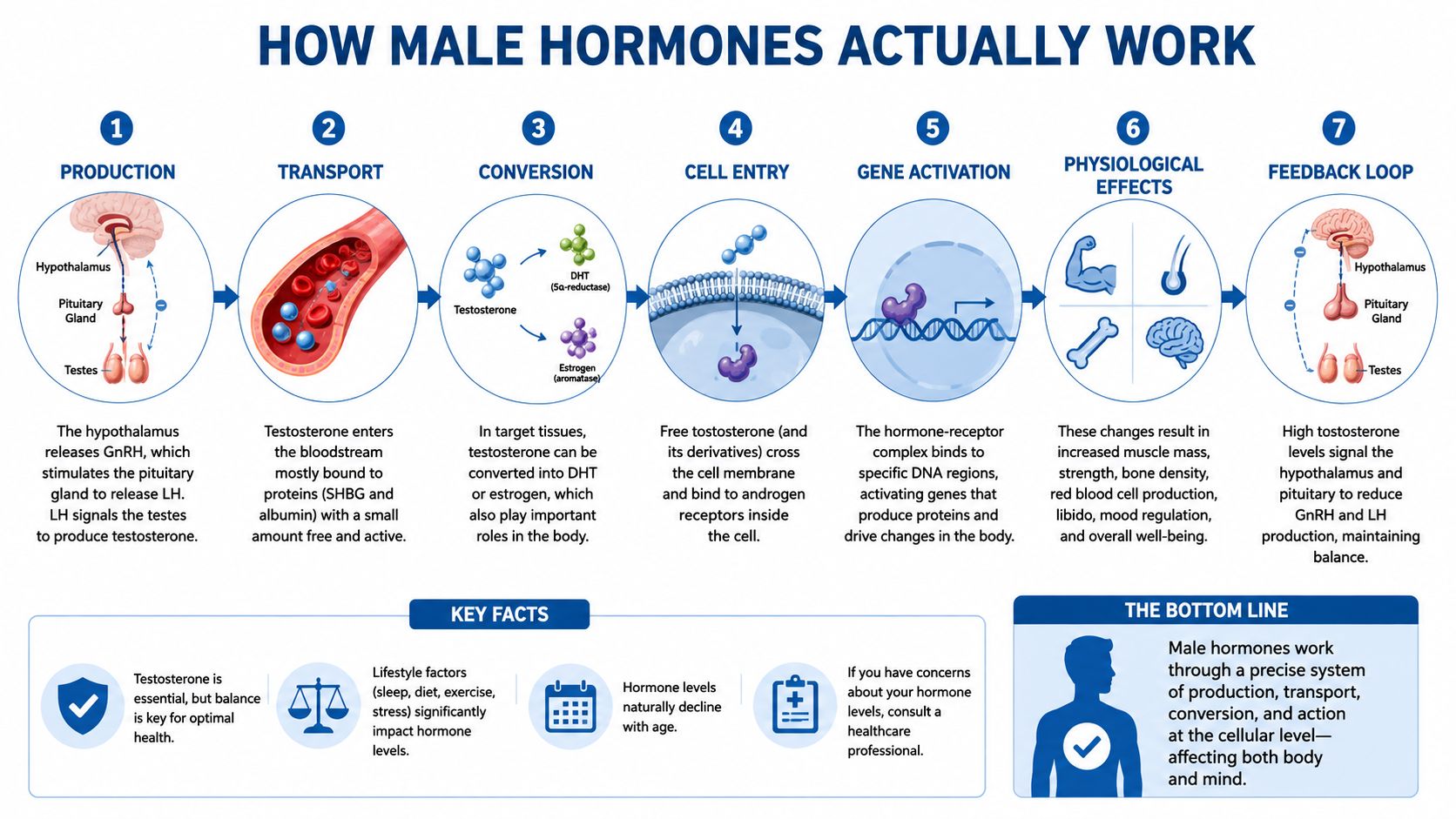
What men may experience too
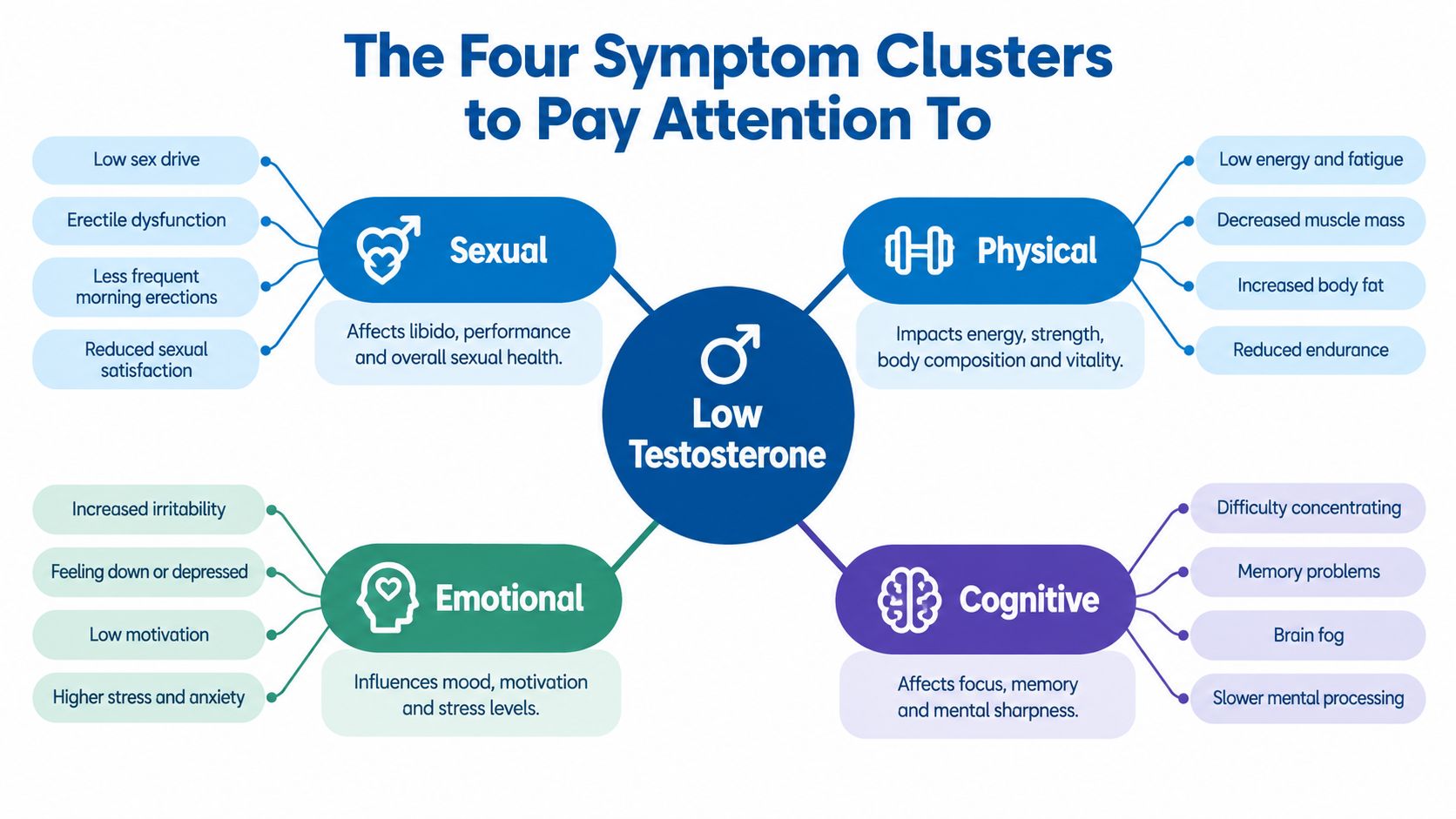
Hormonal change isn't only a women's health issue. Men can also notice symptoms that affect quality of life, including:
- Lower energy and reduced stamina
- Declining motivation
- Reduced muscle strength
- Lower sex drive
- Changes in mood
- Poor recovery from exercise
- Sleep problems
- Difficulty concentrating
These symptoms can overlap with thyroid issues, sleep apnea, diabetes, stress, depression, or medication side effects. That's why a proper medical workup matters.
Clinical reality: Feeling “off” is not a diagnosis, but it is a valid reason to get evaluated.
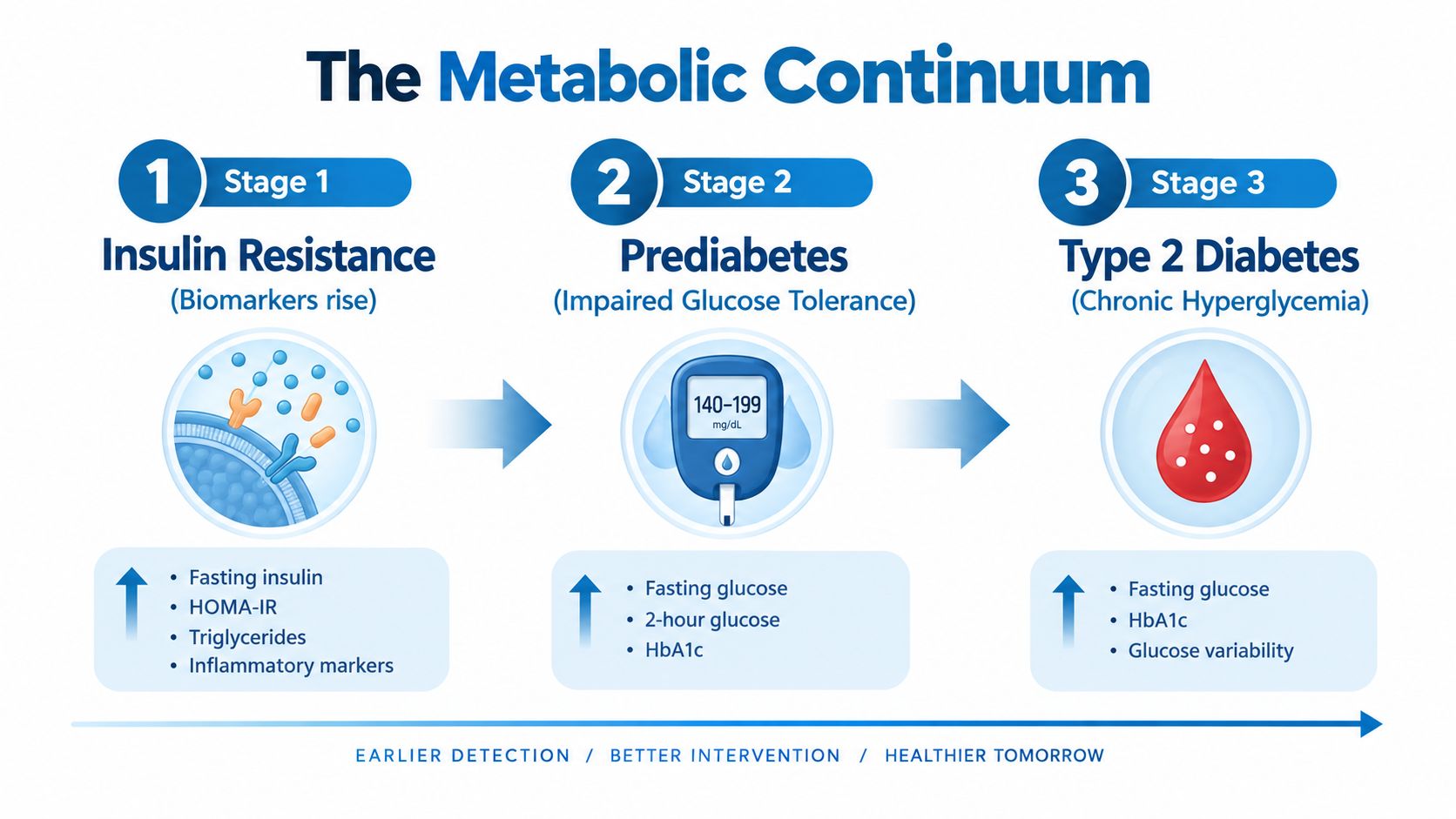
A lot of confusion comes from the fact that hormone imbalance symptoms are nonspecific. Brain fog can come from poor sleep. Weight gain can relate to insulin resistance. Low libido can reflect relationship stress, depression, medication effects, menopause, andropause, or several of those at once.
That's why the first step isn't guessing. It's sorting out the pattern. A focused review of symptoms, medical history, and lab work helps determine whether hormones are driving the picture or whether another condition needs attention first. If you'd like a broader symptom checklist, this guide on signs of hormonal imbalance is a useful starting point.
The After Experience A Head-to-Toe Guide to HRT Changes
The “after” side of hormone replacement therapy before and after is usually less dramatic than social media suggests, and more meaningful than many people expect. Most patients don't wake up one day feeling like a different person. They notice that life feels more manageable again.
A visual summary helps many patients grasp what may improve over time.

Brain and mood
One of the first changes patients describe is less mental friction. They may not say, “My hormones are fixed.” They say things like, “I can finish a thought again,” or “I don't feel on edge all day.”
That can show up as:
- Sharper focus
- Better frustration tolerance
- Less emotional volatility
- A steadier sense of well-being
For women with menopause-related symptoms, expert reviews note that HRT is highly effective for vasomotor symptoms and urogenital symptoms and can help prevent osteoporosis. The same review explains that later analyses of WHI data in women 50 to 59 or within 10 years of menopause showed cardiovascular benefits and a 30% reduction in death rate when therapy is timed correctly, which is why timing matters so much in treatment decisions ( review of HRT benefits and timing).
Sleep, energy, and daily stamina
When hot flashes and night sweats improve, sleep often improves too. Better sleep can create a chain reaction. Energy rises, patience returns, and exercise feels more possible.
Better sleep often becomes the hinge point. Once sleep improves, the rest of the day usually starts to improve with it.
Patients often describe the “after” phase here as subtle but important:
| Area | What improvement may feel like |
|---|---|
| Morning routine | Getting up without feeling depleted |
| Workday focus | Less afternoon crash |
| Physical stamina | More capacity for walking, exercise, and chores |
| Evening life | More energy left for family or personal time |
A short explainer can help if you prefer video.
Sexual health, body composition, and appearance
This is another area where patients get mixed messages. HRT can help restore comfort, interest, and responsiveness, especially when symptoms like vaginal dryness, poor sleep, and fatigue have been dragging everything down. It may also support muscle preservation and healthier fat distribution in some patients, but it isn't a cosmetic shortcut.
Skin and hair changes are often slower. Some patients notice better skin hydration or elasticity and healthier hair growth once overall hormonal balance, sleep, and nutrition improve. Those changes are real possibilities, but they vary from person to person.
For a broader overview of expected outcomes, this page on the benefits of hormone replacement therapy lays out the main treatment goals in patient-friendly language.
Mapping Your Journey A Realistic Timeline for HRT Results
The biggest mistake people make with hormone replacement therapy before and after is expecting a switch to flip. Hormone therapy is usually a guided progression , not an overnight transformation.

Early phase
In the first stretch of treatment, some patients notice small shifts before major symptoms change. Sleep may become a little more consistent. Hot flashes may feel less intense. Some people also notice temporary adjustment effects, such as breast tenderness, mild nausea, or spotting, depending on the regimen.
This is where follow-up matters. A dose that works beautifully for one patient may feel wrong for another.
Middle phase
After the initial adjustment period, patterns become easier to judge. You may notice:
- More predictable sleep
- Fewer disruptive hot flashes
- Improved mood stability
- Less brain fog
- A more reliable sense of energy
What I tell patients: Look for trends, not perfect days. We want the overall curve moving in the right direction.
Longer-term phase
Some effects take more patience. Body composition, skin comfort, sexual function, and sustained quality-of-life gains often evolve more gradually than people expect. This is one reason the “after” picture should never be compared with somebody else's timeline online.
Several clinical factors influence pace, including your baseline hormone levels, symptom burden, age, route of treatment, other health conditions, and whether sleep, nutrition, thyroid health, insulin resistance, or stress are also part of the problem. In practice, that means your timeline is personal. Good care doesn't rush that process. It tracks it.
Not One-Size-Fits-All How We Personalize Your HRT Plan
There is no single version of HRT. That's one of the most important things patients need to know.

The hormone is only part of the decision
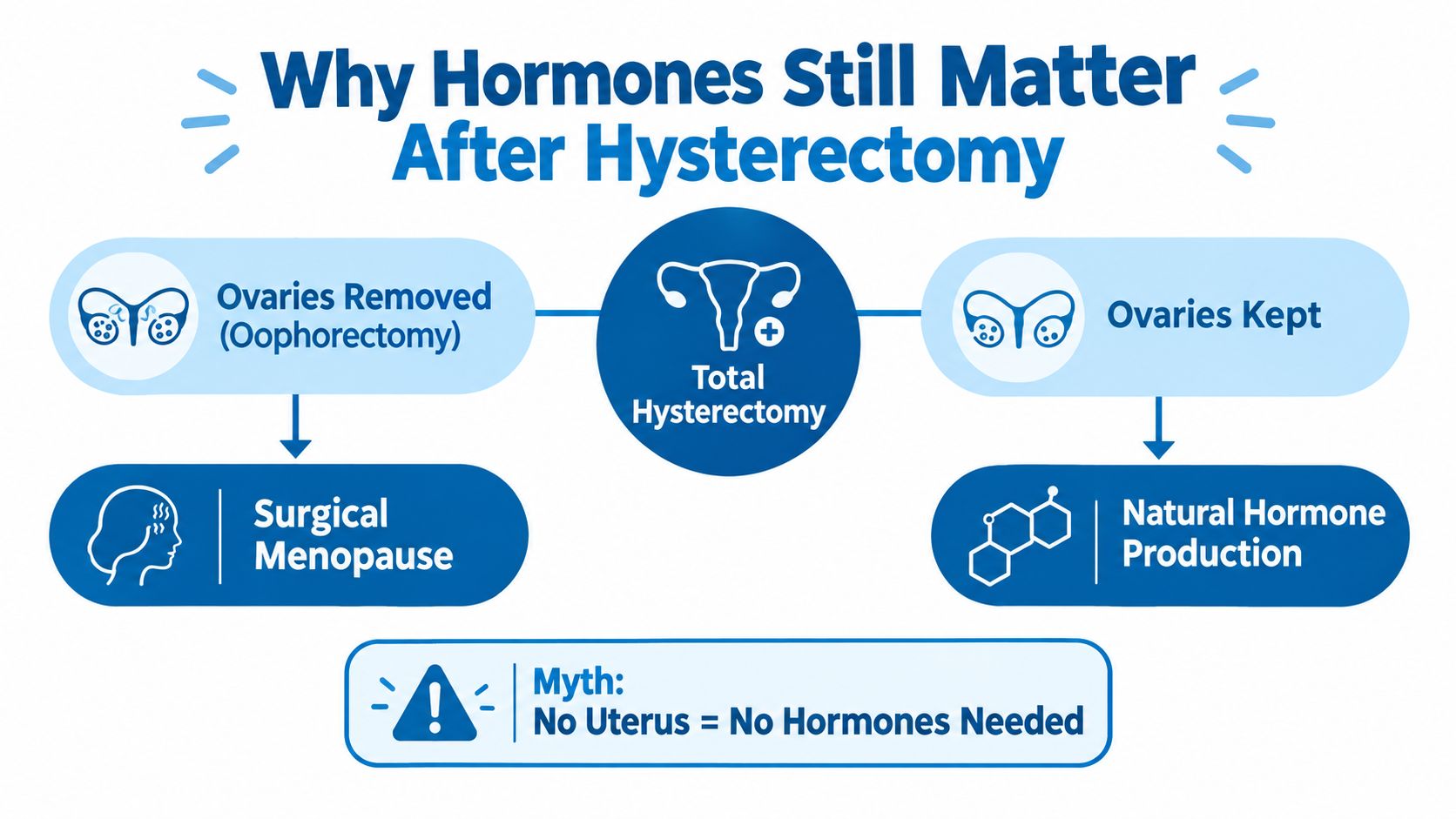
A treatment plan may differ based on whether a patient needs estrogen, progesterone, testosterone, or a combination. It may also differ based on whether the priority is hot flashes, vaginal symptoms, sexual health, low energy, sleep disruption, or protection of bone health.
Then there's how the hormone is delivered. Pills, patches, creams, vaginal options, and other formulations don't behave the same way in the body.
Evidence summarized in StatPearls notes that low-dose, transdermal, or vaginal hormone therapy generally offers a better risk-mitigation profile than medium- or high-dose oral regimens, in part because non-oral delivery avoids the first-pass liver exposure linked to thrombotic complications. The same source also states that HRT is not associated with weight gain , and one large retrospective cohort of 6,566 participants reported lower diabetes incidence over 20 years with a hazard ratio of 0.693 among users ( StatPearls review on HRT route, dose, and metabolic effects).
What personalization looks like in real life
A careful clinician matches treatment to your health profile, not to a trend. That often means thinking through questions like these:
- Do you have a uterus? This affects whether estrogen is paired with progestogen.
- Are vascular or clotting risks a concern? Route and dose matter here.
- Are symptoms mostly vaginal or systemic? Local therapy and systemic therapy serve different goals.
- What side effects are you sensitive to? Small adjustments can change tolerability.
- What does your lab and medical history show? Symptoms alone don't tell the whole story.
At Pause Medical's wellness lab panel, patients can get data that helps guide these decisions alongside symptom review and medical evaluation. Used correctly, testing doesn't replace clinical judgment. It sharpens it.
The best plan is rarely the most aggressive one. It's the one that fits your symptoms, your risks, and your life.
Safety First How Pause Medical Ensures a Secure HRT Journey
A lot of fear around HRT traces back to the Women's Health Initiative, or WHI. That fear is understandable. It changed prescribing patterns across the world.
Historically, HRT was available as early as the 1960s , rose to a major global peak in 1999 to 2000 , and then declined sharply after the 2002 WHI findings. A review of HRT history reported that use fell by 46% in the USA and 28% in Canada after the announcement, showing how strongly safety data shaped clinical practice ( history of HRT use and decline after WHI).
What the WHI did and did not mean
The original WHI reports in 2002 and 2004 studied women with median ages of 63.2 and 63.6 and found increased risks of coronary heart disease, stroke, and venous thromboembolism compared with placebo. Later reanalysis changed how clinicians interpret those findings.
A scientific review in Circulation explains that when HRT is initiated in women 50 to 59 or within 10 years of menopause , the absolute risks are much lower. It also cites a meta-analysis of 19 randomized trials involving 40,410 women that found no significant increase in all-cause mortality, cardiovascular death, or myocardial infarction in that lower-risk timing window ( AHA review on HRT timing and cardiovascular safety).
That's the point many patients never heard after the original headlines. Timing changes risk. Starting earlier is not the same as starting later.
How safe treatment is built
Safe HRT isn't just about whether someone takes hormones. It's about who , when , which formulation , what dose , and how closely they're monitored .
A strong safety process includes:
- Careful history-taking to identify clotting, breast, liver, or cardiovascular concerns
- Medication review because existing prescriptions can affect the plan
- Route selection based on risk profile and symptoms
- Dose adjustment to use the lowest effective amount for the treatment goal
- Ongoing follow-up for bleeding changes, blood pressure, side effects, and symptom response
The practical side matters too. Patients need a plan for what to do if side effects show up, if symptoms only partly improve, or if another health issue enters the picture. That's where structured medication management becomes part of safe hormone care rather than an afterthought.
From Patient to Patient Anonymized HRT Success Stories
A teacher from North Mississippi came in saying she didn't recognize herself anymore. She was in her early fifties, sleeping poorly, fighting hot flashes in the classroom, and rereading emails three times because her focus felt so scattered. She was worried she was “just getting older” and needed to push through it.
Her treatment wasn't instant, and it wasn't one appointment. With a personalized plan and follow-up adjustments, the biggest early shift was sleep. Once sleep improved, her mood felt steadier, her concentration improved, and she said she felt present again with her students and family. Her “after” wasn't perfection. It was relief, clarity, and a return to normal function.
A businessman from the Jackson area told a different story. His main complaints were low motivation, poor recovery, reduced libido, and a constant sense of drag. He had assumed stress was the only issue, but his evaluation showed a broader picture that needed medical attention.
What changed most for him was consistency. He described fewer crashes, more interest in exercise, and better engagement at home. The most important part of his before-and-after story wasn't a dramatic external transformation. It was that he no longer felt like he was moving through life with the brakes on.
Your Hormone Therapy Questions Answered
How long do I need to stay on HRT
It depends on your symptoms, risk profile, and goals. The Menopause Society said in 2024 that women older than 65 can continue hormone therapy with appropriate counseling and risk assessment. A retrospective analysis also found that it isn't unusual for women as old as 80 to still benefit, most often for persistent hot flashes ( 55% ), better quality of life ( 29% ), and reduced chronic pain or arthritis symptoms ( 7% ) ( Menopause Society guidance on continuing hormone therapy).
Is bioidentical HRT safer
“Bioidentical” is often used loosely online. What matters most clinically is prescription quality, dose, route, your medical history, and ongoing follow-up. Safer care comes from appropriate prescribing and monitoring, not from marketing language alone.
Will HRT help with weight loss
HRT isn't a weight-loss medication. Some patients feel better able to exercise, sleep, and follow a plan once symptoms improve, but treatment should be honest about what hormones can and can't do. If you're also working on energy, resilience, and daily function, some women like to read broader lifestyle perspectives on how to optimise women's daily performance, then discuss those ideas with a clinician who can separate wellness claims from evidence-based care.
What happens at the first visit
A first consultation should include symptom review, medical history, medication review, risk assessment, and discussion of whether HRT is even the right tool for you. If you want a simple overview before that appointment, what hormone replacement therapy is is a good place to start.
If you're a Mississippi resident and you're tired of feeling unlike yourself, Pause Medical offers in-person evaluation, personalized hormone therapy planning, and ongoing follow-up for adults dealing with menopause, andropause, metabolic concerns, and related symptoms. Schedule a consultation if you want a medically supervised plan built around your history, symptoms, and goals. This article is for education only and isn't a substitute for personal medical advice, diagnosis, or treatment.