How to Find the Best Weight Loss Clinics Near Me for Lasting Results
If you've ever typed "weight loss clinics near me" into a search bar, you're not just looking for another diet plan. You're looking for real, sustainable results backed by medical expertise. You’re seeking a partner who understands that weight gain is often complex, with root causes like hormonal shifts or metabolic issues that typical diets ignore. The best clinics offer board-certified medical oversight and personalized, integrative plans that address your unique biology for lasting success.
Why a Medically Supervised Weight Loss Program Is Essential
Are you tired of the yo-yo diet rollercoaster? You know the one—lose a few pounds with intense effort, only to see them creep back on, sometimes with friends. It's an incredibly common and frustrating cycle. This experience isn't a failure of willpower; it's a failure of an approach that doesn't address the underlying medical reasons for weight gain.
Most commercial diets overlook the complex biology that drives weight. A medically supervised program, however, takes a completely different, evidence-based angle. Instead of just counting calories, it begins with a comprehensive medical evaluation to understand why you're struggling with your weight.
Beyond the Scale: Addressing the Root Causes of Weight Gain
At a professional clinic like Pause Medical, the first step is to understand your unique body chemistry. Our board-certified providers use advanced diagnostics to uncover hidden issues that might be sabotaging your hard work. This integrative approach addresses the root cause, not just the symptoms.
Common culprits include:
- Hormonal Imbalances: Conditions like menopause, andropause, or thyroid disorders can dramatically alter your metabolism, making weight loss feel impossible without proper medical intervention.
- Metabolic Syndrome: This is a cluster of conditions—including high blood pressure, high blood sugar, and unhealthy cholesterol levels—that requires expert medical management for both weight loss and long-term health.
- Insulin Resistance: A primary driver of stubborn belly fat, this condition makes it difficult for your body to process carbohydrates efficiently and requires a targeted medical strategy.
By pinpointing and addressing these root causes, our medical team helps build a solid foundation for success that actually lasts. You can see how Pause Medical’s comprehensive, patient-first approach tackles these core issues by exploring our philosophy.
A supervised program isn't just about the number on the scale. It's about partnering with a medical expert to restore your body's natural balance with a personalized plan that adapts as your body responds.
The Growing Demand for Professional Guidance
It's clear that people are realizing the value of expert help. The market for medically supervised weight loss is growing rapidly, reflecting a major shift in how we approach weight management. Patients and providers alike recognize that professional programs deliver more reliable and safer outcomes by integrating physician-led care with nutritional and lifestyle support into one powerful, integrative strategy.
To really see the difference, let’s break it down.
Comparing Weight Loss Approaches
When you're weighing your options, it helps to see a side-by-side comparison of going it alone versus partnering with a trusted medical team.
| Feature | DIY Diets & Apps | Medically Supervised Clinics |
|---|---|---|
| Foundation | Calorie counting, generic meal plans, exercise tracking. | Comprehensive medical evaluation, lab work, and diagnostics. |
| Personalization | Limited; often based on algorithms and self-reported data. | Fully customized plans based on your unique biology and health needs. |
| Safety | No medical oversight; potential for nutrient deficiencies or health risks. | Physician-supervised to ensure safety and manage underlying conditions. |
| Treatment Options | Restricted to diet and exercise. | Access to prescription medications (like GLP-1s), hormone replacement therapy, and other evidence-based treatments. |
| Accountability | Relies solely on self-discipline or app notifications. | Regular check-ins with a medical team, progress monitoring, and plan adjustments. |
| Long-Term Success | Often leads to yo-yo dieting and temporary results. | Focuses on sustainable lifestyle changes and addressing root causes for lasting success. |
Ultimately, a medically supervised program is an investment in your long-term health, not just a temporary fix.
How to Vet and Choose the Right Local Clinic
You’ve decided medical oversight is the way to go—an excellent choice for your health. But a search for "weight loss clinics near me" is just the start. How do you find a team that’s genuinely invested in your health journey? It takes thoughtful evaluation, but finding the right partner is critical for your success and well-being.
The proof of this approach is in the results: studies show patients in supervised programs have significantly better adherence to their plans. More importantly, they maintain 15-20% long-term weight loss, which far surpasses the typical 5% seen with commercial diets.
This really boils down to one simple choice: going it alone or getting professional guidance.
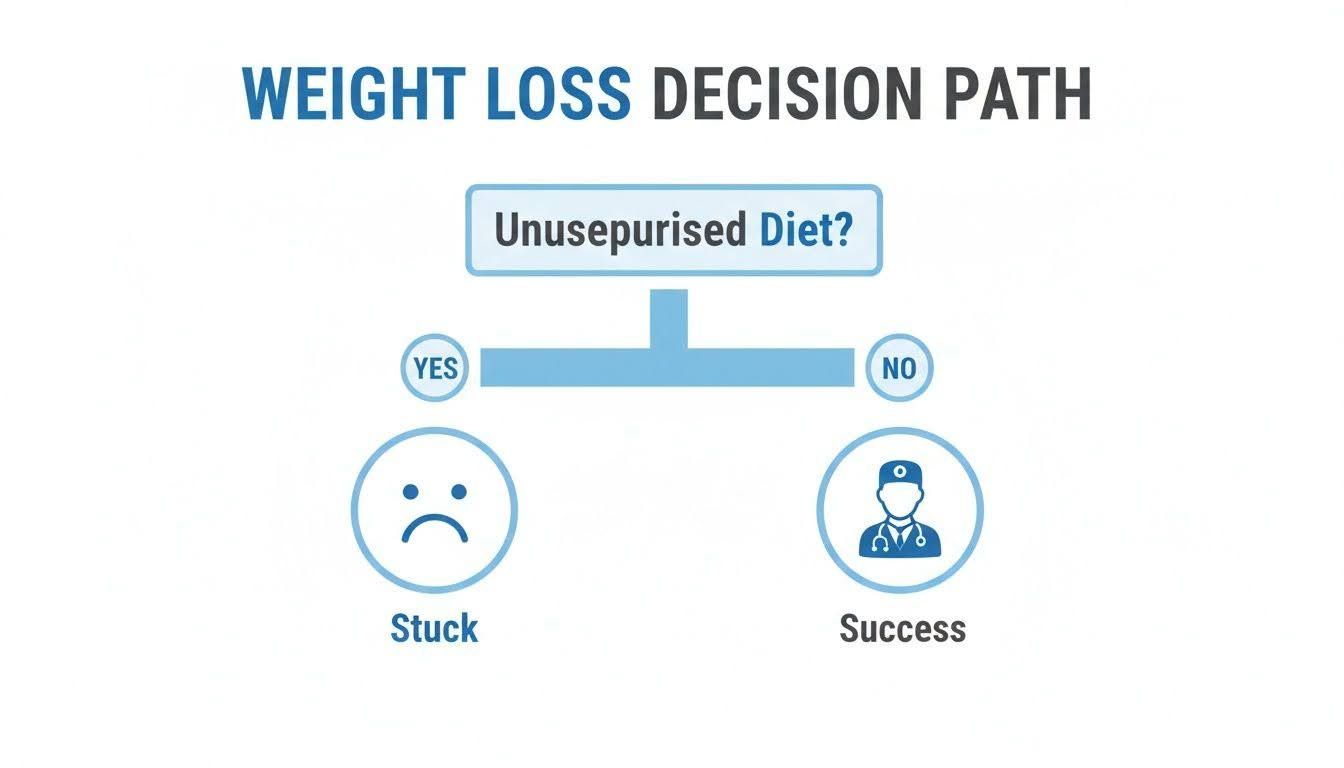
As you can see, trying to figure it all out yourself often leads right back to where you started—feeling stuck. Partnering with a medical professional opens up a real path to success that lasts.
First, Verify Provider Credentials
This is non-negotiable. Your health is on the line, so you must confirm who will be managing your care. You need a clinic led by qualified medical professionals who can legally and safely diagnose conditions and prescribe treatments.
Look for these credentials on their website or ask directly:
- MD (Medical Doctor) or DO (Doctor of Osteopathic Medicine): These are fully licensed physicians.
- NP (Nurse Practitioner) or PA (Physician Assistant): These are advanced-practice providers, often working with a physician, who are highly skilled in patient care.
Any reputable clinic will be transparent about its medical team. At Pause Medical, our board-certified providers are specialists in creating safe, effective, and evidence-based weight loss and wellness plans.
Second, Insist on Comprehensive
Diagnostics
A genuinely personalized plan cannot be created from a generic questionnaire. Your initial consultation should be a deep dive into your personal health history, not a rushed sales pitch.
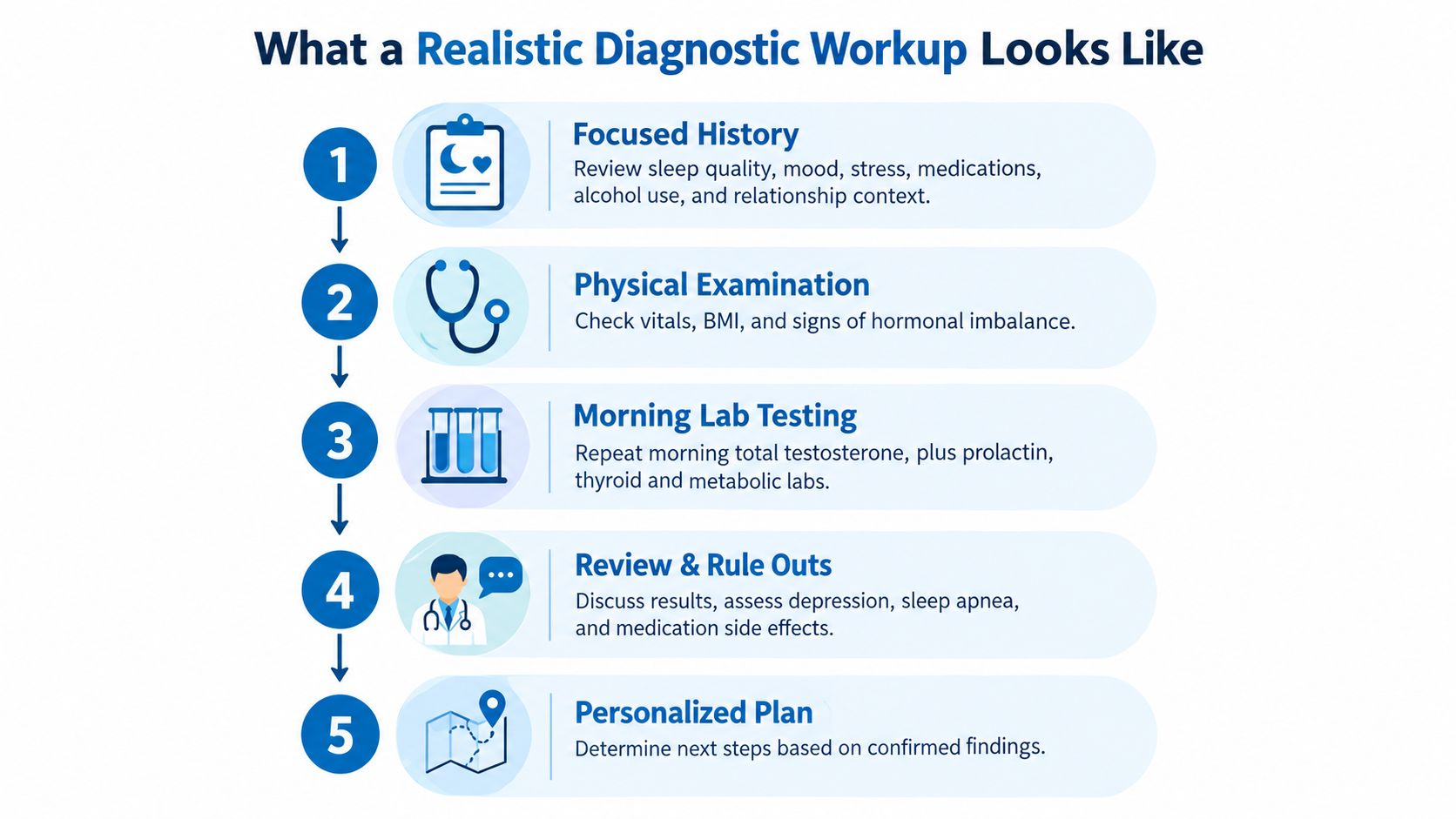
A clinic that wants to put you on medication without conducting comprehensive lab work is a major red flag. True personalization starts with understanding your unique biology, and that requires a thorough health assessment and blood work.
This initial workup is crucial. It’s how we uncover hidden issues sabotaging your efforts, like hormonal imbalances common during menopause and andropause, insulin resistance, or thyroid disorders. Without this data, any "plan" is just a guess.
Finally, Understand Their Treatment Philosophy
Ask pointed questions to understand a clinic's core approach. Are they just a prescription service, or are they focused on your overall, long-term health with an integrative medicine philosophy?
A top-tier clinic offers an integrated strategy that addresses the root cause of weight gain. For instance, if hormonal shifts contribute to your struggle, the clinic should be equipped to discuss options like hormone replacement therapy as part of a complete wellness plan. It’s about more than a number on the scale; it's about restoring your health from the inside out.
You can see if a clinic near you offers this kind of in-depth support by checking Pause Medical's Mississippi locations. The right clinic's philosophy will align with your goals for a healthier future, not just a quick fix.
Understanding Your Modern Treatment Options
The field of medical weight loss has evolved far beyond simple diet plans. When searching for a "weight loss clinic near me," you're looking for a partner who understands the deep biological reasons behind weight gain—not just someone who will hand you a meal plan and send you on your way.
A top-notch clinic doesn't just focus on the
what (losing pounds); it digs into the
why (the underlying medical causes).

This represents a huge shift from outdated models. Today's best clinics offer powerful, evidence-based tools that require the guidance of a board-certified medical provider. The goal is to build a safe, effective, and personalized plan that creates lasting health.
The Role of GLP-1 Medications
You’ve likely heard of Semaglutide (Wegovy, Ozempic) and Tirzepatide (Zepbound, Mounjaro). These medications belong to a class known as GLP-1 receptor agonists, and they represent a true breakthrough in medical weight management. These are not old-school "diet pills."
They work by mimicking natural hormones that communicate with your brain and digestive system, helping in several key ways:
- Slowing Gastric Emptying: This helps you feel full and satisfied for much longer after meals.
- Reducing Cravings: They directly target hunger centers in the brain, quieting the constant "food noise."
- Improving Blood Sugar Control: They enhance your body's ability to manage glucose, which is crucial for metabolic health.
The results from clinical trials are remarkable. Patients taking Tirzepatide saw an average body weight reduction of up to 22.5%, while Semaglutide showed an average loss of 14.9%. These are potent, game-changing medications that must be managed by a qualified medical professional to ensure proper dosage and monitor for side effects.
Addressing Hormone-Related Weight Gain
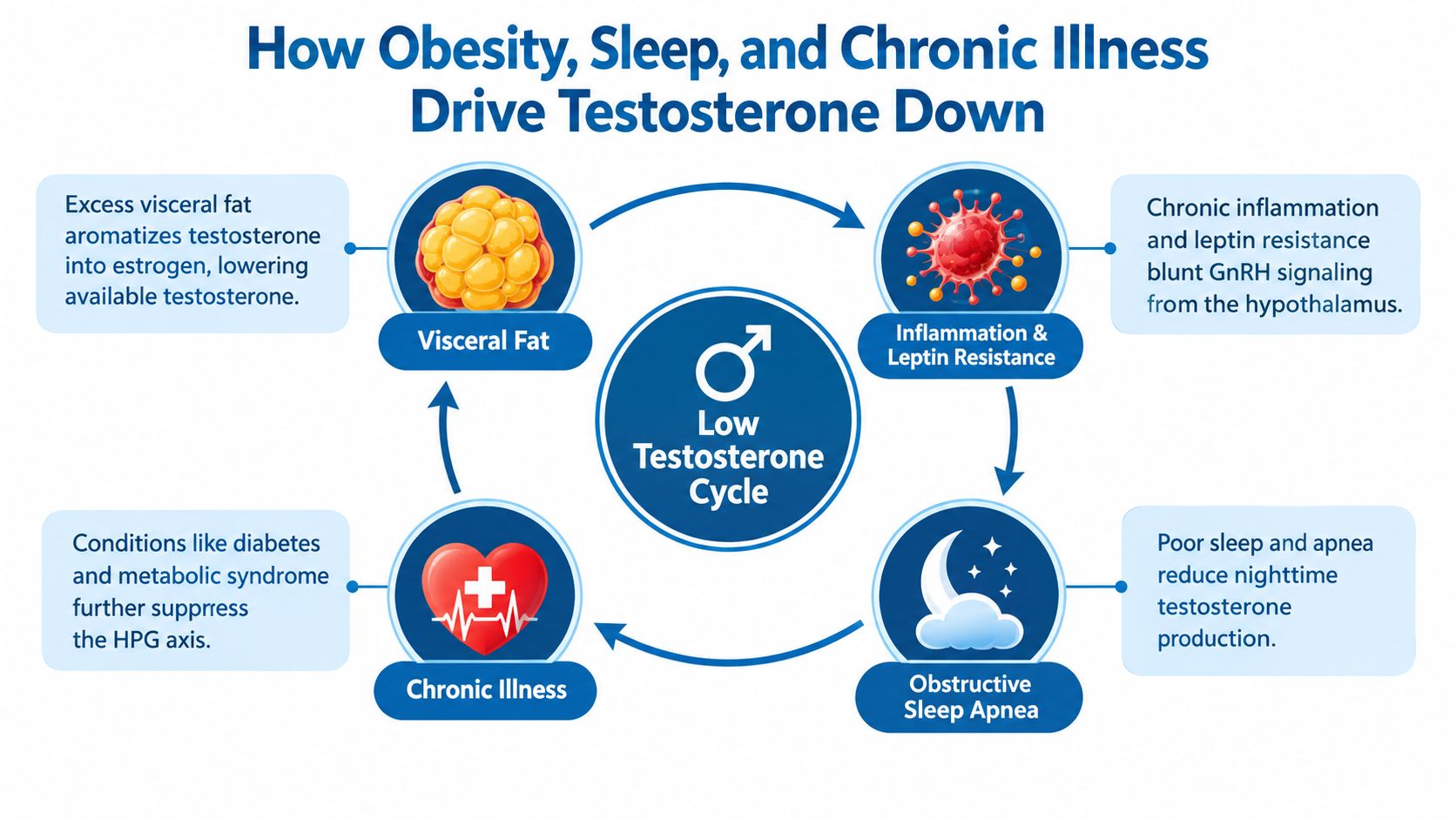
For many people, especially during life stages like perimenopause, menopause, and andropause, weight gain is driven by hormones. Shifting levels of estrogen, progesterone, and testosterone can disrupt your metabolism, leading to stubborn weight that clings to your midsection no matter how well you eat or exercise.
If you feel like you're doing everything right but the scale won't budge, hormones are often the missing piece of the puzzle. An expert clinic will investigate this link instead of just telling you to try harder.
This is where an integrative clinic like Pause Medical excels. We look at the whole picture. Our providers use diagnostic testing to pinpoint hormonal imbalances that may be hindering your progress.
If a deficiency is identified, we can create a personalized plan to address it. For many patients, this means incorporating treatments like bioidentical hormone replacement therapy (BHRT) into their weight loss strategy. You can dive deeper into howhormone therapy addresses these root causes on our site.
By restoring hormonal balance, you’re not just treating a symptom—you're correcting the underlying issue, allowing your healthy lifestyle habits to finally deliver the results you deserve.
Why Medical Supervision is Non-Negotiable
Advanced treatments like GLP-1 medications and BHRT are powerful medical tools, not simple solutions. They are not one-size-fits-all and require a prescription and ongoing care from a qualified medical provider.
A board-certified professional will:
- Conduct a thorough health assessment to ensure you are a safe candidate.
- Prescribe the correct medication and dosage for your specific needs.
- Monitor your progress, manage potential side effects, and make necessary adjustments.
- Integrate these medical tools into a comprehensive plan that includes nutrition and lifestyle coaching for sustainable success.
Choosing a medically supervised clinic is the safest and most effective way to leverage these incredible tools as part of a smart, long-term health strategy.
Navigating the Costs of Medical Weight Loss
Let's talk about the elephant in the room: the cost. When you search for a weight loss clinic, price is a major consideration. While it's helpful to reframe this as an investment in your long-term health, you need to understand the financials.
Many of the best clinics, including Pause Medical, operate on a self-pay model. This provides clear, transparent pricing without the administrative hurdles and delays common with insurance. You know the full cost upfront—no surprise bills, no waiting for approvals, just a clear path forward.
Look for Value, Not Just a Low Price
When comparing clinics, the price tag is only part of the story. A cheap program isn't a good deal if it lacks essential components or includes hidden fees. The real value lies in a comprehensive, all-inclusive program that fully supports your journey.
Before committing, get a detailed breakdown of what your payment covers. A high-value program should bundle everything you need into one transparent fee.
Here’s what to look for:
- An initial, in-depth consultation with a board-certified medical provider.
- All necessary lab work to identify root causes.
- The full cost of your medications, such as GLP-1s or HRT.
- Regular follow-up appointments to track progress and adjust your plan.
- Easy access to your medical provider for questions.
This all-inclusive approach ensures your journey is predictable, both for your health and your budget.
Smart Questions to Ask About Money
To avoid surprises, ask the right questions upfront. This will help you compare options and find a clinic that values transparency.
Your financial health is part of your overall well-being. A great clinic will be completely open about costs from day one, making you feel confident and respected.
Use this checklist during your consultation:
- Is this one flat program fee, or will I be billed for each service separately?
- Does this price include the medication itself, or just the prescription?
- Are follow-up appointments and any future lab tests covered?
- Do you offer payment plans or financing options?
- Are there extra costs for services like nutrition coaching?
Asking these questions helps you find a trustworthy, high-value partner. And don't forget to ask about referral programs. Many clinics offer discounts for bringing in friends or family. You can learn more about our referral program here to see how sharing your success can be rewarding.
Making Your First Consultation a Success
Your first appointment at a weight loss clinic is a critical first step. It’s the beginning of a partnership. Being prepared helps the medical team understand your needs and empowers you to take an active role in your health journey from day one.
This collaborative, patient-focused care is what drives real results. Medically supervised programs see success rates
2-3 times higher than solo attempts and lead to
25% better retention, proving that when patients and providers work together, success sticks. You can dig into these market trends and
see what they mean for patient care if you're curious.

What to Bring to Your Appointment
To get the most out of your visit, provide the medical team with a complete picture of your health. Think of it as bringing them all the puzzle pieces so they can help you assemble them.
Gather these key items:
- A Complete List of Medications: Include all prescriptions, over-the-counter drugs, vitamins, and supplements with dosages.
- Your Personal Health History: Note any major illnesses, surgeries, or chronic conditions like high blood pressure, thyroid issues, or PCOS.
- Family Medical History: Mention health problems that run in your family, such as heart disease, diabetes, or hormonal disorders.
- A Diet and Symptom Journal: A few days of notes on what you ate, how you felt, your energy levels, sleep quality, or other symptoms can reveal invaluable patterns.
This preparation helps your provider get to the heart of the matter quickly and thoroughly.
Key Questions to Ask Your Provider
This consultation is a two-way street. You are interviewing them as much as they are evaluating you. You need to feel confident that their approach is the right fit.
A great provider won't just tolerate your questions; they'll welcome them. They should provide clear, straightforward answers because your comfort and understanding are crucial for building a trusting relationship.
Here are a few essential questions to ask:
- What specific diagnostic tests do you recommend for me, and why? This clarifies how they plan to uncover root causes, like a hormonal imbalance.
- How do you monitor patient safety and manage potential side effects of medications? This is critical, especially for treatments like GLP-1s or hormone therapy.
- What does long-term maintenance look like in your program? The goal is not just losing weight but keeping it off for life.
- How will we measure progress beyond the number on the scale? A good clinic focuses on overall health improvements: more energy, better lab results, and how you feel.
Starting this open dialogue sets the stage for a successful partnership. If you feel ready to start that conversation, you can schedule your initial consultation with Pause Medical and take the first step.
Frequently Asked Questions About Medical Weight Loss
Embarking on a medical weight loss journey is a significant decision, and it’s natural to have questions. When you're searching for "weight loss clinics near me," you’re looking for a partner you can trust. Here are answers to some of the most common questions we hear at Pause Medical.
Q: How quickly can I expect to see results?
A: Every patient's journey is unique, but in a medically supervised program, many people notice positive changes within the first few weeks, such as reduced cravings and increased energy. In terms of weight, a safe and sustainable goal is typically a loss of 5-10% of your starting body weight within the first three to six months. Our focus is on steady, lasting progress, not the rapid, temporary results of fad diets. Your provider will help set realistic milestones tailored to your body and health goals.
Q: Are GLP-1 medications like Semaglutide safe?
A: Yes, GLP-1 medications like Semaglutide and Tirzepatide are FDA-approved and have proven to be safe and effective for many individuals when prescribed and monitored by a qualified medical professional. At Pause Medical, patient safety is our top priority. Our board-certified providers conduct a thorough review of your medical history, especially concerning pancreatic, thyroid, or gallbladder conditions, to ensure you are a suitable candidate. We provide ongoing monitoring to manage any potential side effects and ensure your treatment is both safe and successful.
Under the care of a board-certified provider, GLP-1s are a powerful tool. The key is a meticulous screening process and continuous medical oversight.
Q: What if hormones are causing my weight gain?
A: This is a critical question that highlights a major gap in traditional weight loss approaches. If you're struggling with stubborn weight, especially during menopause or andropause, hormones are very likely a contributing factor. A top-tier clinic will not just tell you to "eat less, move more." We start with comprehensive diagnostic testing to assess your hormone levels. If an imbalance is detected, a personalized treatment like bioidentical hormone replacement therapy (BHRT) can be integrated into your weight loss plan. This integrative approach addresses the physiological root of the problem, allowing your healthy lifestyle efforts to finally succeed.
Q: Do I have to sign a long-term contract?
A: No, a reputable clinic should focus on your health goals, not on locking you into a long-term contract. While achieving a healthy weight is a commitment, your treatment plan should be flexible and patient-centered. Be cautious of any clinic that pressures you into a lengthy or costly agreement before a full medical evaluation. The best programs, like ours at Pause Medical, are built on trust and partnership. Your personalized plan will adapt as you progress, empowering you without trapping you in a restrictive contract.
Are you ready to break the cycle of ineffective diets and start a journey toward lasting health? The expert team at Pause Medical is here to provide the compassionate guidance and personalized, evidence-based care you deserve. We address the root causes of weight gain—from metabolic health to hormonal balance—to create a plan designed specifically for you.
Schedule your consultation today and discover what's possible with a medically supervised program that prioritizes your long-term wellness.
Disclaimer: This article is for informational purposes only and does not constitute medical advice. The information contained herein is not intended to diagnose, treat, cure, or prevent any disease. Please consult with a qualified healthcare provider for medical advice and before making any decisions related to your health or treatment.