Can Anemia Cause Low Libido: Find Answers in 2026
Yes. Iron deficiency anemia is a documented risk factor for sexual dysfunction in women , and sexual dysfunction affects about 40% to 50% of adult women across life stages . In real life, the link is often driven by the deep physical and mental fatigue anemia can cause, which can make desire, arousal, and intimacy feel far away.
If you're asking this question, there's a good chance you don't feel like yourself. You may be dragging through the day, skipping workouts, needing more caffeine, and wondering why intimacy feels like one more thing your body doesn't have energy for. Many people assume low libido must be caused by stress, relationship issues, or hormones alone. Sometimes that's true. But sometimes a simple blood problem is part of the story.
That matters because low libido isn't “just in your head,” and anemia isn't “just being tired.” When energy production drops, your body often starts cutting back on functions that aren't necessary for immediate survival. Sexual desire can be one of them. The good news is that this is a real, medically recognized connection, and it gives you something concrete to investigate.
Feeling Drained in Body and Desire
Low libido rarely shows up by itself. More often, it arrives with other clues. You feel exhausted after normal tasks. Your concentration slips. You don't feel present in your own body. You may even start worrying that something is wrong with your relationship when the underlying issue is that your system is running on empty.
Anemia can create exactly that pattern. Your tissues and brain need oxygen to function well. When your blood isn't carrying enough oxygen efficiently, your body has less reserve for pleasure, motivation, physical stamina, and emotional engagement. That's one reason the answer to “can anemia cause low libido” is often yes.
Why this gets missed
People are used to hearing that libido is hormonal, emotional, or relational. Those factors matter. But a root-cause view is more useful. If someone tells me they have low desire plus heavy periods, postpartum depletion, weakness, or ongoing fatigue, I don't want to guess. I want to investigate.
For many patients, relief starts with connecting symptoms that seemed unrelated. A person may search for advice on how to increase low libido and expect to read only about hormones or communication. Those can help, but they don't replace a medical workup when your body is waving a red flag.
Practical rule: If low libido shows up alongside fatigue, dizziness, poor exercise tolerance, or heavy menstrual bleeding, it's reasonable to ask whether anemia or iron deficiency is contributing.
A compassionate way to think about it
Your body isn't failing you. It's adapting. If it doesn't have enough oxygen delivery, enough iron, or enough resilience, desire may fade because your system is prioritizing basic function first.
That doesn't mean low libido has only one cause. It means you deserve a careful look at the basics before anyone tells you it's “just stress.”
The Overlooked Link Between Anemia and Libido
Anemia means your body doesn't have enough healthy red blood cells, or enough hemoglobin, to carry oxygen effectively. Low libido means reduced sexual desire or less interest in intimacy than is normal for you. Put those together, and the connection starts to make sense quickly.
When people are worn down, they often blame their schedule, their age, or their mindset. Those can all play a role. But low oxygen delivery changes how the whole body functions. If climbing stairs feels harder, if your brain feels foggy, and if your muscles tire easily, sexual interest may drop because your body doesn't have the reserve.

What the research shows
This link is strongest for iron deficiency anemia in women . In a peer-reviewed study in PLOS One , all measured dimensions of sexual function and satisfaction were significantly lower in women with iron deficiency anemia than in healthy controls, with the between-group difference reported at p<0.001 . The same evidence summary also notes that sexual dysfunction affects about 40% to 50% of adult women across life stages , which helps explain why identifying contributors like low iron matters clinically. You can review that evidence in the PLOS One study on iron deficiency anemia and female sexual function.
Why this matters beyond libido
Iron deficiency anemia often develops from real-life issues clinicians see every day, such as abnormal uterine bleeding, increased iron needs, and reduced intake or absorption. In other words, this isn't a rare or exotic explanation.
A broad disease management approach is helpful because libido sits at the intersection of blood health, hormones, mood, sleep, thyroid function, and stress response. If you only look at one piece, you can miss the actual driver.
Low desire can be emotional, hormonal, relational, or physical. Sometimes it's several at once. Anemia deserves a place on that list.
How Anemia Physically Suppresses Your Libido
The reason anemia can affect sex drive isn't mysterious, but it also isn't just one single pathway. Think of it as a chain reaction across energy, mood, and body chemistry.

Oxygen shortage creates an energy crisis
If your blood can't deliver oxygen well, your body has to ration effort. That affects exercise, focus, and daily stamina. It can also affect desire. Libido isn't usually strongest when a person feels weak, winded, foggy, and depleted.
This is why some patients describe low libido less as “I don't love my partner anymore” and more as “I just don't feel available.” Their body is protecting energy.
Iron affects the brain, not just the blood
Iron isn't only about hemoglobin. It also supports brain function. When iron is low, people may notice poor concentration, reduced motivation, irritability, or low mood. Those changes can blunt the mental side of desire long before someone has words for what's happening.
A controlled study found that women with iron deficiency anemia scored significantly lower in desire, arousal, lubrication, and satisfaction than healthy controls. A 2023 review in Sexual Medicine Reviews concluded that iron deficiency can increase the risk of or worsen sexual dysfunction, while also emphasizing that fatigue, anxiety, and other factors contribute rather than one simple direct mechanism. That review is available in this peer-reviewed overview of iron deficiency and female sexual dysfunction.
If you suspect more than one issue is going on, a wellness lab panel can help sort out whether iron, thyroid function, hormones, or another factor is playing a role.
Stress hormones can pile on
When the body is under ongoing physical strain, it often shifts into survival mode. People may sleep poorly, feel more anxious, or lose the sense of ease that's part of healthy intimacy. That doesn't mean anemia directly “turns off” hormones in one neat step. It means strain in one system can spill into others.
This short video gives a practical overview of how fatigue and low iron can affect how you feel day to day.
What patients often notice first
The pattern is often more obvious in hindsight than in the moment:
- Physical fatigue: You want rest more than touch.
- Mental overload: Brain fog and poor focus make arousal harder.
- Lower resilience: Anxiety, frustration, or low mood reduce interest in intimacy.
- Reduced capacity: Sex can feel physically demanding rather than restorative.
Clinical clue: When desire drops at the same time energy, stamina, and concentration decline, it's worth checking whether the problem starts in the bloodstream, not only in the bedroom.
Getting the Right Diagnosis Is It Anemia or Something Else
Low libido has many possible causes. Anemia is one. Hormonal shifts are another. Thyroid problems, medication effects, chronic illness, depression, postpartum changes, and relationship stress can all influence sexual desire. That's why guessing rarely works.
A good evaluation starts with the timeline. When did the fatigue begin? Are periods heavy? Have you recently had a baby? Are you also dealing with hot flashes, vaginal dryness, erectile changes, weight shifts, or sleep disruption? Those details help a clinician decide whether anemia, hormone imbalance, or something else deserves priority.
Conditions that can look similar
Some causes overlap so much that lab testing becomes the clearest path forward.
- Perimenopause or menopause: Desire may fall because of hormonal fluctuations, sleep disruption, mood changes, or vaginal symptoms.
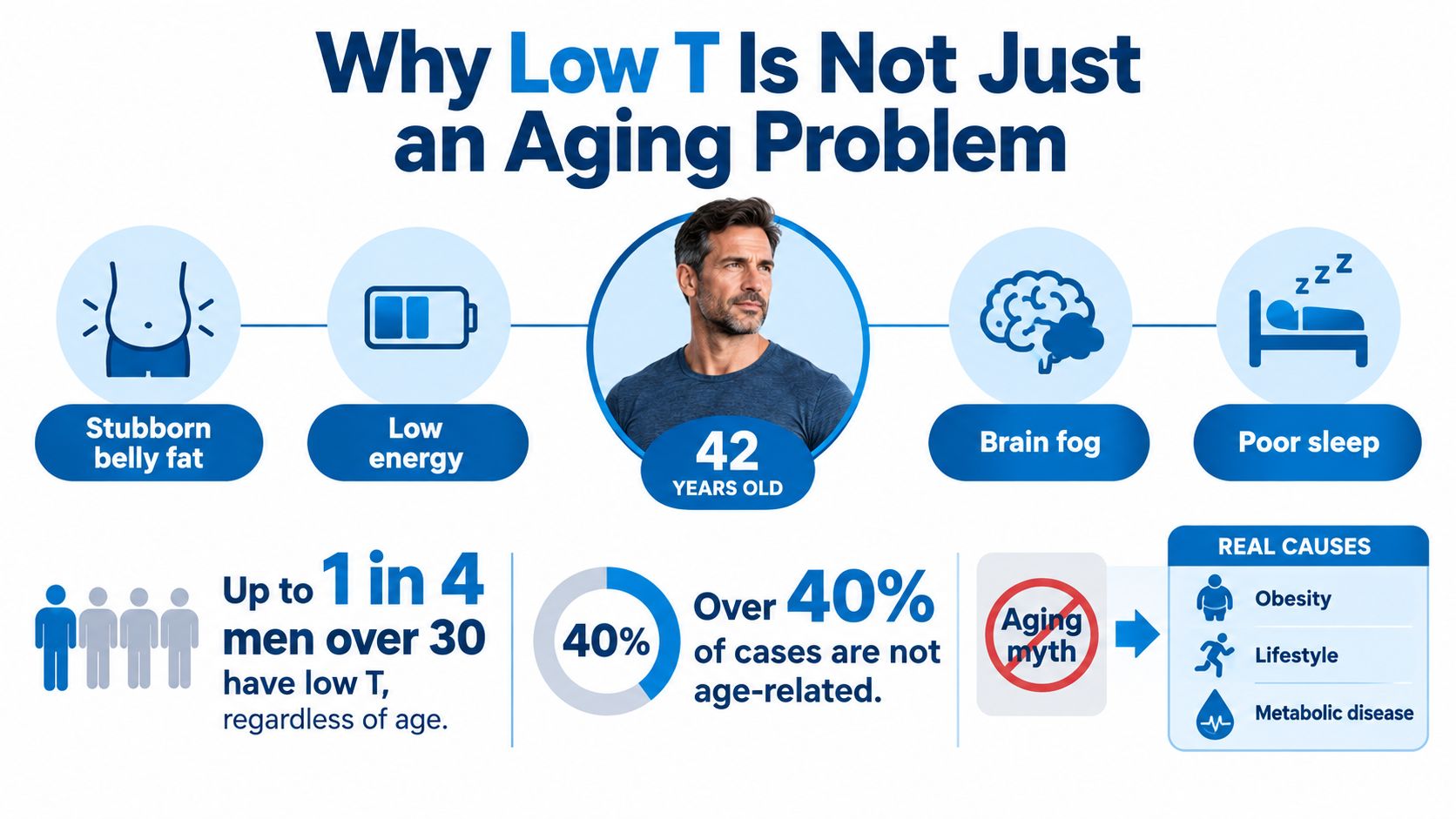
- Low testosterone in men: Reduced libido, lower drive, and less vitality can overlap with fatigue from anemia. If this is a concern, this guide to symptoms of low testosterone in men can help frame the discussion.
- Thyroid dysfunction: It can mimic exhaustion, brain fog, and changes in mood or interest.
- Psychological stress: Chronic stress can suppress desire even when labs are normal.
Key lab tests for investigating fatigue and low libido
| Lab Panel | What It Measures | Why It's Important |
|---|---|---|
| Complete Blood Count (CBC) | Red blood cells, hemoglobin, hematocrit, and other blood components | Helps identify anemia and shows whether low oxygen-carrying capacity could be contributing to fatigue and low libido |
| Iron Panel with Ferritin | Iron status and stored iron | Helps detect iron deficiency, including cases where low iron is contributing before the full picture is obvious clinically |
| Thyroid Panel | Thyroid function markers | Helps rule in or rule out thyroid-related fatigue, mood changes, and sexual symptoms |
| Sex Hormone Testing | Hormones such as testosterone and estrogen, based on the patient | Clarifies whether a hormonal imbalance is adding to low desire |
| Metabolic and General Health Labs | Broad markers of overall health | Helps identify other medical contributors that can reduce energy and sexual interest |
What to ask your provider
You don't need to diagnose yourself. But you can ask clear questions.
“I've had persistent fatigue and low libido. Could we check a CBC, iron studies, and the hormone or thyroid tests that fit my symptoms?”
That kind of question often gets the conversation moving in a productive direction. If your symptoms are ongoing, booking a medical evaluation is a smart next step.
Your Holistic Treatment Plan for Restoring Energy and Desire
Once the cause is clearer, treatment should follow the root problem rather than chasing symptoms in isolation. If anemia is part of the picture, restoring libido usually starts with restoring capacity.
Step one is correcting the deficiency
If iron deficiency anemia is present, the first job is to correct it and identify why it happened. That may involve food changes, oral iron, or a different treatment plan depending on the severity and the underlying cause. Menstrual blood loss, postpartum depletion, poor intake, or absorption problems all need different follow-up.
An Oxford Academic review states that oral iron supplementation has been shown to improve sexual function in women with iron deficiency anemia , which matters because it shows the connection isn't just theoretical. You can read that evidence in this review on iron deficiency and sexual dysfunction in women.

Hormones may still need attention
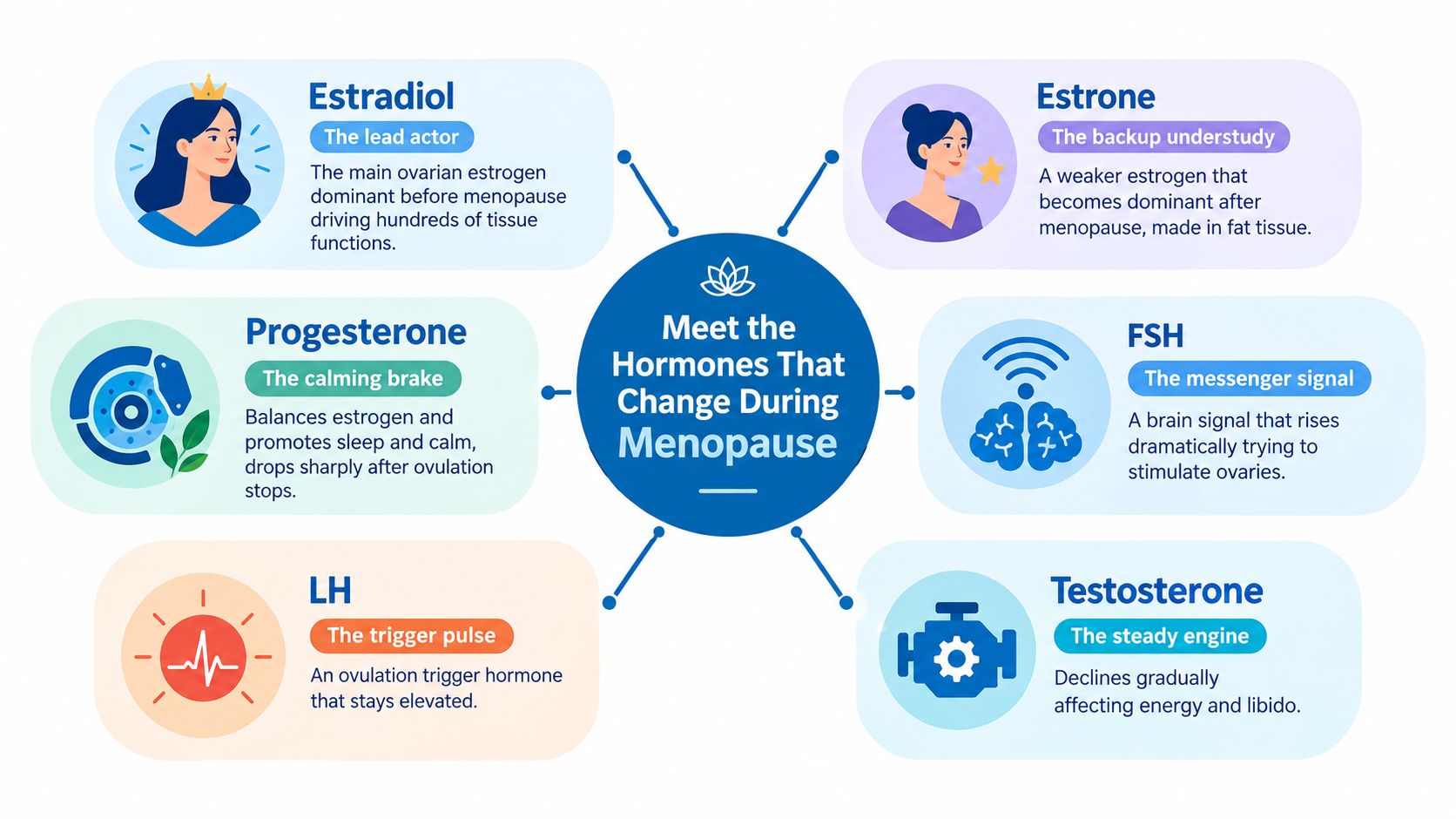
Sometimes iron deficiency is the trigger. Sometimes it's only part of the story. A person may correct anemia and still struggle with low desire because thyroid function, estrogen balance, testosterone levels, or menopause-related changes are also involved.
That's why I encourage patients to think in layers:
- Restore oxygen-carrying capacity
- Reassess symptoms after treatment
- Address hormone imbalances if symptoms remain
- Support sleep, stress response, and nutrition
Natural support can help alongside medical care. This article on how to balance hormones naturally is a useful starting point for lifestyle habits that complement treatment.
Daily habits still matter
A treatment plan works better when your body gets the conditions it needs to recover. Sleep is a major example. If you're constantly exhausted, low desire can persist even after labs improve. This is why understanding sleep deprivation can be so helpful. It connects the dots between poor sleep, low resilience, and reduced physical and mental capacity.
A strong plan often includes:
- Iron repletion: Based on your clinician's evaluation and the reason you're deficient
- Root-cause treatment: Such as managing heavy bleeding or addressing absorption issues
- Hormone review: Especially if menopause, perimenopause, or testosterone changes are also present
- Lifestyle support: Sleep, nutrition, movement, and stress reduction
Recovery is often gradual. Patients may notice energy improving first, then mood, then sexual interest.
When to See a Provider in Mississippi
If fatigue and low libido have become your normal, it's time to stop brushing them aside. You don't have to wait until symptoms are severe. A persistent drop in energy or desire is enough reason to get checked.
This is especially true if you live in Mississippi and you're also dealing with heavy periods, postpartum depletion, menopause symptoms, erectile concerns, or unexplained weakness. In-person care matters because a clinician can connect your symptom pattern with the right exam and lab work instead of offering a one-size-fits-all answer.
Signs that deserve an appointment
- You feel drained most days: Not just sleepy, but physically depleted
- Your libido has clearly changed: Especially if the change is ongoing
- You have menstrual or postpartum clues: Heavy bleeding or recovery after childbirth can point toward iron loss
- You suspect hormones too: Men and women can both have overlapping hormone-related symptoms
Men with low energy, low drive, and sexual symptoms may also benefit from a review of men's health specialists in Mississippi when testosterone or other hormone issues may be part of the picture.
A thoughtful workup can help you stop guessing. It can also give you something many people haven't had in a while: a clear explanation for why you feel the way you do.
If you're in Mississippi and you're dealing with low libido, fatigue, hormone symptoms, or unexplained changes in how you feel, Pause Medical offers in-person, board-certified evaluation and personalized treatment planning. Schedule a consultation to review your symptoms, discuss appropriate lab testing, and build a plan that addresses root causes, not just surface symptoms. This article is for educational purposes only and isn't a substitute for personal medical advice, diagnosis, or treatment.