Weight Loss Meridian MS: Personalized Programs
For those seeking weight loss in Meridian, MS, there's a good chance you're tired of starting over. You've tried cutting carbs, skipping meals, joining a challenge, buying supplements, or pushing harder at the gym. Maybe the scale moved for a while, then stalled. Maybe you felt hungry, discouraged, or blamed yourself when the weight came back.
That pattern is common, and it doesn't automatically mean you lacked discipline. In many adults, stubborn weight gain is tied to appetite regulation, insulin resistance, sleep disruption, medication effects, menopause, andropause, low testosterone, thyroid issues, or other metabolic barriers. A generic diet plan usually doesn't sort through any of that. A medical approach does.
The Weight Loss Struggle in Meridian Is Real and It's Medical
You clean up your meals, start walking after work, and pass on the foods you used to reach for. A few weeks later, the scale barely moves, your energy drops, and it starts to feel like your body is fighting you.
I see this often in clinical practice, especially in patients who have spent years blaming themselves for a problem that deserves medical evaluation. Obesity is a chronic disease tied to cardiometabolic risk, not a character flaw. In Meridian, that distinction matters. People are often told to rely on willpower alone when true drivers may include insulin resistance, sleep disruption, medication effects, menopause, andropause, thyroid problems, or low testosterone.
Why blame doesn't help
Blame leads to oversimplified advice. Patients hear, "eat less," "push harder," or "be more disciplined," even when hunger, fatigue, and slow recovery are sending a different message. In my experience, that approach often leads to short-term restriction followed by rebound weight gain, frustration, and loss of muscle along the way.
Preserving muscle matters during weight loss because muscle supports metabolism, strength, and long-term function. If medication is part of treatment, these tips to preserve muscle on GLP-1 are a useful complement to physician-guided care.
Weight gain often has drivers you cannot see from the outside. Appetite signaling, blood sugar regulation, stress, sleep quality, and hormone changes can all interfere with progress.
The better question is more specific. What is making your weight harder to treat right now?
A better path for Meridian patients
A medical approach starts by identifying what is contributing to weight gain in your case. At Pause Medical, that means looking at symptoms, medical history, medications, lab findings, daily routine, and the hormonal patterns that generic diet plans tend to miss. That is especially relevant for patients whose weight changes show up alongside fatigue, poor sleep, reduced stamina, low libido, or mood changes.
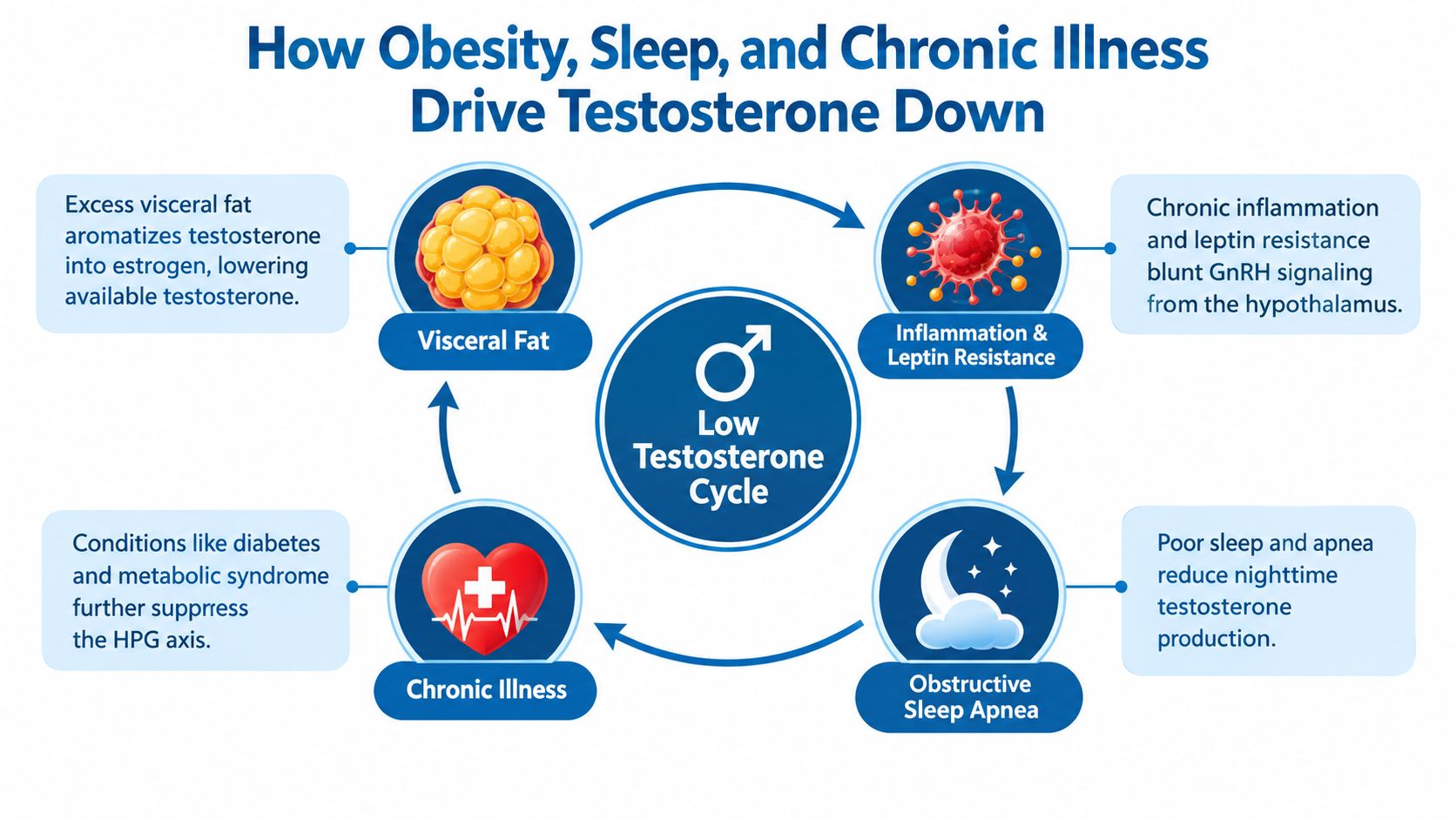
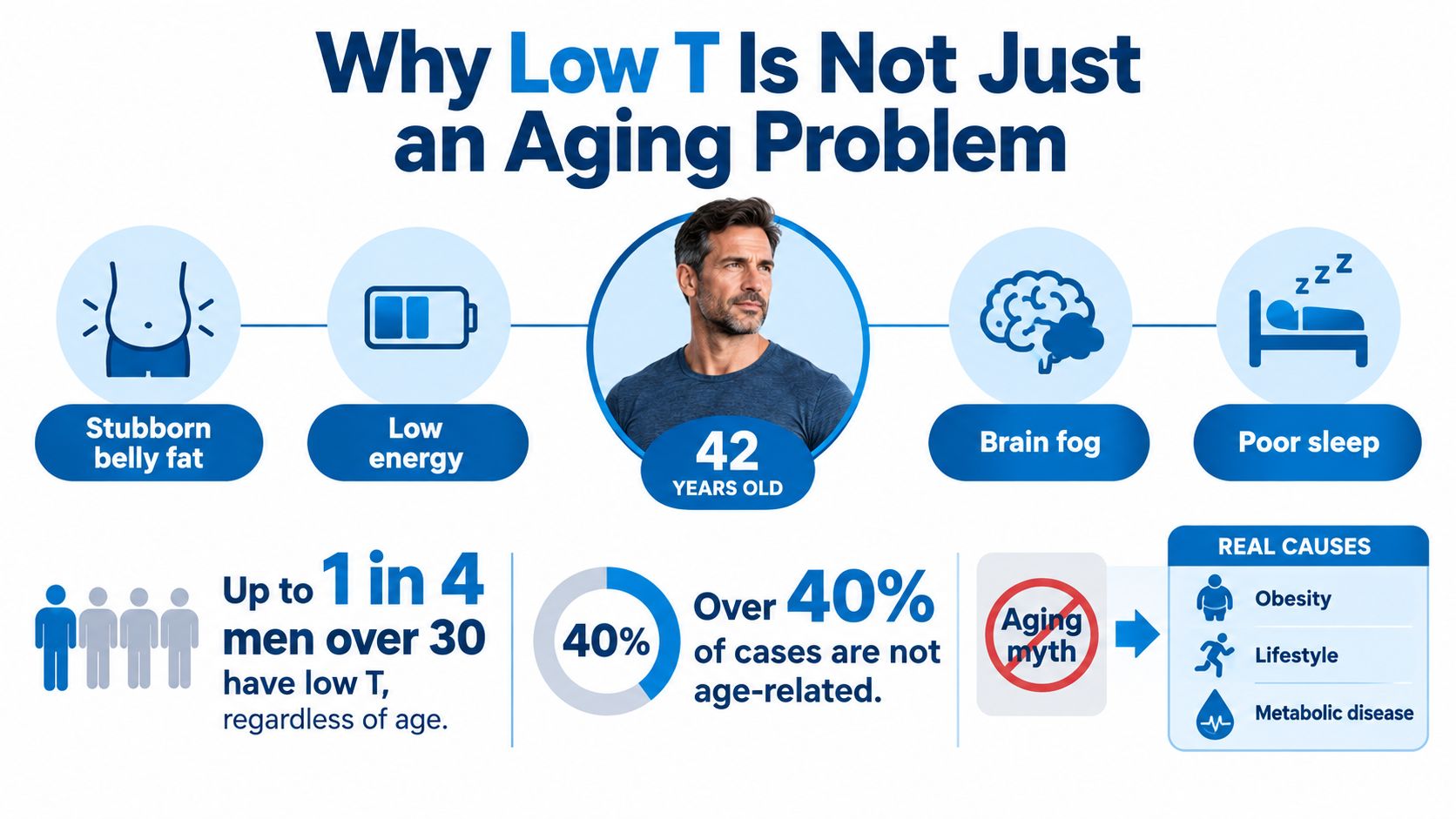
Hormonal health is not the only piece of weight loss, but it is often an overlooked one. For men dealing with both body composition changes and symptoms of hormone imbalance, our guide to low testosterone and weight gain explains that connection in more detail.
People in Meridian deserve more than recycled internet advice. They deserve a plan grounded in medicine, adjusted over time, and built for real life.
Why Medical Weight Loss Is a Different Approach
Commercial diets sell simplicity. They promise that one framework works for everyone if you just follow it closely enough. That idea is appealing, but it ignores how weight is regulated. Two patients can eat similarly and respond very differently because hunger signaling, metabolic disease, hormone status, sleep quality, and medication burden aren't the same.
A medical program starts with a different assumption. It assumes your weight problem has causes worth investigating.

What a physician-guided program looks at
In markets like Meridian, the modern clinical model begins with a detailed initial consultation , then moves into personalized diet plans, behavior therapy, and ongoing medical support , reflecting a shift toward physician-supervised care, as described in this Meridian weight-management overview.
That model changes the conversation from "What diet should I try?" to questions like:
- What is driving hunger? Is it meal timing, poor sleep, medication effects, stress eating, or a hormone issue?
- What is slowing progress? Has your body adapted to repeated dieting, or are you dealing with insulin resistance or reduced activity because of pain and fatigue?
- What can you maintain? A plan only works if it fits your work schedule, family life, budget, and preferences.
What usually doesn't work long term
Short-term restriction can produce short-term results, but it often creates rebound patterns. Patients white-knuckle their way through low-calorie plans, lose muscle along with fat, then feel worse when their appetite surges back.
That's why body composition matters. If you're using GLP-1 medication or considering it, preserving muscle should stay part of the strategy. This practical guide on tips to preserve muscle on GLP-1 is a useful companion to medical care because it focuses on protein, resistance work, and protecting lean mass during treatment.
Practical rule: The best weight loss plan isn't the most aggressive one. It's the one your body can respond to and you can continue safely.
If you're comparing options locally, a structured look at medical weight loss clinics can help you see how physician-supervised care differs from retail diet programs and one-size-fits-all coaching.
Personalized Weight Loss Treatments Available to You
Medical weight loss works best when treatment matches the reason weight has been hard to lose. In Meridian, that often means looking beyond calories alone and asking whether appetite, insulin resistance, menopause, low testosterone, poor sleep, chronic stress, medications, or repeated dieting have changed how the body is responding.

Lifestyle treatment remains the foundation
Lifestyle treatment is still part of good obesity care, but it needs to be realistic enough to survive a busy week, family demands, pain, fatigue, and fluctuating motivation. A plan that looks perfect on paper and falls apart by Thursday is not a good plan.
The basics are familiar. Regular meals, enough protein and fiber, planned movement, better sleep habits, and behavior support. The difference in medical care is how those basics get adjusted to your actual barriers.
Useful starting points often include:
- Meal structure: consistent eating patterns that reduce rebound hunger later in the day
- Protein and fiber intake: meals that support fullness and help protect lean mass during weight loss
- Home and work environment: fewer trigger foods and less reliance on last-minute convenience eating
- Repeatable activity: walking, strength training, chair exercise, or other options that fit your joints, schedule, and energy level
For patients who need better snack options between meals, Rip Van's weight management insights offer practical ideas that can fit a structured nutrition plan.
Prescription medication can be appropriate
Medication is not the right choice for every patient, but it can help when hunger is high, metabolic risk is rising, or lifestyle changes alone have not led to enough progress. The goal is not a shortcut. The goal is to reduce the biological pressure that makes weight regain so common.
Weight-loss injections get the most attention, and they also create a lot of confusion. FDA-approved medications are not the same as compounded products. Ongoing supervision matters because dose changes, side effects, bowel symptoms, nausea, and muscle loss risk all need monitoring during treatment.
A practical way to compare options is to ask a few direct questions:
| Treatment question | What matters medically |
|---|---|
| Is the medication appropriate for your history? | Prior pancreatitis, gallbladder issues, gastrointestinal symptoms, and other conditions can affect the decision |
| Is the product FDA-approved? | Approved medications are evaluated differently than compounded alternatives |
| Who is following your response? | Dose changes and side effects need clinician oversight |
| What is the maintenance plan? | Weight management does not end at the first goal weight |
If medication is part of your discussion, retatrutide treatment options in Meridian, MS can help you understand how newer therapies are being evaluated in a medical setting.
Hormonal health can change the picture
Many generic diet plans often prove ineffective for Meridian patients. They treat every stalled scale the same, even when hormones are clearly affecting weight, appetite, body composition, sleep, and energy.
In women, perimenopause and menopause can increase abdominal fat, disrupt sleep, and make prior eating habits less effective. In men, low testosterone can contribute to lower muscle mass, reduced drive to exercise, and slower recovery. Thyroid disease, insulin resistance, and some common medications can complicate the picture further.
As a board-certified provider, I tell patients the same thing every day. Hormone treatment is not a stand-alone weight-loss fix. It can, however, make a well-built plan work better when symptoms, exam findings, and testing show a real medical issue.
The strongest results usually come from combining nutrition structure, activity, behavior support, and medication when appropriate, while also treating the hormonal or metabolic problems that have been pushing weight in the wrong direction. That is a more honest approach than handing someone another generic diet and asking for more willpower.
The Pause Medical Process What to Expect on Your Journey
Starting medical weight loss feels easier when you know what will happen. Patients don't want hype. They want a clear first step, a private conversation, and a plan that makes sense.
One local model for medical weight management starts with a consultation and medical history review, then continues with monitoring that combines diet, exercise, behavior change, and prescription support, according to this Meridian clinic workflow description. That general process is familiar because it's how responsible obesity care is usually built.
A broad overview of the care pathway is helpful before the details.

Step one is a real medical conversation
At Pause Medical's weight loss program, the starting point is scheduling a consultation and meeting in person with a provider. That visit is where goals, symptoms, weight history, medications, eating patterns, and barriers get discussed in plain language. If hormones, thyroid concerns, menopause, andropause, or fatigue are part of the picture, those details belong in the room from the start.
This first visit shouldn't feel like being judged. It should feel like gathering useful information.
Your plan should fit your life
After the evaluation, treatment decisions come into focus. Some patients need a tighter food structure and accountability. Some need prescription help with appetite. Some need to address low energy, poor sleep, or hormone-related symptoms before progress becomes realistic.
A simple calorie target isn't always enough, but some patients like using tools between visits. If that helps you stay organized, Strive Workout Log's macro calculator can be a practical way to think about intake structure alongside medical guidance.
Consistency beats intensity. A plan that fits your workweek, your stress level, and your family routine will usually outperform the "perfect" plan you can't sustain.
This short video offers another look at the patient journey and what ongoing support can feel like in practice.
Follow-up is where progress gets protected
Ongoing care matters because weight loss rarely moves in a straight line. Appetite changes, side effects happen, travel disrupts routines, and old habits resurface under stress. Follow-up visits give you a place to adjust medications, review adherence, troubleshoot plateaus, and decide what maintenance should look like once the initial phase is over.
That's one of the biggest differences between medical care and self-directed dieting. You're not left alone to guess what the next move should be.
Who Is a Good Candidate for Medical Weight Loss
Medical weight loss isn't for vanity alone. It makes the most sense when excess weight is affecting health, daily function, or both. That includes people who have tried to lose weight repeatedly without durable success, especially when hunger, fatigue, menopause, low testosterone, insulin-related concerns, or chronic disease are part of the pattern.
Mississippi's regulatory framework uses a BMI threshold of 40 or higher , with lower BMI considered when obesity is a secondary disability, according to the Mississippi weight-management regulation. That standard reflects a medical-risk approach rather than a cosmetic one.
Signs a medical evaluation makes sense
You may be a strong candidate if any of these apply:
- Repeated regain: You've lost weight before, but it returns quickly after each attempt.
- Appetite feels hard to control: Hunger, cravings, or binge-restrict cycles keep derailing progress.
- Symptoms suggest a bigger issue: Fatigue, sleep problems, mood changes, low libido, or major body-composition shifts may point to hormonal or metabolic contributors.
- Health risks are part of the picture: Weight is affecting blood sugar, blood pressure, mobility, or quality of life.
Safety depends on supervision
The right program doesn't hand you medication and send you home. It screens for risk, reviews your medical history, checks labs when needed, and tracks how you're responding over time. That's especially important if prescriptions are involved or if hormone symptoms are complicating the picture.
Lab work often helps clarify what needs attention before treatment becomes guesswork. A structured wellness lab panel can support that evaluation by giving a clearer view of metabolic and hormone-related factors.
Good candidacy isn't about wanting weight loss badly enough. It's about matching the treatment to the medical problem safely.
Take the First Step Toward a Healthier Future in Meridian
If you've been trapped in the cycle of trying harder and getting nowhere, a different strategy may be the answer. Sustainable weight loss usually doesn't come from another strict meal plan or another burst of motivation. It comes from identifying what is driving the weight gain, using evidence-based tools, and staying with a plan long enough to make it stick.
That includes honest trade-offs. Lifestyle change matters. Medication can help the right patient. Hormonal health can affect progress. None of those pieces should be treated as a gimmick, and none of them need to be handled alone.

For adults looking for weight loss in Meridian, MS, the hopeful message is simple. Your situation may be complex, but it is not hopeless. The next step can be straightforward: schedule a medical consultation, review actual barriers, and build a plan that fits your body and your life.
Medical care is individualized. Treatment decisions, including nutrition, exercise, hormone evaluation, and prescription options, should always be made with a licensed clinician who knows your history.
Frequently Asked Questions About Medical Weight Loss
Do I need a referral to start?
In many direct-pay wellness settings, patients can schedule a consultation themselves. If you already have a primary care doctor, it's still helpful to share your treatment plan with them, especially if you have chronic conditions or take multiple medications.
Will I be put on medication right away?
Not always. Some patients need medication, and some don't. A responsible provider looks at symptoms, health history, prior attempts, and risk factors before deciding whether prescription treatment makes sense.
How long does treatment last?
Medical weight loss is usually not a one-visit fix. It typically involves an active treatment phase and then a maintenance strategy. The timeline depends on how your body responds, what tools are used, and what happens after the initial weight-loss period.
Is hormone testing always part of the process?
No. Hormone testing should be based on symptoms and clinical judgment, not used automatically for everyone. It becomes more relevant when weight gain shows up alongside issues like fatigue, low libido, sleep disruption, menopause symptoms, or signs of low testosterone.
What if I've failed diets many times before?
That history is often the reason to seek medical care, not a reason to avoid it. Repeated failure with commercial plans can point to a mismatch between the method and the biology behind your weight gain.
Does no-insurance care mean I still get real medical oversight?
Yes. Insurance status and medical quality aren't the same thing. What matters is whether a qualified provider is evaluating you, reviewing appropriate history and labs, and monitoring your treatment over time.
If you're ready to move past trial-and-error dieting, schedule a consultation with Pause Medical. A medically supervised plan can help you sort through hormone concerns, appetite issues, metabolic barriers, and treatment options with clear guidance and ongoing support.