Weight Loss Clinic Sugar Land TX: Your 2026 Guide
You may be at that point where the closet holds three different sizes, the pantry has “healthy” foods you bought with good intentions, and the scale still seems to ignore all your effort. Many adults in Sugar Land know this feeling well. You try to eat less, swear off carbs, start over on Monday, lose some weight, then watch it come back.
That cycle can make anyone feel defeated. It can also make a very real medical problem feel like a personal failure.
It isn't.
A good weight loss clinic in Sugar Land, TX isn't supposed to hand you another fad plan. It should help you understand why your body is resisting change, what treatments are appropriate, and how to build a plan you can realistically live with.
The End of Dieting Frustration in Sugar Land
Maria is the kind of patient I hear from often. She works hard, keeps up with family responsibilities, tries to make better food choices, and has restarted more diets than she can count. She can lose weight for a short stretch when she becomes very strict. Then hunger ramps up, energy dips, and life gets busy. The old pattern returns.
That experience is exhausting. It also teaches people the wrong lesson. They start thinking, “I must not have enough discipline.”
In many cases, the problem isn't a lack of effort. It's that obesity and weight gain are influenced by appetite signals, blood sugar regulation, medications, sleep, stress, hormone changes, and metabolic health. A person can be trying very hard and still feel like their body is working against them.

Why self-directed dieting often stalls
Commercial diet advice usually assumes one thing. If you follow the rules closely enough, the weight will come off and stay off.
Real life is messier than that.
- Appetite can change: Some people feel hungry soon after eating, even when they're trying to follow a plan.
- Hormones can matter: Menopause, low testosterone, and thyroid issues can change body composition, energy, and recovery.
- Structure is hard to maintain alone: Meal planning, workouts, stress, social events, and sleep don't always line up neatly.
That's why many patients do better when they move away from dieting and toward medical care. Supportive tools can still have a place. For example, some people use beverages to replace higher-calorie habits, and Pep Tea's weight management teas are one example of a lifestyle resource people may explore alongside a medically supervised plan. But tea isn't treatment. It doesn't replace an evaluation.
Practical rule: If you've been repeating the same diet cycle for years, the next step probably isn't “try harder.” It's “get assessed more thoroughly.”
A medical program changes the question. Instead of asking, “What diet should I force myself to follow now?” it asks, “What is driving this weight gain, and what treatment fits your health history?” That's the difference between another restart and a more durable path forward through medical weight loss care.
What a Medical Weight Loss Clinic Actually Does
A true medical clinic doesn't start with a food list. It starts with a health evaluation.
That distinction matters because obesity is common, clinically significant, and often tied to other conditions. The CDC reported that from 2017–2020, the prevalence of obesity among U.S. adults was 41.9% , and eligibility for many medical programs in areas like Sugar Land begins at a BMI of 30 or higher , reflecting the need for structured treatment for this widespread condition, as described by medical weight-loss services in Sugar Land.
Medical clinics versus commercial programs
A commercial program often focuses on one main lever, usually calories, meal replacements, or coaching. A medical clinic looks at the whole clinical picture.
That usually includes:
- Medical history review: Weight trends, past diet attempts, medications, sleep, stress, and family history.
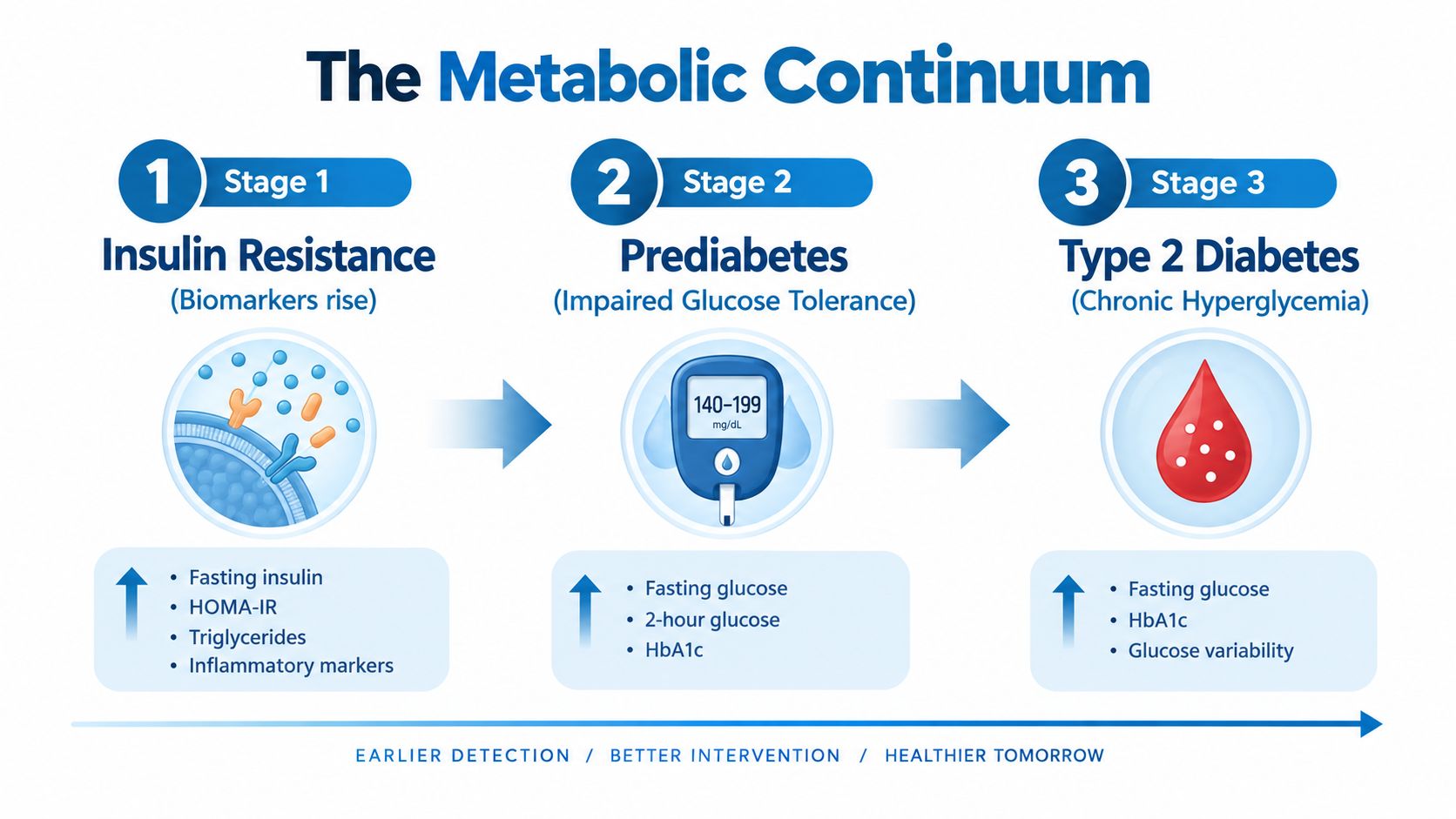
- Screening for related conditions: Diabetes, blood pressure problems, and cholesterol concerns are often part of the conversation.
- Personalized treatment planning: The plan may include nutrition guidance, lifestyle coaching, and medication when appropriate.
A good clinic also knows that two patients with the same weight may need very different strategies. One may struggle most with appetite. Another may be dealing with menopause-related body composition changes. Another may need medication review and metabolic monitoring before any prescription is considered.
What patients often misunderstand
Some people hear “medical weight loss” and assume it means a quick prescription visit. That's too narrow.
The medical part means a licensed provider evaluates whether treatment is safe, whether weight gain may be related to another issue, and how progress should be monitored over time. This is especially important when the patient also has chronic disease, hormonal symptoms, or a history of weight cycling.
A weight-loss clinic should treat excess weight as a health condition, not as a willpower test.
That is why the right setting often feels calmer and more evidence-based than a retail program. You should leave with a clearer understanding of your body, not just stricter rules. If you're comparing options, look for clinics that describe physician-led or provider-supervised care rather than generic coaching alone, especially if you're exploring weight-loss medical clinics.
Modern Medical Weight Loss Treatments Explained
The biggest change in this field is that treatment has become more biologically targeted. Instead of relying only on restriction, many clinics now use medications and structured care to change hunger cues, improve satiety, and support metabolic health.

GLP-1 and dual-agonist medications
You may have heard names like semaglutide and tirzepatide . These medications are part of the reason many patients are taking medical weight loss more seriously.
A Sugar Land clinic notes that tirzepatide has been associated with 20–25% total body-weight loss in clinical trials, while semaglutide has been associated with about 16% total body-weight loss in published clinical trial data referenced by local providers. The same clinic says patients often notice reduced hunger within 1–2 weeks , scale movement by weeks 3–4 , and an early pace of about 1–2 pounds per week during months 2–3 , according to this Sugar Land weight-loss overview.
Those numbers are helpful because they set expectations. These medications aren't magic, and they aren't overnight fixes. But they can reduce the constant mental noise around food for some patients, which is exactly what many people have never been able to achieve with dieting alone.
Here's a simple explainer if you want a visual overview before your appointment:
Medication is only one part of the plan
Even when medication is appropriate, it works best inside a structured plan. Patients still need practical systems for meals, protein intake, hydration, activity, and follow-up.
Some people also use convenience tools to avoid skipping meals or grabbing whatever is nearby. If that's a challenge for you, this guide to effective use of replacement bars may help you think through when a prepared option can support, rather than derail, a plan.
The hormone connection many clinics overlook
This is the part many readers find clarifying. Weight gain isn't always just about calories or hunger.
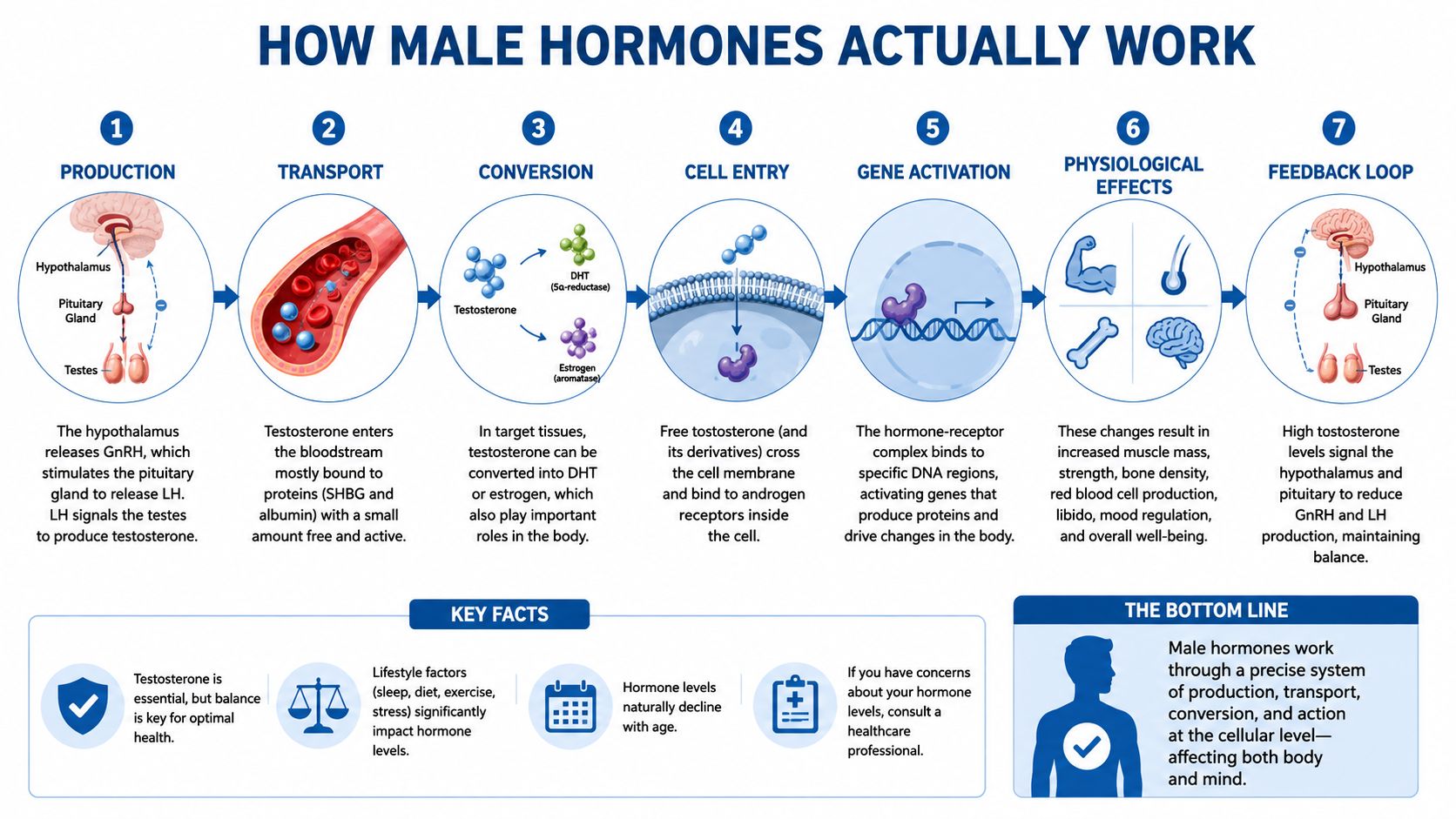
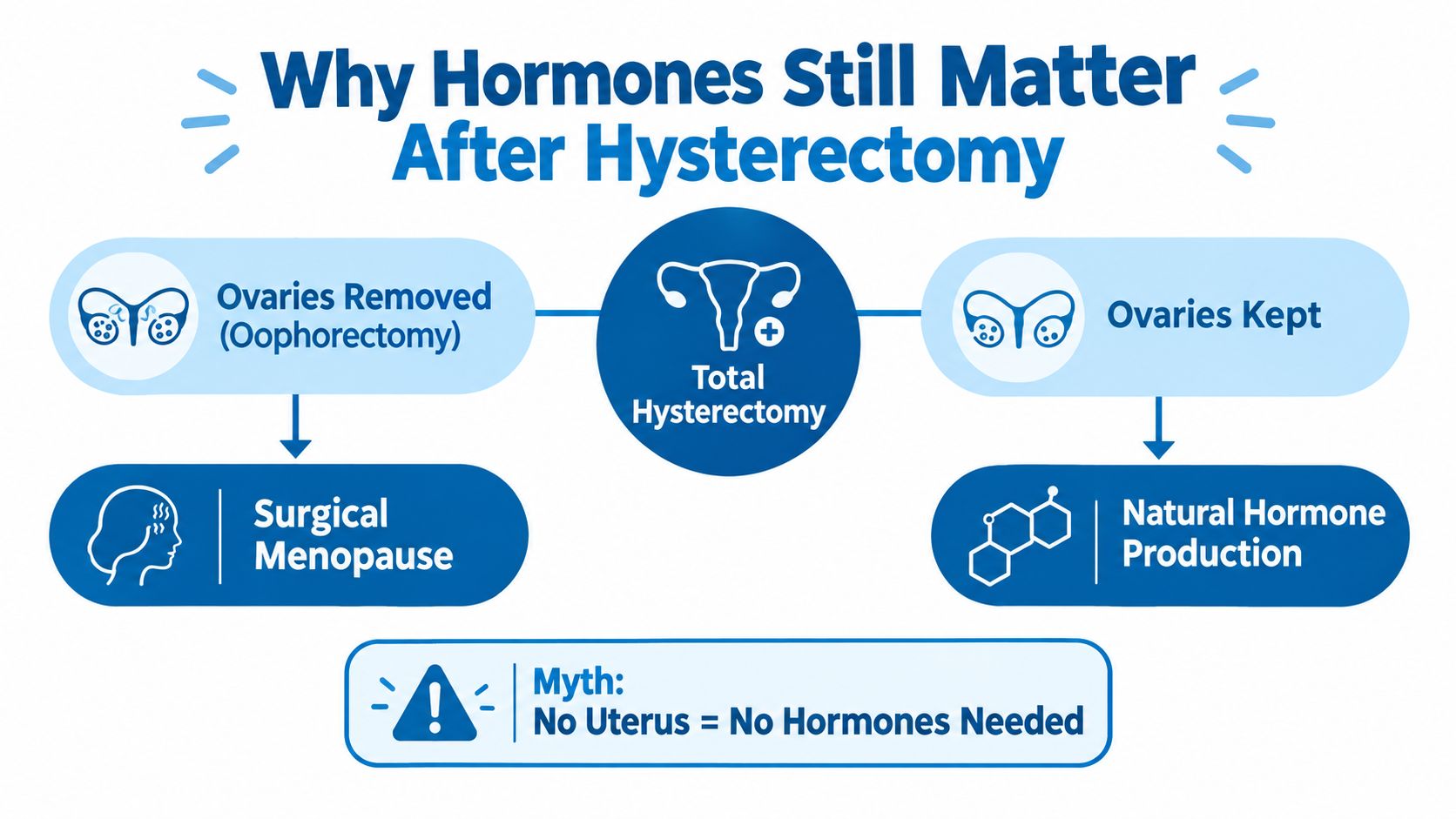
Hormonal shifts can affect fat distribution, energy, sleep, muscle mass, and motivation. Menopause can change where weight is stored. Andropause can come with lower energy and reduced lean mass. Thyroid dysfunction can complicate progress and make patients feel like every effort costs more than it should.
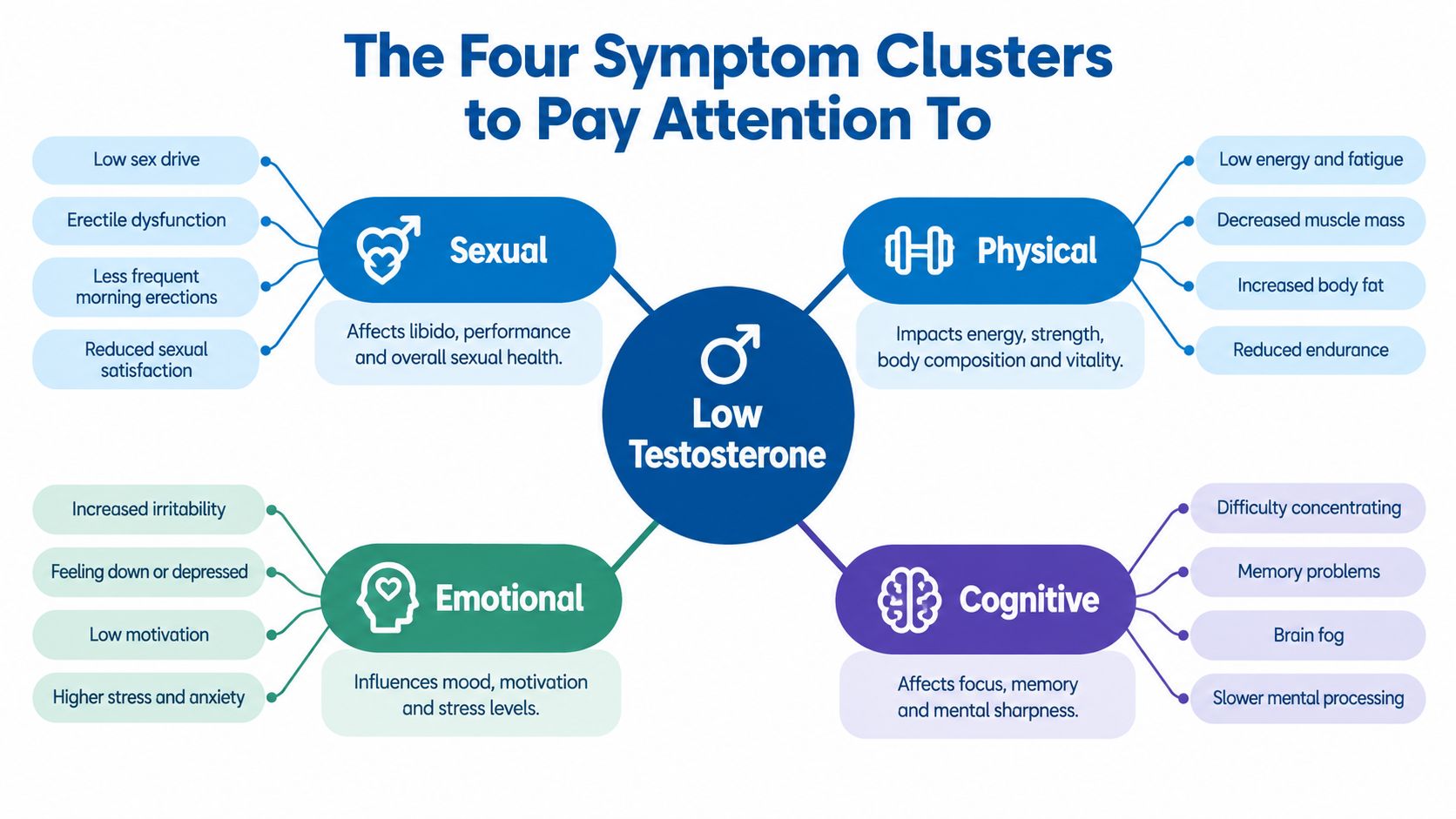
That doesn't mean every patient with weight gain needs hormone treatment. It means hormonal health deserves attention during evaluation. If a clinic ignores symptoms like fatigue, sleep disruption, low libido, irregular cycles, or cold intolerance, it may miss a major reason progress has been so difficult.
The best weight-loss plan is often the one that treats appetite, metabolism, and hormone-related barriers at the same time.
For some patients, that means a GLP-1 or dual-agonist medication. For others, it means identifying a hormonal issue first. For many, it's both.
How to Find the Right Clinic in Sugar Land
Choosing a clinic is less about finding the flashiest marketing and more about finding a team that thinks clearly, explains options well, and follows you over time. The right clinic should make you feel informed, not pressured.
What to look for
Start with credentials and process. You want medical oversight, thoughtful screening, and a plan that doesn't sound identical for every patient.
Good signs include:
- Provider-led care: A physician, nurse practitioner, or other qualified clinician is actively involved in evaluation and follow-up.
- Diagnostic thinking: The clinic asks about medications, prior weight changes, symptoms, and related health issues.
- Clear follow-up: You know how often you'll check in, what gets monitored, and what happens if progress stalls.
- Long-term mindset: The clinic talks about maintenance, not just initial loss.
Red flags matter too.
- Miracle language: Be cautious if a clinic promises effortless results or uses dramatic before-and-after messaging as its main selling point.
- One-size-fits-all plans: Not every patient needs the same medication, same meal plan, or same pace.
- Sales pressure: If you can't get straight answers about treatment, safety, or billing, step back.
Essential questions for your consultation
| Category | Question to Ask |
|---|---|
| Provider oversight | Who evaluates me medically, and who manages my treatment if issues come up? |
| Diagnostic process | Do you assess for hormone issues, thyroid concerns, or other medical reasons for weight gain? |
| Treatment options | How do you decide whether medication, nutrition changes, or another approach is best for me? |
| Safety | What side effects do you discuss before starting treatment, and how do you monitor them? |
| Follow-up | How often are follow-up visits scheduled, and what happens if I'm not responding well? |
| Personalization | How do you adapt the plan if I have menopause symptoms, low energy, or chronic disease? |
| Maintenance | What does long-term support look like after the initial weight-loss phase? |
| Costs | What is included in the program fee, and what expenses are separate? |
A simple way to compare clinics
After each consultation, write down the answer to one question: Did this clinic make my case feel individualized?
That answer usually tells you a lot. If the conversation centered on your health history, symptoms, goals, and barriers, that's promising. If it felt scripted, rushed, or sales-driven, keep looking.
If you're comparing across regions or trying to understand where a clinic operates, a practical starting point is reviewing clinic locations and access options.
Your Patient Journey From Consultation to Maintenance
Starting treatment feels less intimidating when you know what the path usually looks like. Most patients don't walk in, get one instruction, and suddenly have everything solved. The process is gradual and built in phases.

What the first phase often looks like
The first visit usually focuses on your story. You talk about when the weight changed, what you've tried, what symptoms came with it, and what success would mean to you. For one person, success may be fewer cravings. For another, it's improved energy and better blood sugar control.
Testing and review may follow. A provider may look at labs, medications, symptoms, and risk factors before finalizing the plan.
Houston Methodist's Sugar Land program describes a three-phase model that starts with a medically supervised very-low-calorie diet, then transitions to a personalized maintenance meal plan, with weekly check-ins and group sessions in its StepLITE program, as described by Houston Methodist Sugar Land. The exact structure varies by clinic, but the larger lesson is important. Effective care usually has an active treatment phase and a maintenance phase.
The middle of the journey
Routines are put into practice. You may be learning how to eat with less hunger, adjusting to a medication, rebuilding consistency with movement, or figuring out what to do during travel, social events, and stressful weeks.
Patients often need reassurance here. Early progress can be encouraging, but treatment still requires attention and adaptation.
Stay focused on adherence, not perfection. One difficult week doesn't erase a good plan.
This is also when communication matters. If nausea, fatigue, appetite changes, or emotional frustration show up, the clinic should help you respond instead of leaving you to guess.
Maintenance is not the “after” part
Many people think maintenance starts when the hard work is over. In reality, maintenance is where long-term success is protected.
The goal is to preserve the gains you've made with habits, meal structure, accountability, and ongoing medical decision-making when needed. Some patients stay on medication. Some taper. Some focus more on hormone balance, sleep, strength training, or chronic disease management. A thoughtful clinic helps you adjust rather than disappear after the initial phase.
If you want that kind of continuity, ask whether the program includes ongoing medication management support instead of only front-end treatment.
Understanding Costs and Taking the Next Step
Cost is one of the biggest reasons people delay care. That's understandable. Medical weight loss may involve consultation fees, follow-up visits, lab work, and medication costs, and not every service is covered the way patients expect. Because pricing differs so much by clinic, the smartest approach is to ask for a full breakdown in writing before you start.
A cheaper program isn't always a better value if it cuts out evaluation, follow-up, or safety monitoring. On the other hand, a higher price doesn't automatically mean better care. What matters is whether you're paying for real medical oversight, a personalized plan, and support that continues after the first burst of motivation fades.
If you're building healthier movement habits alongside treatment, simple tools can help. For people who prefer short, accessible cardio sessions at home, this guide to find your weight loss jump rope offers one practical way to think about equipment choices.
You don't need to decide everything today. You only need to take one clear step. Ask questions. Compare clinics. Look for medical judgment, not marketing.
This content is for informational purposes only and doesn't constitute medical advice, diagnosis, or treatment. Personal medical decisions should be made with a qualified healthcare professional who can evaluate your history, symptoms, and goals.
If you're ready to explore a more personalized path, Pause Medical offers consultation-based care focused on hormone health, medical weight loss, and ongoing provider support. Schedule a visit to discuss your symptoms, review your options, and build a plan that fits your body and your life.